Home › Vegetables › Start a vegetable garden
Vegetables
How to start a vegetable garden: a beginner's guide
Everything a first vegetable bed needs, in the order you need it: where to put it, how to prepare the soil, what to sow, and how to look after it through to harvest. It goes by soil, frost and weather, not by month, so it works wherever you garden.
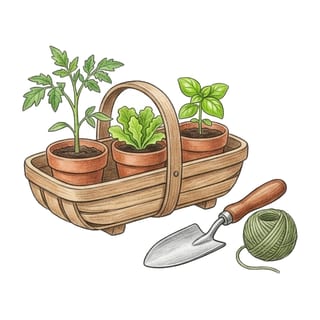
Start small and plan
- Grow what you like to eat, and what costs a lot to buy or is hard to find fresh.
- Start small. One bed about 1.2 × 2.4 m (4 × 8 ft) is plenty for a first season. Add more once you know how much time it takes.
- Good first crops are quick and forgiving: lettuce, rocket, radishes, bush beans, zucchini, silverbeet and cherry tomatoes.
- A vegetable bed needs a few minutes most days: a check for water, a look for pests, and picking.
- No garden? Many vegetables grow well in large pots of potting mix, not garden soil. Pots dry out faster and need more water and feeding.
- Keep notes: what you planted, where and when, and how it went. Next year's plan depends on them.
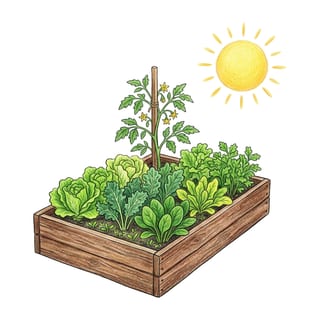
Pick a sunny spot
- Most vegetables need at least 6 hours of direct sun a day, and 8 is better. Fruiting crops such as tomatoes, pumpkins, sweet corn and beans need the most.
- Leafy greens and many herbs cope with part shade: about 3–4 hours of direct sun. Peas, broad beans and quick roots such as radishes and beetroot manage in part shade too, but do better with 5–6 hours.
- Keep away from trees and big shrubs. Their roots take the bed's water and food, and their shade grows every year.
- Shelter from strong wind helps. Wind dries plants out and knocks tall ones over.
- Put it near a tap. A bed that is easy to water gets watered.
- Level ground is easiest. On a slope, build terraces or raised beds.
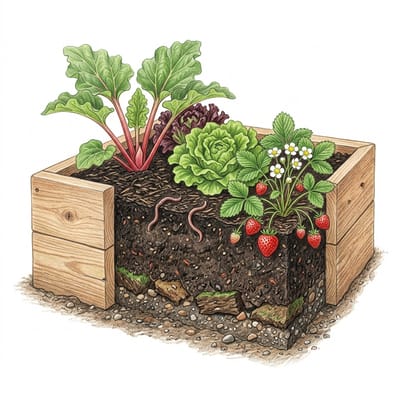
Beds and layout
- Make beds narrow enough to reach the middle from either side, about 1.2 m (4 ft) across, so you never step on the soil. Feet pack it down: see compacted soil.
- Leave paths at least 45 cm (18 in) wide, room for a wheelbarrow.
- Raised beds drain well and warm up early in the season. 30 cm (12 in) of good soil suits salads and strawberries. Most crops do better with more, or with loosened ground underneath. See raised bed soil.
- Put tall crops on the shady side of the bed, the side away from the midday sun, so they don't shade the short ones: the south side in the southern hemisphere, the north side in the northern. Climbing beans, peas and tall tomatoes go there, in one line along a trellis or stakes.
- Low crops such as lettuce, carrots, onions and strawberries go on the sunny side.
- Sprawling crops such as pumpkins, zucchini, melons and cucumbers go at an end or an edge, where they can trail out over the side.
- Grow sweet corn in a block, at least three rows of three, not one long row. A bigger block is better. The wind carries its pollen from plant to plant.
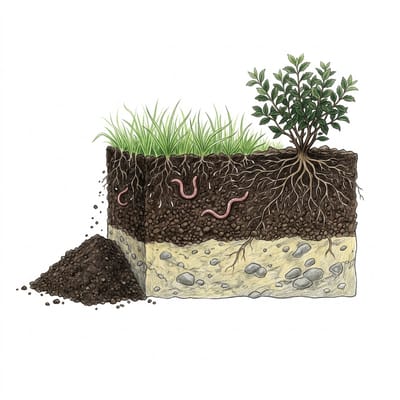
Soil and preparing it
- Vegetables want deep, crumbly soil that drains well but holds moisture, with plenty of organic matter.
- Most grow best in slightly acid to neutral soil, pH 6–7. A cheap test kit tells you where yours is. See soil pH and soil testing.
- Near old buildings or busy roads, have the soil tested for lead before you grow food in it.
- To dig a new bed: clear the weeds and grass, fork the soil over, take out stones and old roots, and dig in about 5 cm (2 in) of compost.
- Or don't dig: lay cardboard over grass or weeds, wet it, and cover it with 5–10 cm (2–4 in) of compost. Plant into the compost.
- On heavy clay soil, add compost and raise the beds if water sits after rain (see waterlogged soil). On sandy soil, add compost and mulch to hold water and food.
- Use well-rotted compost or aged manure. Fresh manure can burn seedlings, and root crops such as carrots fork in freshly manured soil.
- Spread a little more compost each time you plant. Then rake the surface fine and level before you sow.
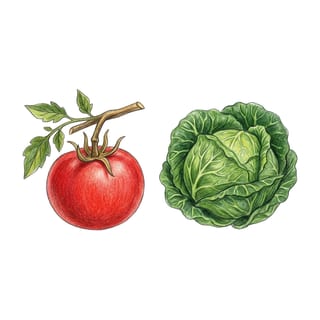
Warm-season and cool-season crops
Every vegetable is one or the other, and that decides when it goes in.
Cool-season crops
Grown in the cool part of the year. Most take light frost and many take hard frost, but heat makes many of them run to seed. Most come up once the soil is about 5–10°C (40–50°F).
PeasBroad beansCabbageBroccoliCauliflowerKaleLettuceSpinachSilverbeetCarrotsBeetrootParsnipsRadishesOnionsLeeksGarlicCorianderParsley
Warm-season crops
Grown in the warm months, between the last frost and the first. Frost kills them. Most need the soil at 16°C (60°F) or more. Beans and sweet corn start a little cooler, about 12–13°C (54–55°F); melons, eggplant and okra want 18–20°C (64–68°F).
TomatoesCapsicumsChilliesEggplantsCucumbersZucchiniPumpkinsRockmelonsWatermelonsSweet cornBush beansClimbing beansOkraBasilSweet potatoes
Potatoes sit in between. They like cool weather, but frost kills the leaves. Their shoots take weeks to come up, so they are usually planted a few weeks before the last frost.
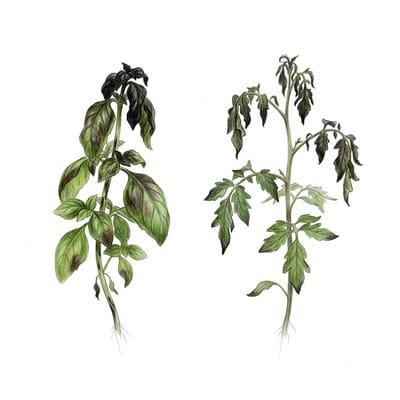
Frost
- Your last frost is the usual date the last frost of the cold season comes. Your first frost is when they start again. The warm-season crops' growing time is the stretch in between.
- Ask local gardeners or your weather service for your dates. The What to plant now pages list this month's sowings and frost dates for a number of cities.
- Tender crops go out only after the last frost. That date is an average, so watch the forecast for a while after it, and keep garden fleece (frost cloth) or an old sheet handy for a cold night.
- A heavy garden fleece laid over plants keeps off about 2°C (4°F) of frost; thin fleece less. Two layers keep off more.
- Hardy crops can go out before the last frost, once hardened off. A long hard freeze can still hurt young plants.
- Before the first frost, pick what the tender crops still carry. Full-sized green tomatoes ripen indoors.
- Frost hits hardest in low spots, on clear, still nights. See cold damage.
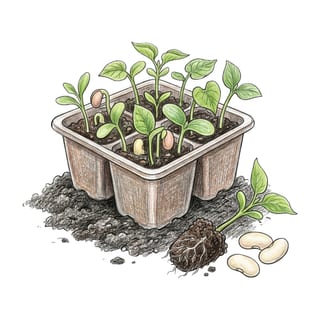
Sow or transplant?
- Some crops are sown straight into the bed. Root crops such as carrots, parsnips and radishes do best this way: moving them makes the roots fork. Peas and beans are usually sown straight in too.
- Slow or tender crops are started in trays or small pots and planted out as seedlings: tomatoes, capsicum, chillies, eggplant, cabbages, broccoli, cauliflower, onions, leeks and celery. They get a head start while it is still too cold outside.
- Buying seedlings is the easy way to start. Choose short, sturdy ones whose roots don't circle the bottom of the pot.
- How deep to sow: follow the packet. If it doesn't say, sow about two to three times as deep as the seed is wide. Fine seed goes barely under the surface.
- Water the bottom of the drill before you sow, then cover the seed and water gently. Keep the soil moist until the seedlings are up.
- Thin seedlings while they are small, to the spacing on the packet. Crowded seedlings grow slowly and catch diseases such as damping off.
- Harden off seedlings raised indoors over a week or two, longer if they were raised somewhere warm: outside by day, in at night, then out all the time.
- Plant seedlings on a cloudy, calm day or late in the afternoon. Firm them in and water them well.
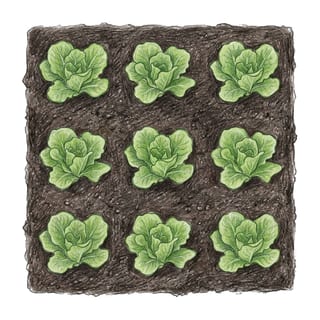
Spacing
- A seed packet gives two distances: between plants in a row, and between rows. The row gap leaves room to walk and hoe.
- In a bed you never walk on, set plants about the in-row distance apart each way, in a grid or staggered rows. Small crops sown in lines, such as carrots and radishes, still go in short rows across the bed.
- Space for the full-grown plant, not the seedling. A small zucchini seedling becomes a plant about 1 m (3 ft) across.
- Crowding gives a smaller harvest, not a bigger one. Plants fight for water, food and light, and damp, still air brings disease.
- Grow up to save room: climbing beans, peas, cucumbers and tall tomatoes on a trellis or stakes.
- Every vegetable's own page gives its spacing: see all vegetables.
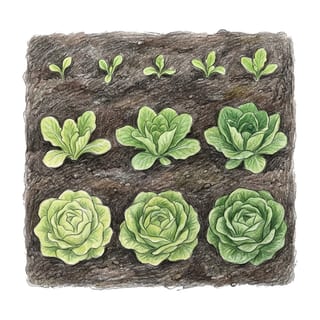
Succession sowing
- Quick crops sown all at once are ready all at once, then gone. Sow a short row every two weeks or so instead, for a steady supply.
- It suits lettuce, rocket, radishes, spring onions, spinach, coriander and bush beans. Rocket, coriander and spinach run to seed quickly, so little and often suits them best.
- Sow the next batch once the last one has a few true leaves. Sow more often in warm weather and less often in cool.
- Long crops don't need it: tomatoes, capsicum and eggplant crop for months, and pumpkins, onions and leeks take most of a season to grow.
- When one crop finishes, follow it with another. For example: lettuce as the weather warms, beans for the warm months, then the cabbage family as it cools. Have seedlings ready to go in as soon as the bed is clear.
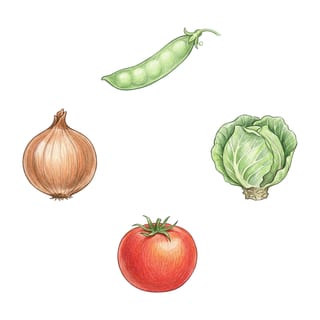
Crop families and rotation
- Vegetables in the same family share the same soil pests and diseases. Grow one family in the same spot year after year and they build up.
- Rotation means moving each family to a different bed each year, so it comes back to the same spot only every third or fourth year.
- A simple four-bed plan: peas and beans, then the cabbage family, then the tomato family, then onions and root crops, and round again. Each bed moves one step a year. The cabbage family does well after peas and beans, which leave the soil richer.
- The pumpkin family, lettuce and the others fill gaps wherever they fit, but don't grow them in the same spot every year either.
- Where a long-lasting soil disease strikes, such as club root in the cabbage family or white rot in the onion family, keep that family out of the bed for many years.
- Rotation works against pests and diseases that live in the soil. It does little against those that fly in or blow in on the wind. It still helps, and it costs nothing.
- Soil carried from bed to bed carries soil diseases with it. Knock the soil off tools and boots before moving to another bed.
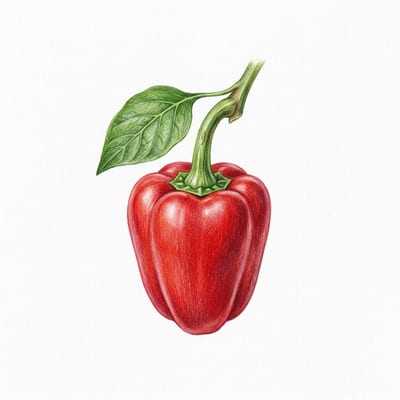 Capsicums
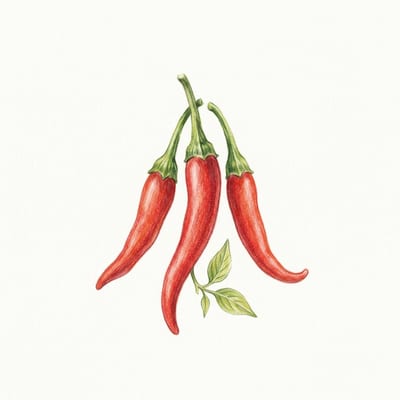 Chillies
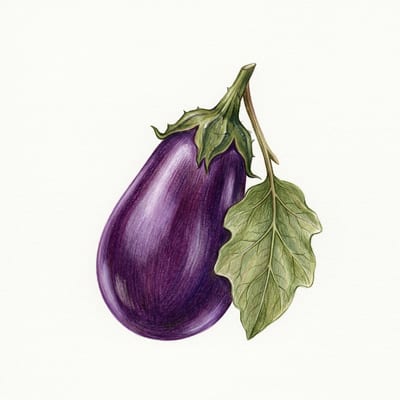 Eggplants
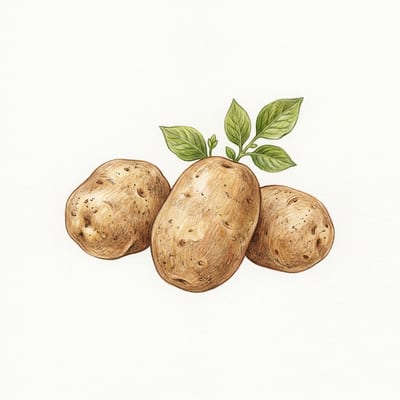 Potatoes
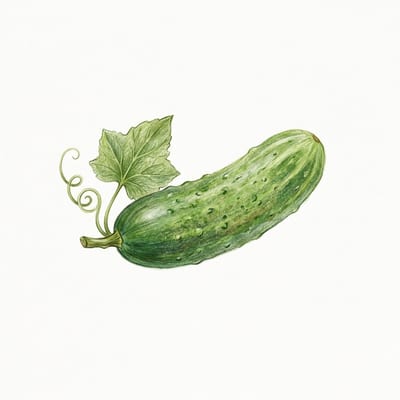 Cucumbers
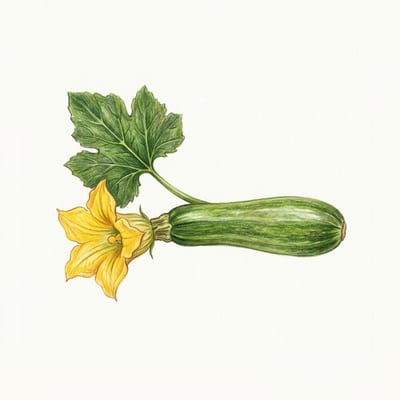 Zucchini
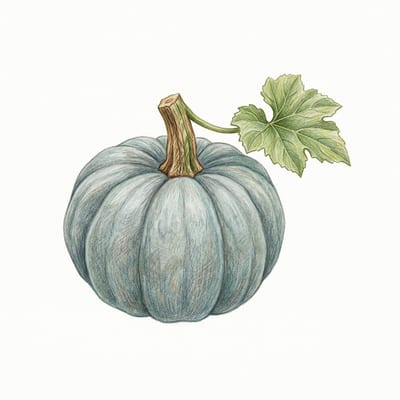 Pumpkins
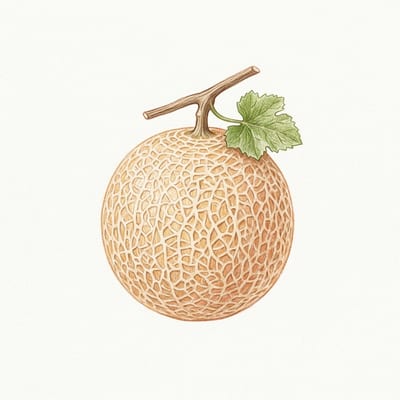 Rockmelons
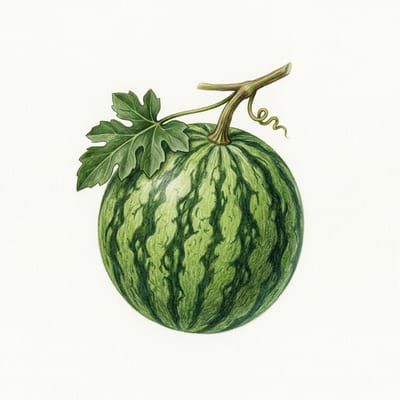 Watermelons
Cabbage family
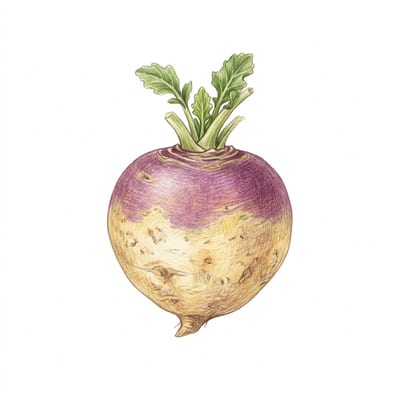
Includes rocket, radishes, turnips and swedes.
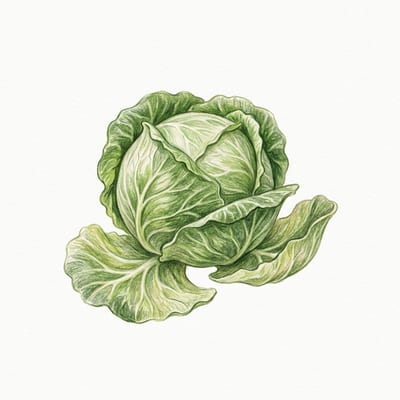 Cabbage
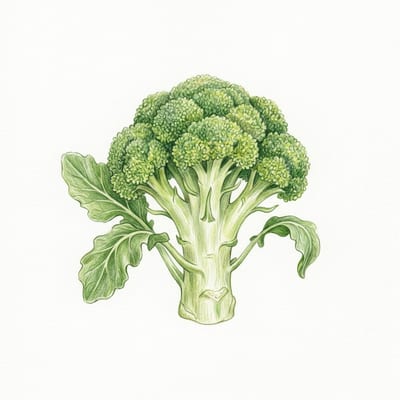 Broccoli
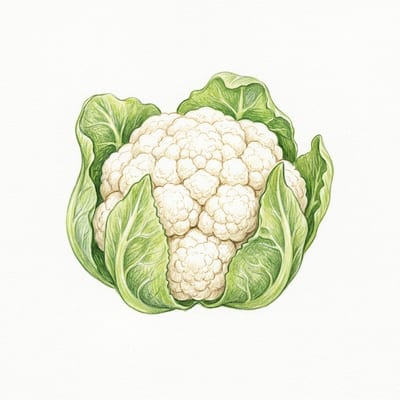 Cauliflower
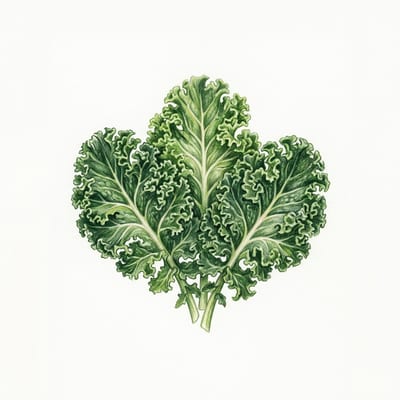 Kale
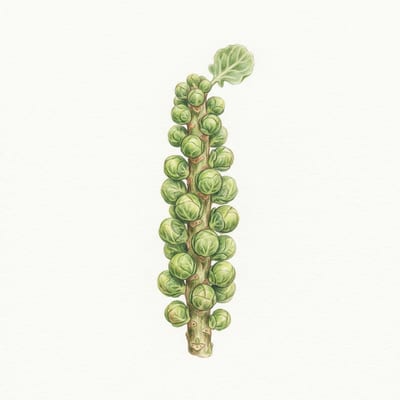 Brussels sprouts
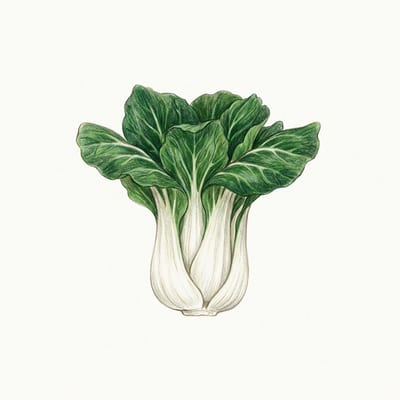 Pak choy
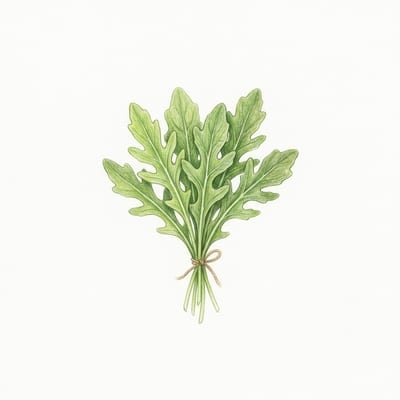 Rocket
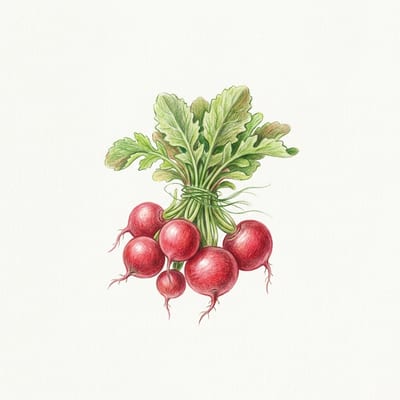 Radishes
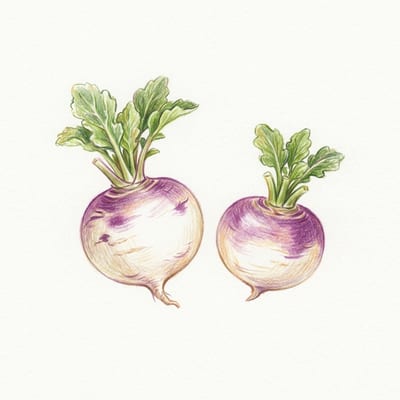 Turnips
 Swedes
 Peas
 Broad beans
 Bush beans
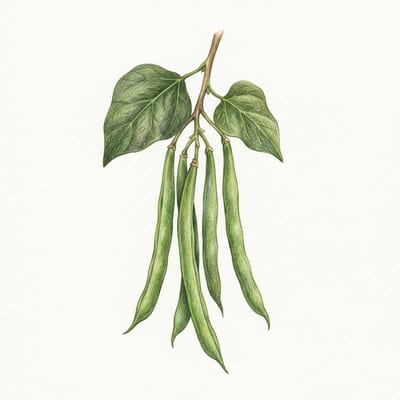 Climbing beans
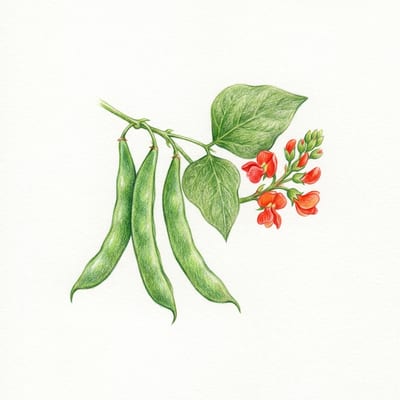 Runner beans
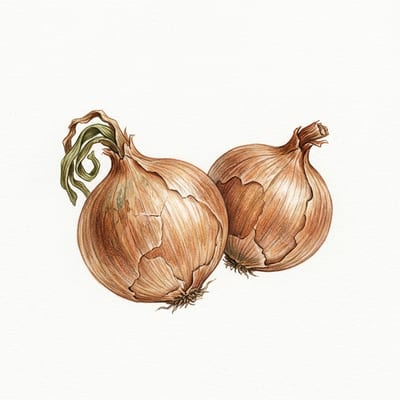 Onions
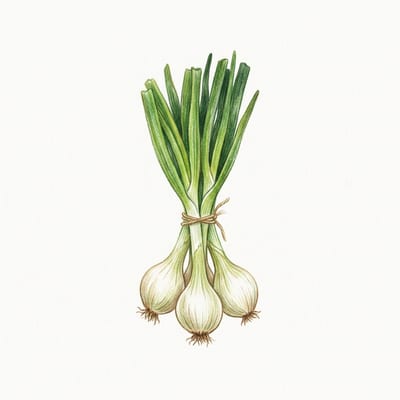 Spring onions
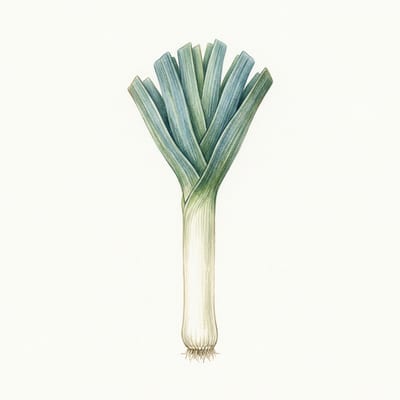 Leeks
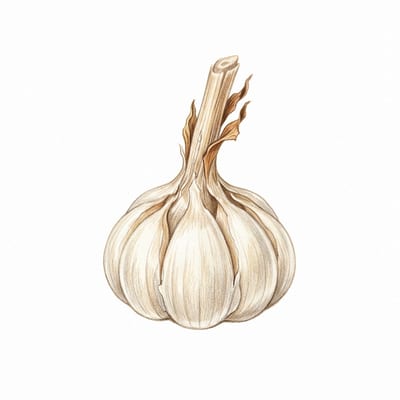 Garlic
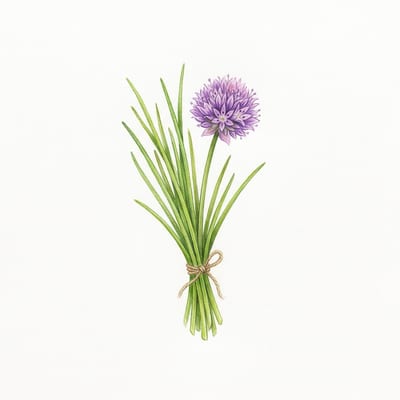 Chives
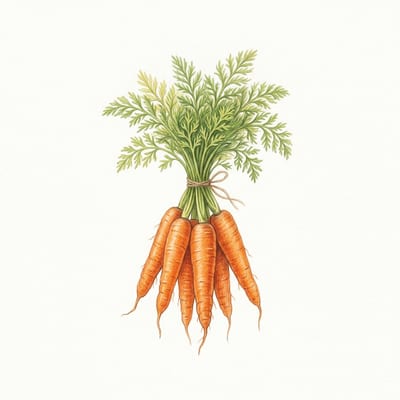 Carrots
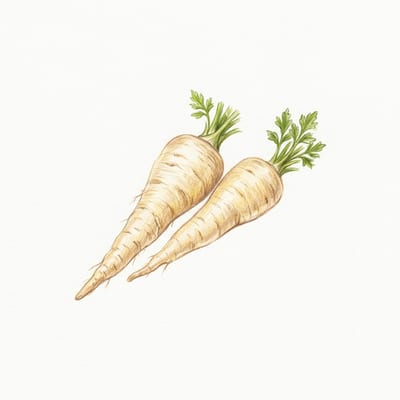 Parsnips
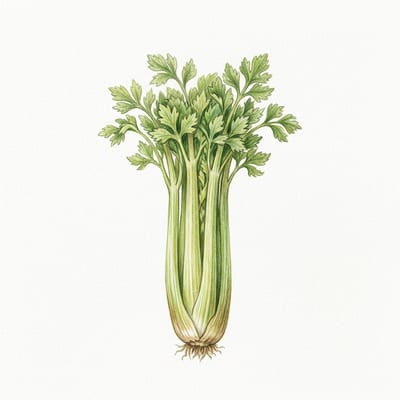 Celery
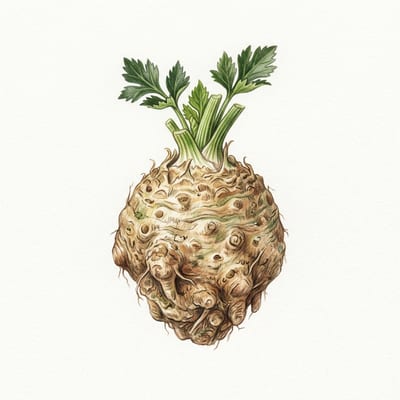 Celeriac
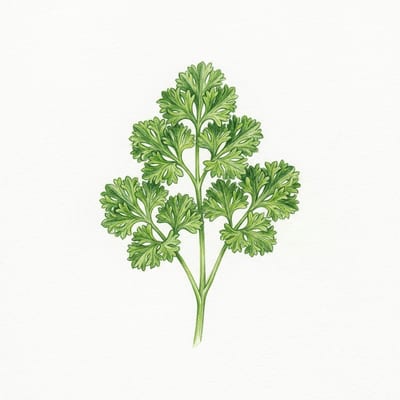 Parsley
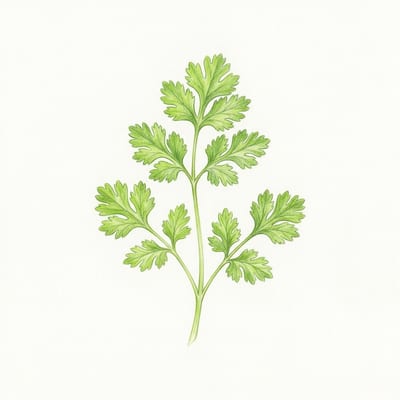 Coriander
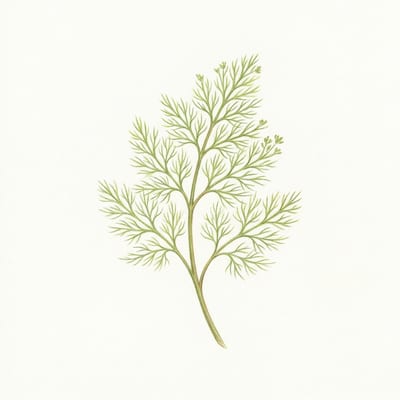 Dill
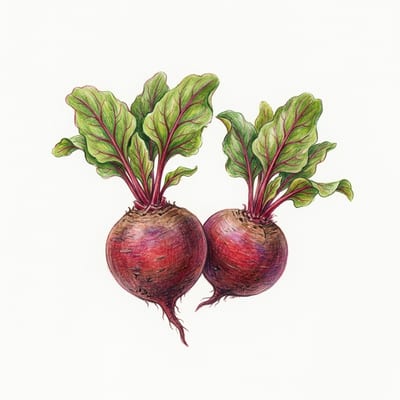 Beetroot
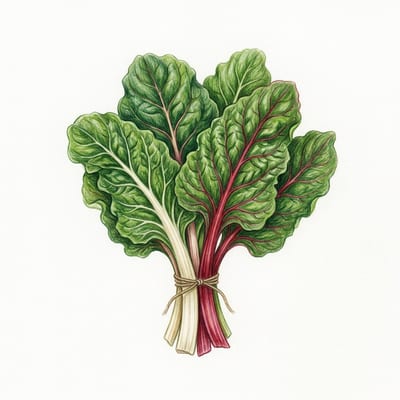 Silverbeet
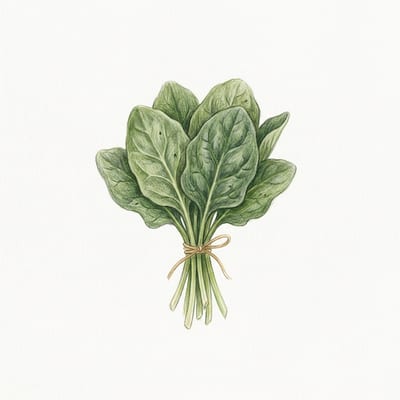 Spinach
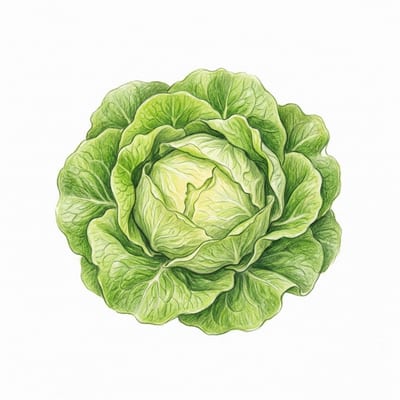 Lettuce
Others
Each from a family of its own here. They fit in anywhere.
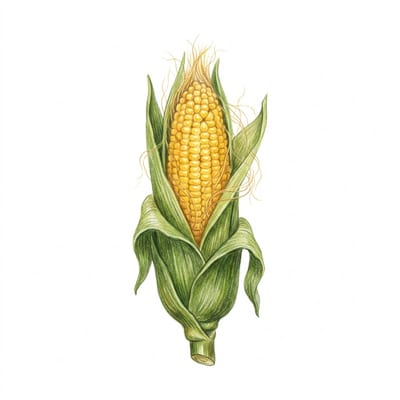 Sweet corn
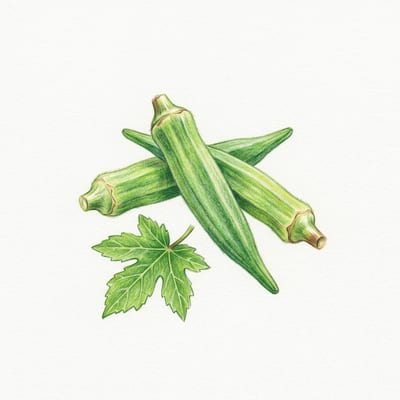 Okra
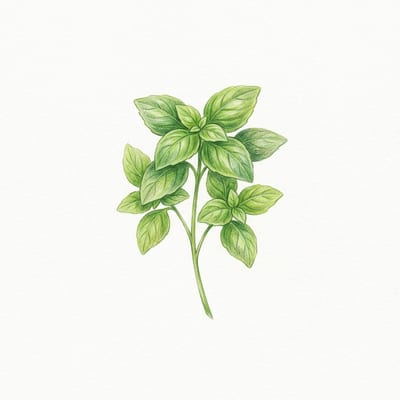 Basil
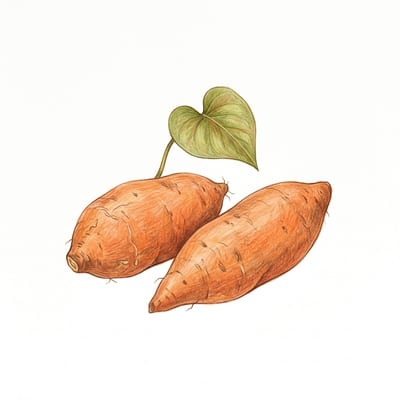 Sweet potatoes
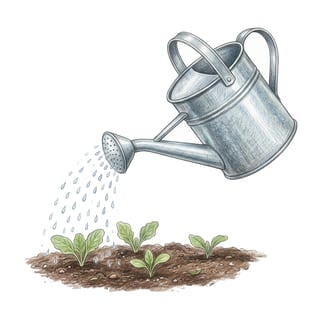
Watering
- Water deeply and less often, not a sprinkle every day. Deep water grows deep roots that cope with dry spells.
- As a rough guide, a bed needs about 2.5 cm (1 in) of water a week, rain included. More in hot, dry or windy weather and on sandy soil.
- Check before you water: dig down with a trowel or a finger. If the soil is dry about 5 cm (2 in) down, water.
- Water the soil at the base of the plants, not the leaves, and in the morning if you can. Drip lines and soaker hoses do this well.
- Seeds and new seedlings need the most care. Keep the surface moist every day in dry weather until they are growing well, usually the first one to three weeks, and longer for slow seed such as parsnips and parsley. Bean and pea seed, seed potatoes and garlic cloves are the exception: water well once at planting, then only if the soil dries out, as they rot in cold, soggy soil.
- The times that matter most: when fruiting crops flower and their fruit swells, when peas and beans flower, when lettuce and cabbages form hearts, and when potatoes form tubers.
- Uneven watering causes trouble: split fruit and roots, blossom end rot, and leafy crops bolting.
- Onions, leeks and garlic need less once they are growing. Pots may need water every day in hot weather.
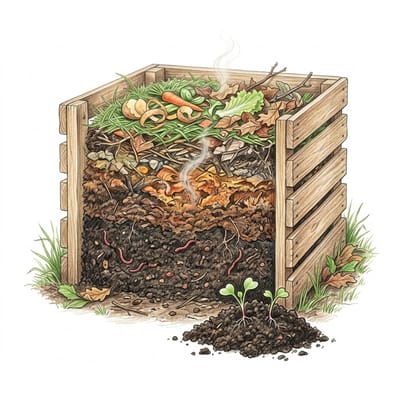
Feeding
- Good soil needs little feeding. Compost dug in, or spread on top each season, gives most vegetables what they need.
- Peas and beans need no feed: they make their own nitrogen at their roots.
- Root crops (carrots, parsnips, beetroot, radishes), onions, garlic, lettuce and most herbs need little or none. Too much nitrogen gives leafy tops at the expense of the roots, and fresh manure makes carrots and parsnips fork.
- Hungry crops do better with some extra: cabbages, broccoli, cauliflower, Brussels sprouts and kale, sweet corn, leafy greens such as silverbeet and spinach, and fruiting crops once they flower and fruit.
- Fruiting crops such as tomatoes, capsicum and pumpkins want a feed high in potash (potassium) from their first flowers or fruit, not more nitrogen. Too much nitrogen grows leaves instead of fruit.
- Too much feed does harm: soft, lush growth that pests love, and fertiliser washed out into waterways.
- Plants in pots need regular feeding, because potting mix runs low on food about six weeks after planting.
- Whatever you use, follow the label for how much and how often.
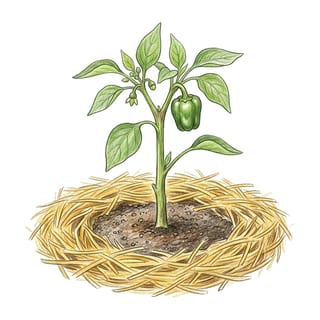
Mulching
- A layer of mulch keeps the soil moist, keeps weeds down and evens out the soil's temperature. Mulches such as straw and compost feed the soil as they rot.
- Spread about 5 cm (2 in) of straw, compost, leaf mould or similar, on moist, weeded soil. Keep it off the stems.
- Wait until seedlings are up and growing well. Over rows of fine seed such as carrots, wait until they have been thinned.
- For warm-season crops such as tomatoes, capsicum and pumpkins, wait until the soil has warmed up. Mulch keeps the soil cool, and these crops grow slowly in cold soil.
- Top it up as it rots down.
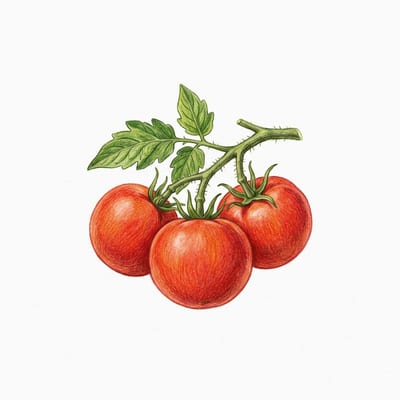
The life of a crop
Every vegetable goes through the same cycle, from seed to compost heap. Knowing where a crop is in it tells you what it needs next.
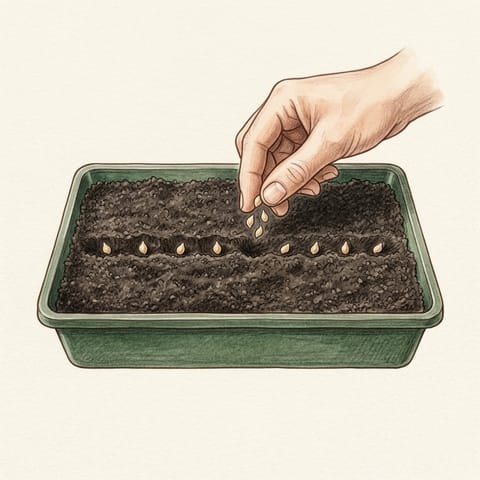 SowSeed in a tray or straight in the bedKeep it moist
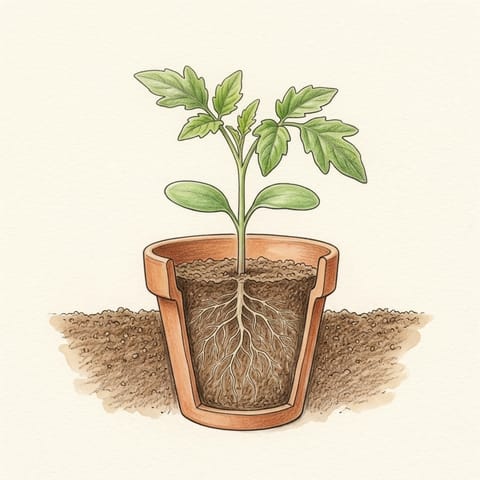 SeedlingThe first true leaves openThin, or move to pots
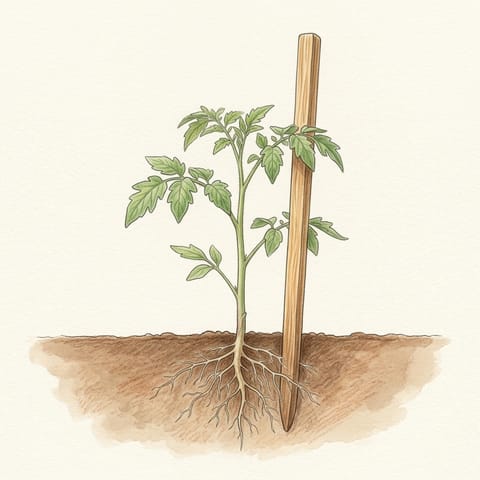 Plant outHardened off, then into the bedWater in well
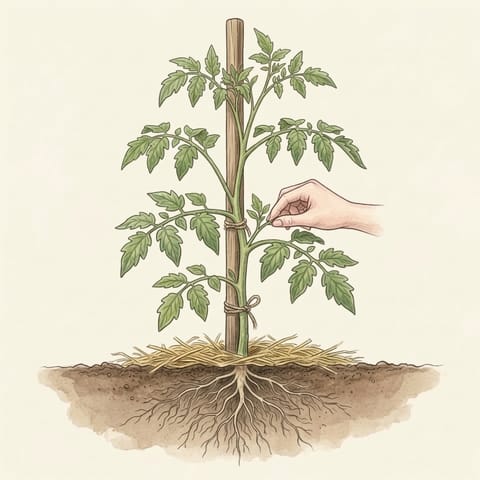 GrowLeaves and roots build upWater, weed, mulch
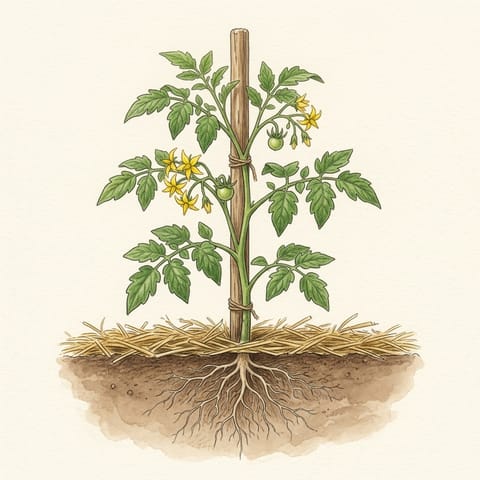 FlowerFruiting crops flowerSteady water now
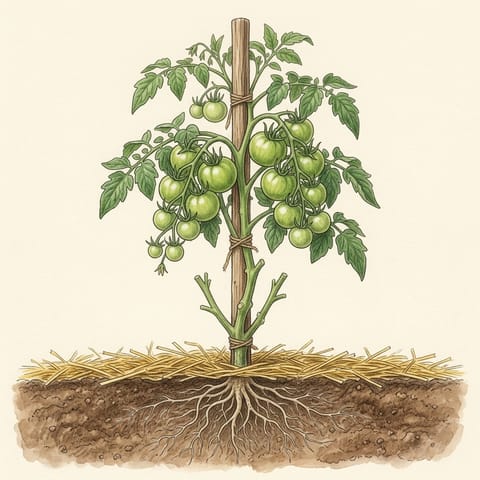 Crop formsFruit, pods, heads or roots swellFeed hungry crops
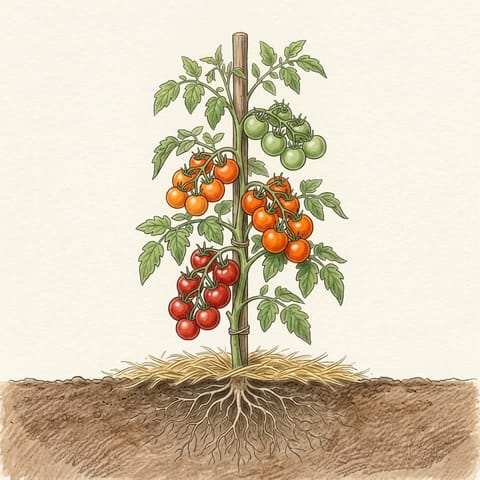 ReadyFull size and colouredCheck every day or two
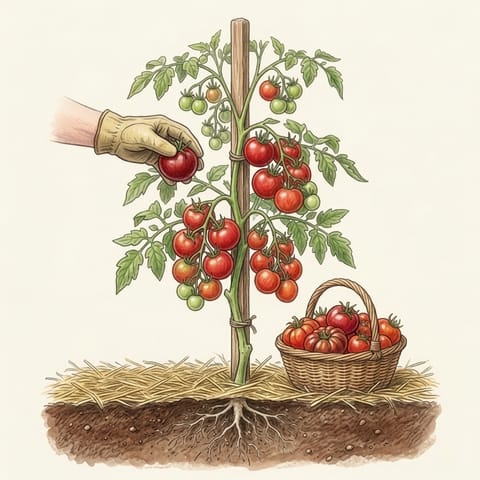 HarvestPick young and oftenThen clear and replant
Shown with a tomato. Leafy crops are picked before they flower; root crops are lifted once the roots are big enough.
- Most vegetables are grown as annuals: sown, picked and cleared in one season. Some, such as carrots, beetroot and onions, would flower in their second year, but are picked long before.
- Each crop has a picking time. Bush beans crop for a few weeks; tomatoes and silverbeet for months.
- Leafy crops are over once they start to flower. The leaves turn bitter: see bolting.
- A crop is finished when it stops producing, runs to seed, or frost or heat ends its season. Then it is time to clear the bed for the next one.
Harvesting
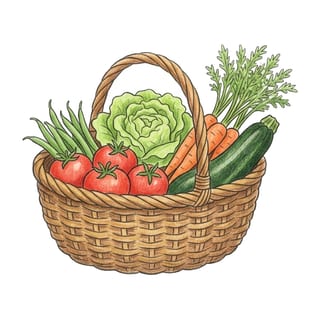
- Pick young and often. Beans, peas, zucchini and cucumbers stop making more once pods or fruit are left to grow old. At their peak, check them every day or two.
- Pick in the cool of the morning, once the plants are dry. Handling wet plants spreads disease.
- Leafy greens such as lettuce, silverbeet and kale can be picked a few outer leaves at a time, and keep growing from the middle.
- Some crops are picked once: a cabbage or cauliflower head, and potatoes, onions and garlic, which are lifted together when they are ready.
- Cut what doesn't come away easily, with a knife or secateurs (pruners). Pulling can break the plant.
- The days on a seed packet are a rough guide only. Go by how the crop looks: each vegetable's own page says how to tell it is ready.
Clearing the bed and starting again
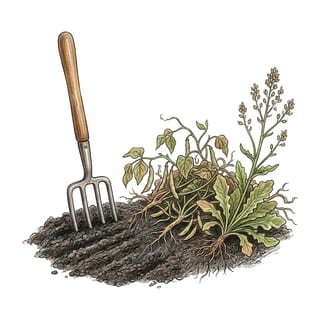
- Pull out finished plants. Compost healthy ones; bin diseased ones rather than composting them.
- Cut peas and beans off at ground level and leave the roots in the soil.
- Pull the weeds before they seed, then spread a little compost.
- Plant the next crop from a different family. Or, if the bed will sit empty for a while, sow a green manure to cover it, and dig it in before it flowers. Wait about a month after digging it in before you sow or plant.
- Don't leave soil bare for long. Rain packs it down and weeds move in.
Perennial vegetables
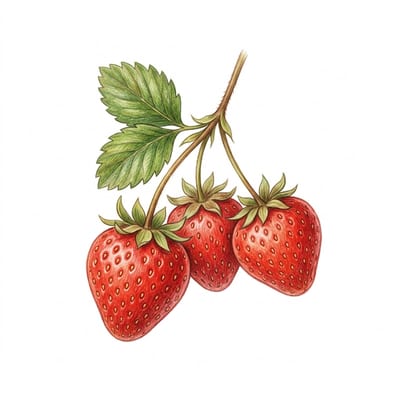
- A few crops come back every year: strawberries, chives, asparagus, rhubarb and globe artichokes.
- Give them a bed or corner of their own, outside the rotation.
- They are never finished at the end of a season. Tidy them, mulch them, and they grow again.
- Some take time to start. Rhubarb is not picked in its first year and only lightly in its second. Asparagus is not cut for the first two years after planting.
- Even perennials wear out. Strawberry plants are replaced every three or four years, with young plants in a new spot.
Pests and problems
- Walk round the bed often. A problem caught early is easy to deal with.
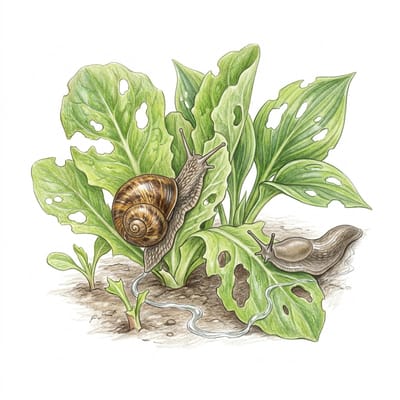
- Expect a few holes in the leaves. Even good gardeners lose some of a crop.
- Healthy plants in good soil, with room and steady water, get fewer problems.
- Fine netting keeps cabbage white caterpillars off the cabbage family and birds off seedlings and fruit.
- Common first problems: slugs and snails, aphids, damping off in seed trays, powdery mildew and bolting.
- Before using any spray, even an organic one, read the label and follow it, and your local rules.
Words you'll see
- Hardy
- Takes frost.
- Tender
- Killed or set back by frost.
- Direct sowing
- Sowing seed where the plant will grow.
- Transplanting
- Moving a seedling from a tray or pot into the bed. Also called planting out.
- Hardening off
- Getting indoor-raised seedlings used to sun, wind and cold before they go out.
- Thinning
- Pulling out extra seedlings so the rest have room.
- Drill
- A shallow line drawn in the soil to sow seed into.
- Bolting
- Running to seed early, set off by heat, long days, a cold spell or drought. Leaves turn bitter, roots stop swelling, and the crop is over.
- Succession sowing
- Sowing small batches a few weeks apart, for a steady supply.
- Cut and come again
- Picking a few leaves at a time, so the plant keeps growing.
- Green manure
- A quick crop grown to cover bare soil, then dug in to feed it.
- Annual
- Grows, crops and dies in one season. Most vegetables are grown this way.
- Perennial
- Comes back year after year.
- Other names
- Capsicum is also called pepper, zucchini courgette, eggplant aubergine, silverbeet chard, rocket arugula, rockmelon cantaloupe, broad beans fava beans, pak choy bok choy, swede rutabaga, and spring onion scallion.
Sources (27, from RHS, Cornell University, Clemson Cooperative Extension and others)
- RHS: Crop rotation · Watering vegetables and fruit · How to sow seeds outdoors · Successional sowing · How to feed plants · Mulch · Green manures · Fleece and crop covers · Hardening off tender plants · How to make a raised bed · How to grow rhubarb · How to grow asparagus · How to grow strawberries
- Cornell University: Sunlight, the key to great vegetables
- Clemson Cooperative Extension: Crop rotation
- Colorado State University Extension, PlantTalk: When to mulch vegetables
- University of Maryland Extension: How to start a vegetable garden · Planning a vegetable garden · Vegetable succession and companion planting
- University of Minnesota Extension: Watering the vegetable garden
- Colorado State University Extension: Block style layout in raised bed vegetable gardens
- University of Illinois Extension: Harvesting vegetables
- Gardening Australia: Vegie patch soil preparation · Positioning productive gardens · The vegie guide: crop rotation
- GrowVeg: Succession planting · How to plan a vegetable garden
Facts checked Monday 26 October 2026. General guidance only: local advice comes first.