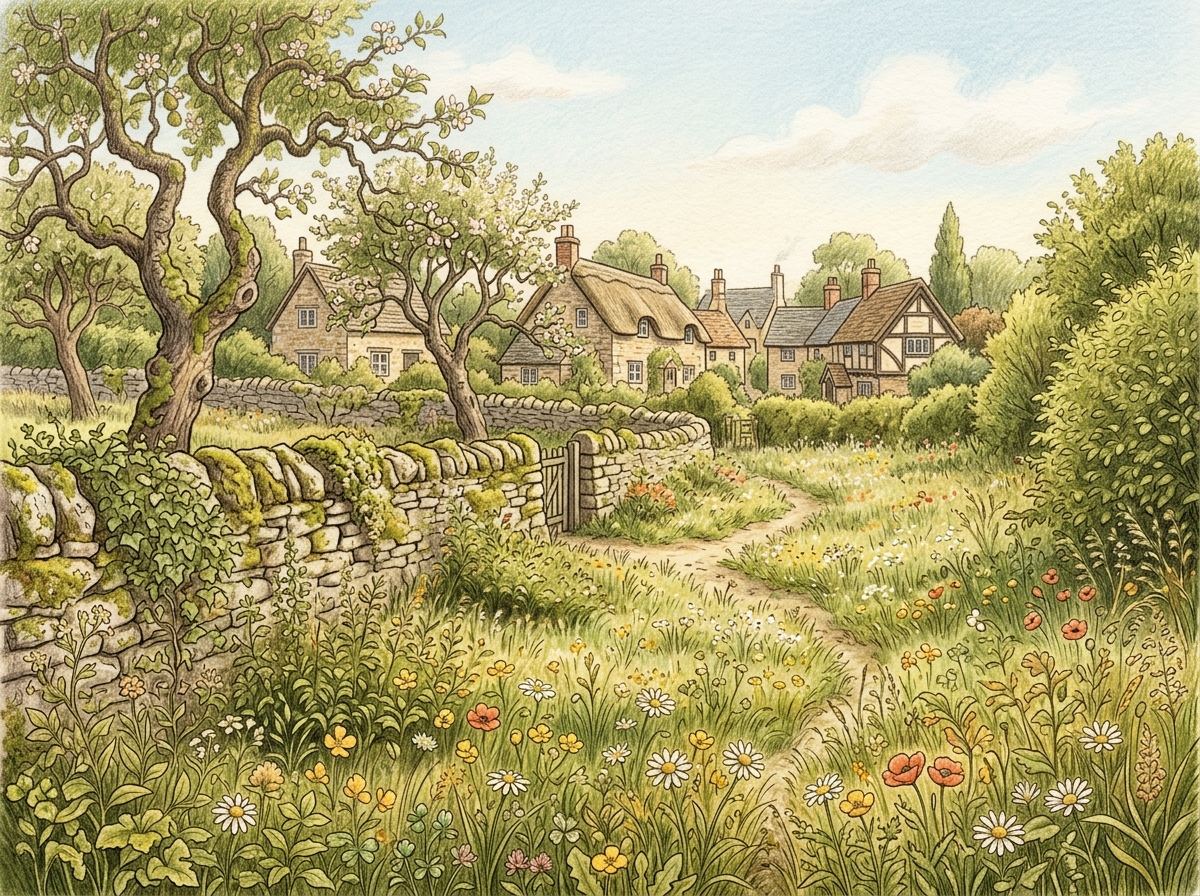
Not a town. Not a farm. Not even somewhere you would have found marked on a map.
It was simply a piece of land.
A meadow at the edge of a small village, surrounded by hedges, old fruit trees and crooked stone walls. In spring it filled with wildflowers. In summer the grass grew high. In winter it disappeared beneath mist and rain.
The locals had an old name for it.
Bozlea.
No one seemed to know exactly where the name had come from. Some said lea came from an old word for meadow or clearing. Others said Boz was the name of the first person who worked the land.
But the oldest gardeners told a different story.
They said Bozlea wasn't named after someone.
It was named after the garden itself.
Because Bozlea remembered.
The gardener who listened
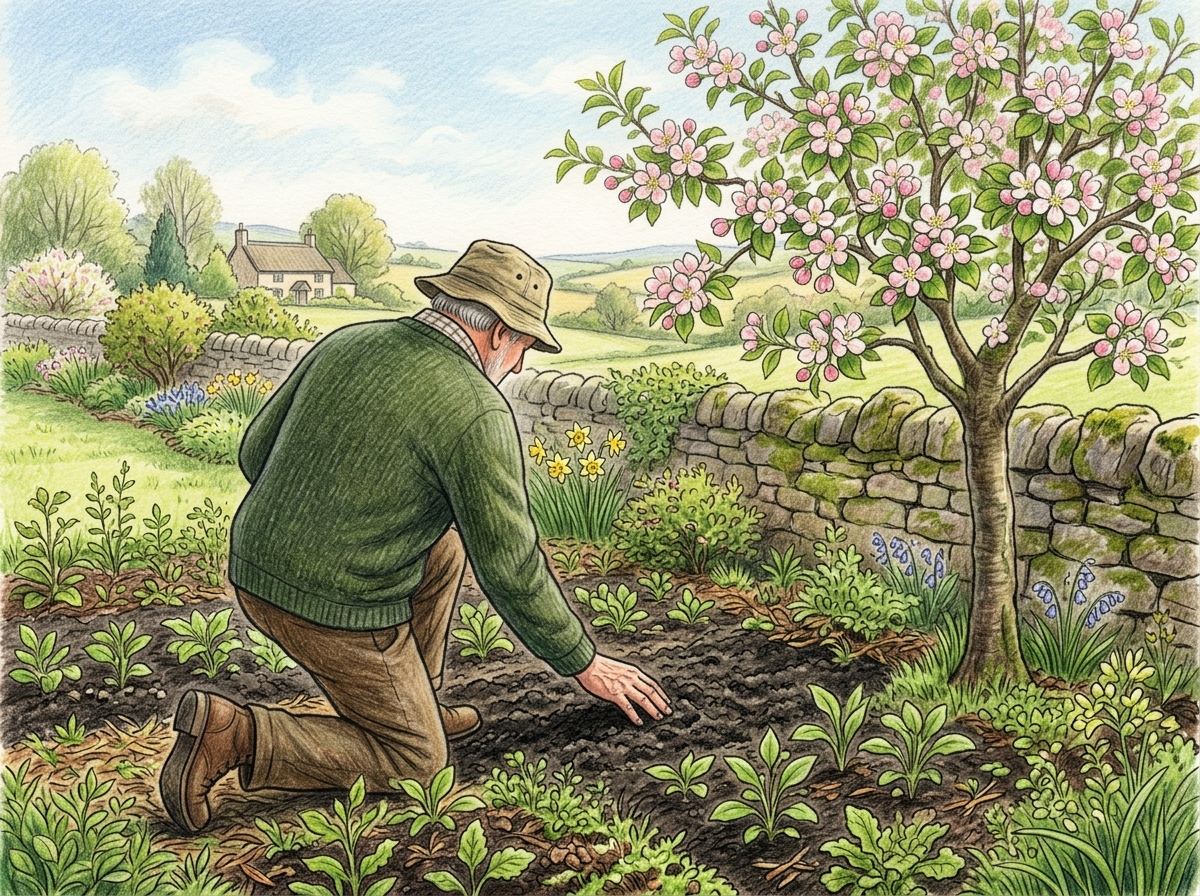
Many years ago, a gardener named Boz looked after the land.
Boz wasn't famous.
He wasn't a botanist, and he hadn't studied plants at a university.
He simply paid attention.
He noticed where frost settled first.
He knew which corner of the meadow stayed wet after heavy rain.
He knew that one apple tree always flowered slightly earlier than the others.
He noticed which plants struggled after a hot summer and which ones seemed to thrive.
When a hedge began losing leaves, Boz remembered what the weather had been like the previous year. When a plant suddenly grew better, he tried to understand why.
He wrote everything down.
Small observations at first.
First frost.
Heavy rain.
Pruned the western hedge.
Moved lavender away from wet ground.
Apple tree flowering early this year.
The notes became notebooks.
The notebooks became shelves.
And over the years, Boz realised something.
Gardening wasn't really about knowing plants. It was about knowing your plants, in your garden, on your piece of land.
A gardening book could tell him what an apple tree needed. But it couldn't tell him about his apple tree. It didn't know the tree stood beside an old stone wall. It didn't know that part of the garden received afternoon sun. It didn't remember the dry summer three years earlier.
Boz did.
The garden had a memory
People from the village began asking Boz for advice.
“What should I plant here?”
“Why is this tree struggling?”
“Should I water today?”
“When should I prune this?”
Boz rarely answered immediately.
Instead, he would walk into their garden. He would touch the soil. Look at the light. Check the leaves. Notice the slope of the ground. Sometimes he would simply stand quietly for a while.
Then he would say:
“Tell me about this place.”
Because Boz believed every garden had its own story. And if you understood the story, the garden usually told you what it needed next.
Over time, people began saying that Boz could somehow hear gardens talking.
Boz would laugh whenever he heard this.
“Gardens don't talk,” he would say.
“People just forget to listen.”
The notebooks disappear
Years passed.
The village grew. The old gardens changed hands. Some disappeared altogether. New houses arrived. New plants were introduced.
And eventually Boz was gone too.
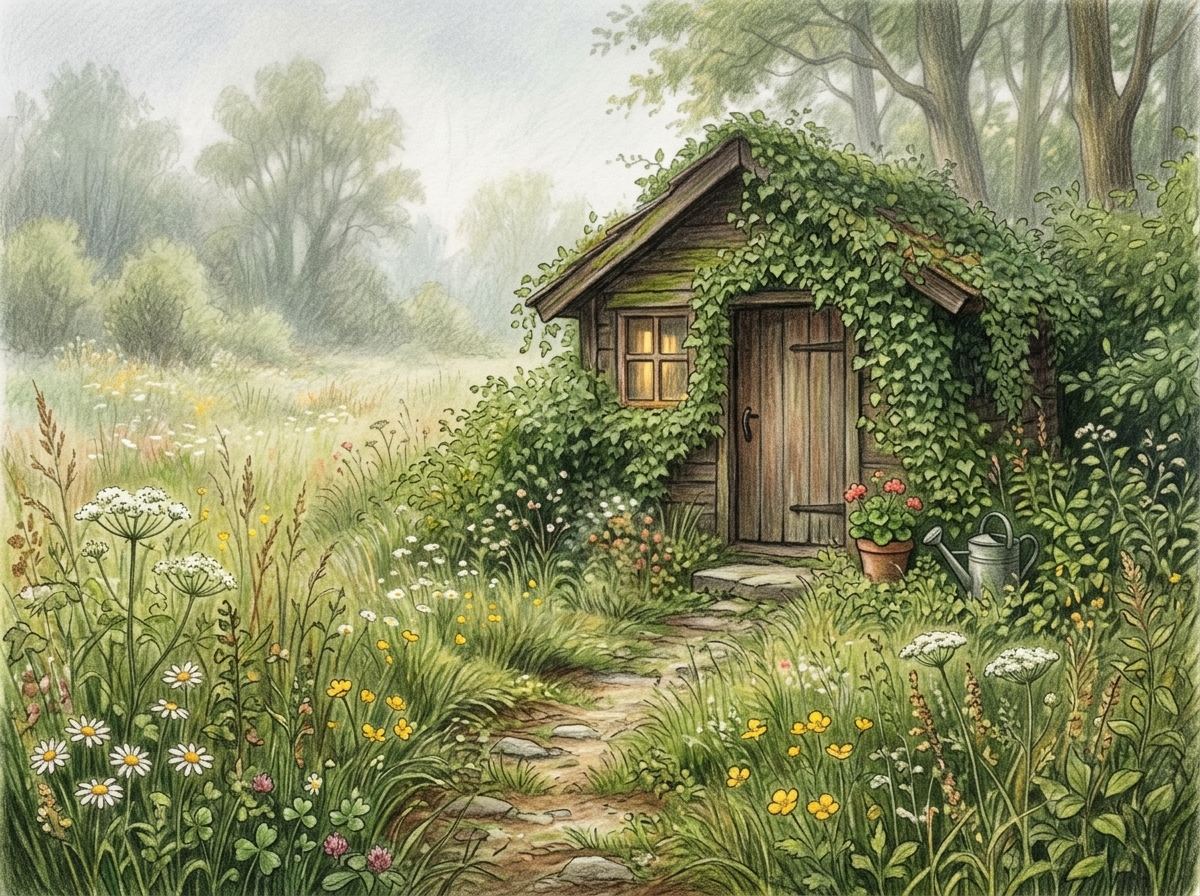
His notebooks were stored away in a small wooden garden shed at the edge of the meadow.
For decades, no one opened them. The shed slowly disappeared behind ivy. The paths grew over. And Bozlea became just another old name that people occasionally saw written on ageing maps.
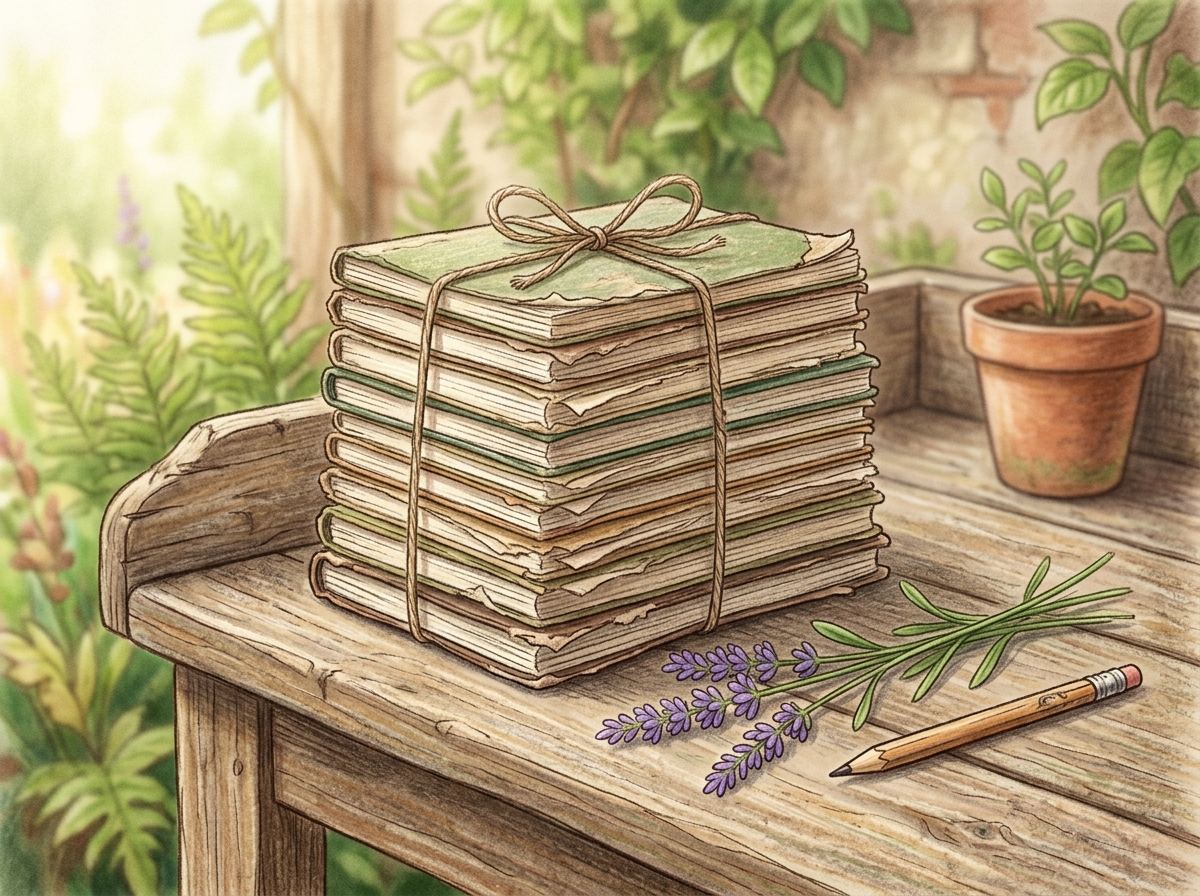
Until one day, the notebooks were found.
Hundreds of them.
Years of weather.
Planting. Pruning.
Failures. Successes.
Sketches of garden beds.
Notes about insects and birds.
Plants that had lived for decades.
Plants that had lasted only weeks.
But whoever discovered the notebooks noticed something unusual.
Boz had never really been recording gardening instructions.
He had been recording relationships.
Plant and soil. Plant and weather. Plant and place.
Season and sunlight. Water and slope. Time and change.
It was a record of a garden learning itself.
A new kind of gardener
Centuries after the word lea had first been used for meadows and clearings, something new appeared — something that could do what Boz had once done with his notebooks.
Remember.
Observe.
Compare.
Learn.
Not just know that a particular species usually needs watering every few days — but know when your plant was last watered. Where it grows. What the weather has been doing. Whether its leaves looked different last month. What happened after it was pruned. Whether another plant nearby had the same problem.
It could begin to build a memory of a garden.
And so the old name returned.
Bozlea.
The garden that knows you back
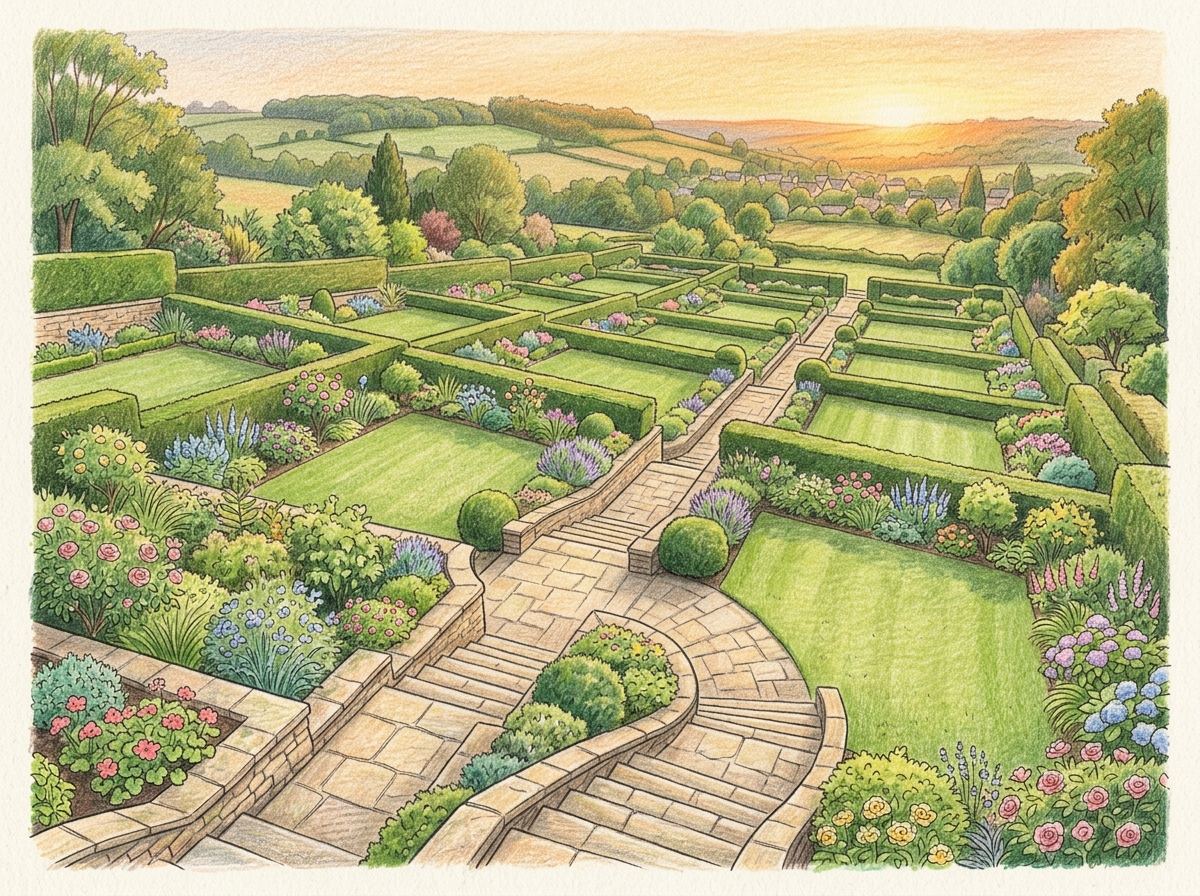
Today, Bozlea is no longer a meadow hidden behind a stone wall.
It can be anywhere.
A balcony with six pots. A suburban backyard. A vegetable patch. A courtyard. Or a sprawling garden with terraces, hedges and nine separate lawns.
You show Bozlea your garden. Its plants. Its lawns. Its different areas. Its problems. Its successes.
And gradually, Bozlea builds a story.
Your story.
A plant isn't simply scanned and forgotten. It becomes something that can be followed over time. The garden isn't treated as a collection of unrelated plants. It becomes a place with history, conditions and patterns.
And when you ask for help, the aim isn't simply to answer:
“What does this kind of plant normally need?”
The better question is:
“What does this plant, in this garden, need now?”
That is the idea at the heart of Bozlea.
Not artificial intelligence replacing the gardener. Artificial intelligence helping the gardener notice more, remember more and understand the land they already care for.
Because the old gardeners may have been right about one thing.
Every garden has a story.
Most of us simply need a little help remembering it.