Home › What to plant › Houston
Houston, Texas · vegetable planting calendar
What to plant now in Houston
This month's sowing list for Houston, what is ready to pick, when to plant the favourites, the planting year at a glance and the local frost dates.
November
26 vegetables to sow or plant now
24 of them are at their best time to start. The last frost is usually around February 9, and frost is unlikely after about March 5.
Quick, easy wins this month: radish, arugula, bok choy, cilantro, beets and lettuce.
Sow or plant in Houston in November
Start seeds indoors
- Cabbage
- Celeriac
- Celery
- Chives
- Kale
- Leek
- Onion
- Parsley
Direct sow
- Arugula
- Beets
- Bok choy
- Chives
- Cilantro
- Dill
- Fava beans
- Kale
- Lettuce
- Parsley
- Parsnip
- Radish
- Rutabaga
- Scallions
- Spinach
- Swiss chard
- Turnip
Transplant
- Broccoli
- Brussels sprouts
- Cabbage
- Chives
- Garlic
- Kale
- Leek
- Onion
- Parsley
- Strawberry
Last month to start: arugula, beets, bok choy, Brussels sprouts, celeriac, cilantro, dill, lettuce and Swiss chard.
Ready to pick in November
- Arugula
- Basil
- Beets
- Bell pepper
- Bok choy
- Broccoli
- Bush beans
- Cabbage
- Cantaloupe
- Carrot
- Cauliflower
- Chives
- Cilantro
- Cucumber
- Dill
- Eggplant
- Hot pepper
- Kale
- Lettuce
- Parsley
- Pole beans
- Radish
- Runner beans
- Scallions
- Sweet corn
- Sweet potato
- Swiss chard
- Tomato
- Turnip
- Watermelon
- Winter squash
- Zucchini
Coming up in December
Nothing new starts in December. This month's list carries on.
When to plant the favourites in Houston
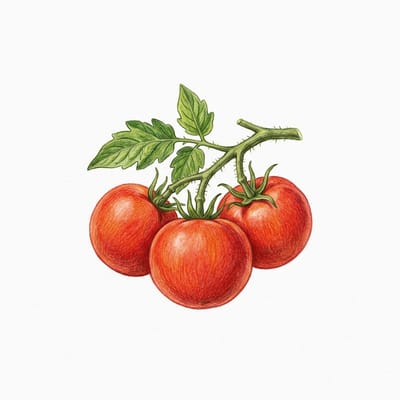
Tomatoes
Start seeds indoors: January to February and June to July.
Transplant: March to April and August to September.
Best time to start: March to April and August.
Pick: May to December.
First pick about 16 weeks after starting.
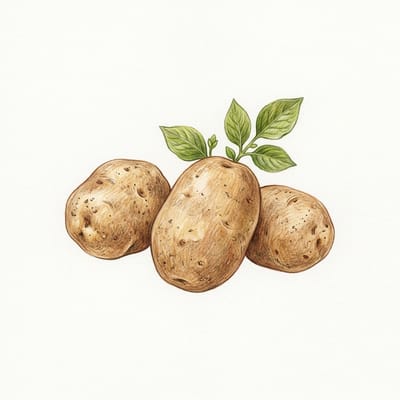
Potatoes
Plant: February to March and October.
Best time to start: February and October.
Pick: April to June and December to January.
First pick about 10 weeks after starting.
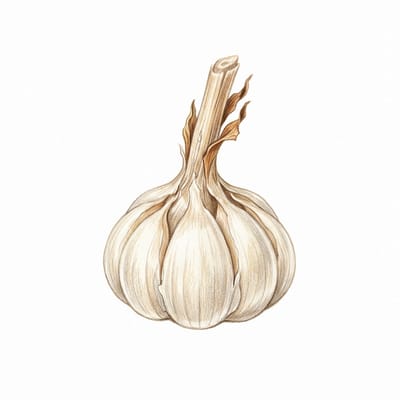
Garlic
Plant: October to December.
Best time to start: October to December.
Pick: March to July.
First pick about 24 weeks after starting.
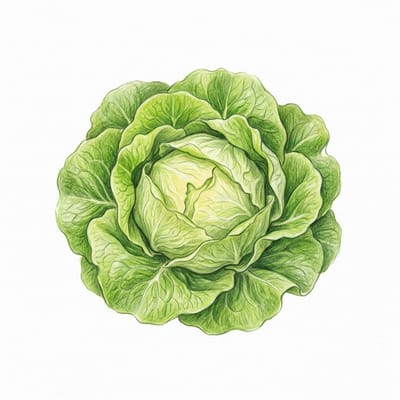
Lettuce
Direct sow: January to March and October to November.
Best time to start: January to March and October to November.
Pick: March to May and November to January.
First pick about 6 weeks after starting.
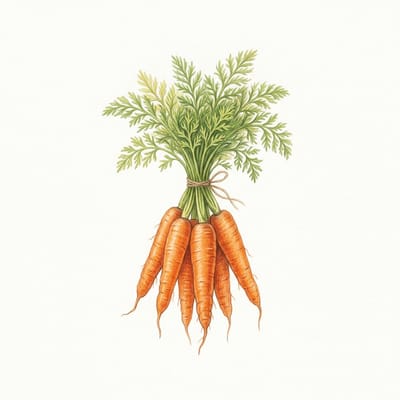
Carrots
Direct sow: January to March and September to October.
Best time to start: January to March and September to October.
Pick: April to May and November to January.
First pick about 7 weeks after starting.
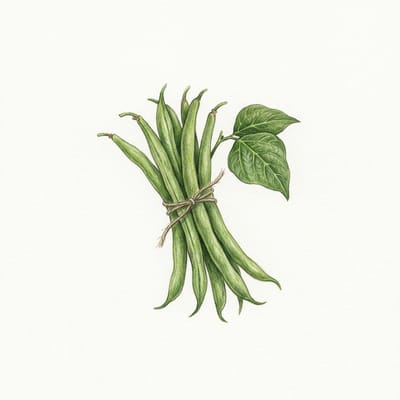
Bush beans
Direct sow: March to April and August to October.
Best time to start: March to April and August to September.
Pick: May to July and September to December.
First pick about 7 weeks after starting.
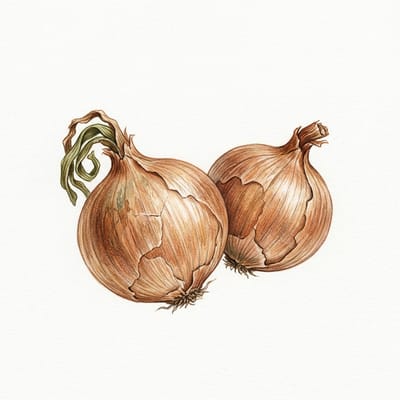
Onions
Start seeds indoors: August to January.
Transplant: October to March.
Best time to start: October to March.
Pick: January to June.
First pick about 22 weeks after starting.
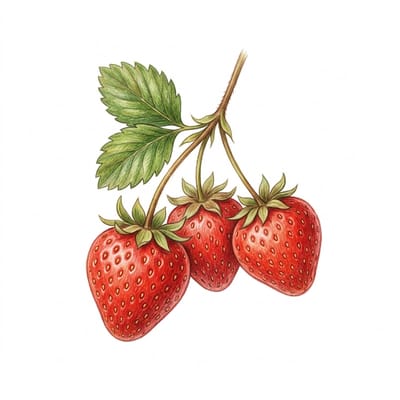
Strawberries
Plant: October to March.
Best time to start: October to March.
Pick: February to September.
First pick about 17 weeks after starting.
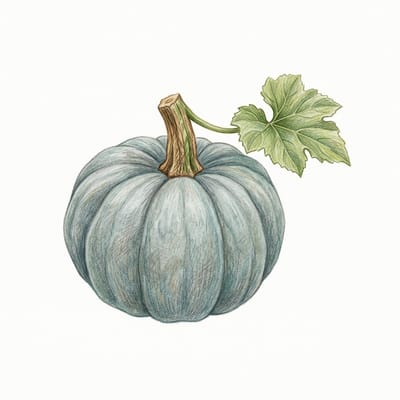
Winter squash
Start seeds indoors: February to August.
Direct sow: March to August.
Transplant: March to September.
Best time to start: March to August.
Pick: June to December.
First pick about 11 weeks after starting.
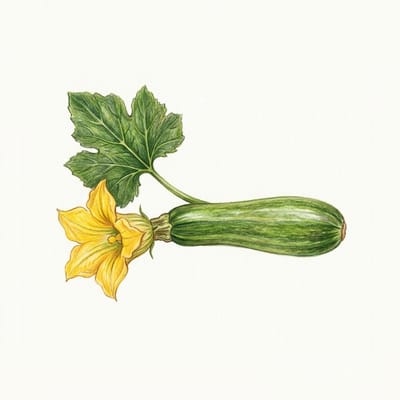
Zucchini
Start seeds indoors: February to September.
Direct sow: March to October.
Transplant: March to October.
Best time to start: March to September.
Pick: April to December.
First pick about 6 weeks after starting.
The planting year in Houston
- Start seeds indoors
- Direct sow
- Transplant
- Pick
- Paler: possible, but not the best time
| Vegetable | N | D | J | F | M | A | M | J | J | A | S | O | First pick |
|---|---|---|---|---|---|---|---|---|---|---|---|---|---|
| Arugula | S | S | S | S | S | about 4 weeks | |||||||
| Basil | T | S | S | S | S | S | S | S | P | about 6 weeks | |||
| Beets | S | S | S | S | S | S | S | about 6 weeks | |||||
| Bell pepper | T | T | P | P | P | P | P | P | P | about 15 weeks | |||
| Bok choy | S | S | S | S | S | S | S | S | S | about 4 weeks | |||
| Broccoli | P | T | P | P | P | T | P | P | about 12 weeks | ||||
| Brussels sprouts | P | T | P | P | about 22 weeks | ||||||||
| Bush beans | S | S | S | S | S | about 7 weeks | |||||||
| Cabbage | P | P | P | P | P | T | P | P | about 14 weeks | ||||
| Cantaloupe | T | S | S | S | S | S | S | P | about 8 weeks | ||||
| Carrot | S | S | S | S | S | about 7 weeks | |||||||
| Cauliflower | T | P | P | about 14 weeks | |||||||||
| Celeriac | T | P | P | about 23 weeks | |||||||||
| Celery | T | T | P | P | P | T | T | P | about 20 weeks | ||||
| Chives | S | S | S | S | S | S | P | T | P | S | about 9 weeks | ||
| Cilantro | S | S | S | S | S | about 5 weeks | |||||||
| Cucumber | T | S | S | S | S | S | S | S | S | about 5 weeks | |||
| Dill | S | S | S | S | S | S | about 5 weeks | ||||||
| Eggplant | T | T | P | P | P | P | P | P | about 16 weeks | ||||
| Fava beans | S | S | about 13 weeks | ||||||||||
| Garlic | P | P | P | about 24 weeks | |||||||||
| Hot pepper | T | T | P | P | P | P | P | P | P | about 17 weeks | |||
| Kale | S | S | S | S | S | P | T | S | S | about 7 weeks | |||
| Leek | P | P | P | P | P | T | T | P | about 20 weeks | ||||
| Lettuce | S | S | S | S | S | about 6 weeks | |||||||
| Okra | S | S | S | S | S | S | about 6 weeks | ||||||
| Onion | P | P | P | P | P | T | T | P | about 22 weeks | ||||
| Parsley | S | S | S | S | S | S | T | S | S | about 9 weeks | |||
| Parsnip | S | S | S | S | about 16 weeks | ||||||||
| Peas | S | S | S | S | about 8 weeks | ||||||||
| Pole beans | S | S | S | S | about 8 weeks | ||||||||
| Potato | P | P | P | about 10 weeks | |||||||||
| Radish | S | S | S | S | S | S | S | S | about 3 weeks | ||||
| Runner beans | S | about 9 weeks | |||||||||||
| Rutabaga | S | S | S | S | about 13 weeks | ||||||||
| Scallions | S | S | S | S | S | S | S | S | S | about 6 weeks | |||
| Spinach | S | S | S | S | about 6 weeks | ||||||||
| Strawberry | P | P | P | P | P | P | about 17 weeks | ||||||
| Sweet corn | T | S | S | S | S | S | S | S | about 8 weeks | ||||
| Sweet potato | P | P | P | P | P | P | about 10 weeks | ||||||
| Swiss chard | S | S | S | S | S | S | S | about 6 weeks | |||||
| Tomato | T | T | P | P | T | T | P | P | about 16 weeks | ||||
| Turnip | S | S | S | S | S | S | about 7 weeks | ||||||
| Watermelon | P | S | S | S | S | S | about 9 weeks | ||||||
| Winter squash | T | S | S | S | S | S | S | P | about 11 weeks | ||||
| Zucchini | T | S | S | S | S | S | S | S | S | about 6 weeks |
The chart starts at November. "First pick" is the usual time from starting to the first harvest.
Houston season by season
Spring March to May
Time to start: bush beans, okra, pole beans, sweet potato and watermelon.
Last chance for: arugula, beets, broccoli, bush beans, cabbage, carrot, celery, chives, cilantro, dill, kale, leek, lettuce, onion, parsley, peas, pole beans, potato, radish, scallions, strawberry, Swiss chard, tomato and turnip.
Summer June to August
Time to start: broccoli, Brussels sprouts, bush beans, cabbage, cauliflower, celery, chives, kale, leek, onion, parsley, pole beans and tomato.
Last chance for: bok choy, celery, eggplant, sweet potato and watermelon.
Fall September to November
Time to start: arugula, beets, bok choy, carrot, celeriac, celery, cilantro, dill, fava beans, garlic, lettuce, parsnip, peas, potato, radish, runner beans, rutabaga, scallions, spinach, strawberry, Swiss chard and turnip.
Last chance for: arugula, basil, beets, bell pepper, bok choy, Brussels sprouts, bush beans, cantaloupe, carrot, cauliflower, celeriac, cilantro, cucumber, dill, hot pepper, lettuce, okra, peas, pole beans, potato, runner beans, sweet corn, Swiss chard, tomato, winter squash and zucchini.
Winter December to February
Time to start: arugula, basil, beets, bell pepper, bok choy, cantaloupe, carrot, celeriac, cilantro, cucumber, dill, eggplant, hot pepper, lettuce, peas, potato, sweet corn, Swiss chard, tomato, winter squash and zucchini.
Last chance for: celeriac, fava beans, garlic, parsnip, rutabaga and spinach.
Frost in Houston
- Last frost, most years
- around February 9
- Frost is unlikely after
- about March 5
- First frost, most years
- around December 20
- Frost-free days in a year
- about 314
The end of frost is not planting time. Tender plants also need warm nights, which usually come two to four weeks later, and a week or two of hardening off first, so go by the months for each vegetable above. A low corner where cold air settles runs later. Tomatoes, peppers, beans, zucchini, winter squash and basil are the ones to hold back or cover.
Questions about planting in Houston
What can I plant now in Houston?
In November, 26 vegetables can be sown or planted in Houston, including arugula, beets, bok choy, broccoli, Brussels sprouts, cabbage, celeriac and celery. The full list is at the top of this page and changes every month.
When should I plant tomatoes in Houston?
In Houston, sow tomatoes indoors from January to February and from June to July and transplant them from March to April and from August to September. The best time to start is from March to April and in August. Picking runs from May to December.
When should I plant potatoes in Houston?
In Houston, plant potatoes from February to March and in October. The best time to start is in February and in October. Picking runs from April to June and from December to January.
When should I plant garlic in Houston?
In Houston, plant garlic from October to December. The best time to start is from October to December. Picking runs from March to July.
When is the last frost in Houston?
In most years the last frost in Houston comes around February 9. Frost is unlikely after about March 5, though tender vegetables go out later still, once nights are warm. The first frost of the cold season usually arrives around December 20.
Which vegetables are quickest to grow in Houston?
The quick ones are radish (about 3 weeks), arugula (about 4 weeks), bok choy (about 4 weeks), cilantro (about 5 weeks), cucumber (about 5 weeks), basil (about 6 weeks), beets (about 6 weeks) and lettuce (about 6 weeks). The time is from starting to the first pick.
Other cities
What to plant now in New York · What to plant now in Boston · What to plant now in Chicago · What to plant now in Cleveland · What to plant now in Philadelphia · What to plant now in Washington DC · What to plant now in Minneapolis · What to plant now in Detroit · What to plant now in Charlotte · What to plant now in Nashville · What to plant now in St. Louis · What to plant now in Kansas City · What to plant now in Salt Lake City · What to plant now in Sacramento · What to plant now in Atlanta · What to plant now in Dallas · What to plant now in Austin · What to plant now in Denver · What to plant now in Phoenix · What to plant now in Seattle · What to plant now in Portland · What to plant now in Los Angeles · What to plant now in San Diego · What to plant now in Birmingham · What to plant now in Anchorage · What to plant now in Little Rock · What to plant now in Hartford · What to plant now in Wilmington · What to plant now in Orlando · What to plant now in Boise · What to plant now in Indianapolis · What to plant now in Des Moines · What to plant now in Wichita · What to plant now in Louisville · What to plant now in New Orleans · What to plant now in Portland · What to plant now in Baltimore · What to plant now in Jackson · What to plant now in Billings · What to plant now in Omaha · What to plant now in Las Vegas · What to plant now in Manchester · What to plant now in Newark · What to plant now in Albuquerque · What to plant now in Fargo · What to plant now in Oklahoma City · What to plant now in Providence · What to plant now in Columbia · What to plant now in Sioux Falls · What to plant now in Burlington · What to plant now in Richmond · What to plant now in Charleston · What to plant now in Milwaukee · What to plant now in Cheyenne
These dates are estimates for general guidance, based on the usual weather in Houston. Seasons vary from year to year, so check the seed packet and local advice as well.
Temperatures: Source: Meteostat and its data providers (CC BY 4.0). Crop temperature ranges checked against FAO ECOCROP (CC BY 4.0).