Home › What to plant › Austin
Austin, Texas · vegetable planting calendar
What to plant now in Austin
This month's sowing list for Austin, what is ready to pick, when to plant the favourites, the planting year at a glance and the local frost dates.
October
28 vegetables to sow or plant now
28 of them are at their best time to start. The last frost is usually around February 21, and frost is unlikely after about March 13.
Quick, easy wins this month: radish, arugula, bok choy, beets, cilantro and scallions.
Sow or plant in Austin in October
Start seeds indoors
- Broccoli
- Cabbage
- Cauliflower
- Celeriac
- Celery
- Chives
- Kale
- Leek
- Onion
- Parsley
Direct sow
- Arugula
- Beets
- Bok choy
- Carrot
- Chives
- Cilantro
- Dill
- Kale
- Lettuce
- Parsley
- Parsnip
- Peas
- Radish
- Rutabaga
- Scallions
- Spinach
- Swiss chard
- Turnip
Transplant
- Broccoli
- Brussels sprouts
- Cabbage
- Cauliflower
- Celeriac
- Celery
- Chives
- Garlic
- Kale
- Leek
- Onion
- Parsley
- Strawberry
Ready to pick in October
- Arugula
- Basil
- Beets
- Bell pepper
- Bok choy
- Bush beans
- Cantaloupe
- Chives
- Cucumber
- Dill
- Eggplant
- Hot pepper
- Kale
- Okra
- Parsley
- Pole beans
- Radish
- Scallions
- Sweet corn
- Sweet potato
- Swiss chard
- Tomato
- Watermelon
- Winter squash
- Zucchini
Coming up in November
- Fava beans
When to plant the favourites in Austin
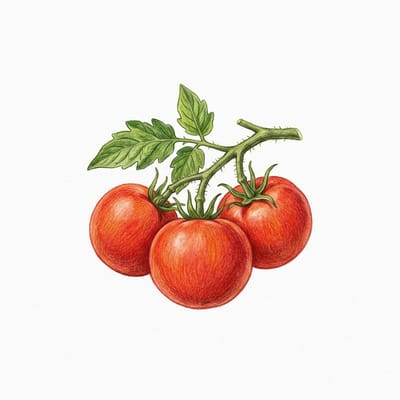
Tomatoes
Start seeds indoors: February and June to July.
Transplant: March to April and August.
Best time to start: March to April.
Pick: June to November.
First pick about 16 weeks after starting.
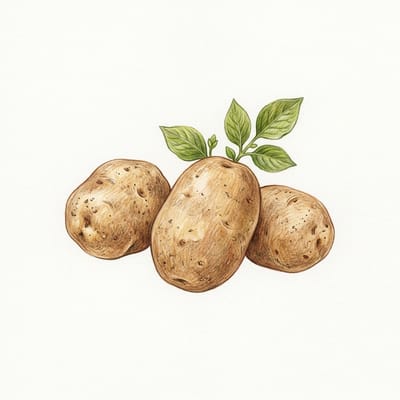
Potatoes
Plant: February to March.
Best time to start: February to March.
Pick: May to June and November to December.
First pick about 10 weeks after starting.
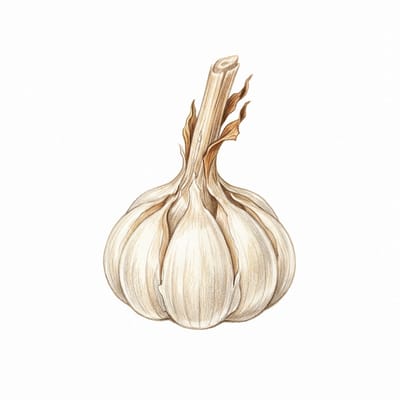
Garlic
Plant: October to December.
Best time to start: October to December.
Pick: March to July.
First pick about 24 weeks after starting.
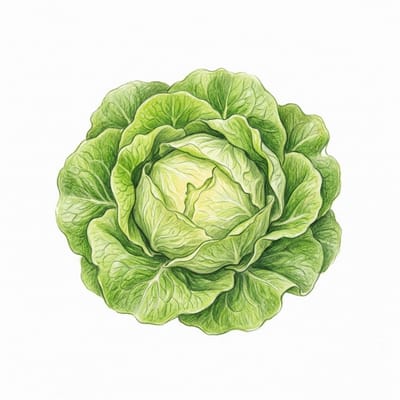
Lettuce
Direct sow: October to March.
Best time to start: October to March.
Pick: November to May.
First pick about 8 weeks after starting.
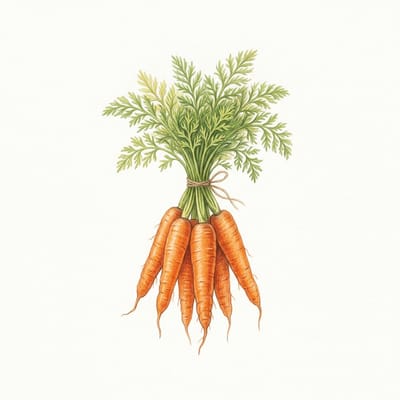
Carrots
Direct sow: September to April.
Best time to start: September to March.
Pick: November to May.
First pick about 10 weeks after starting.
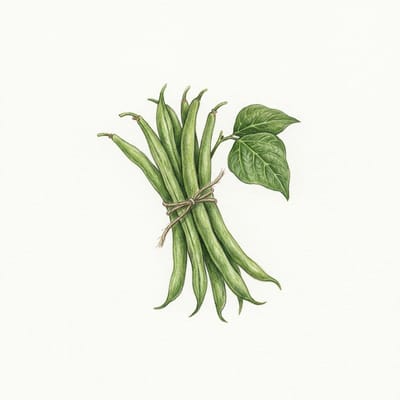
Bush beans
Direct sow: March to April and August to September.
Best time to start: March to April and August.
Pick: May to July and September to November.
First pick about 7 weeks after starting.
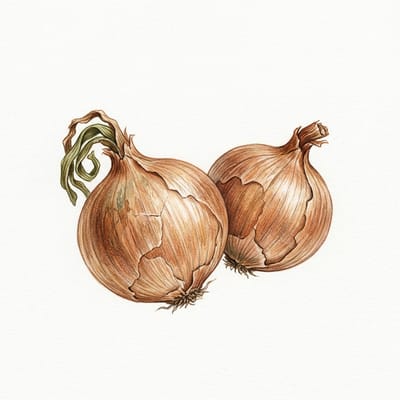
Onions
Start seeds indoors: August to January.
Transplant: October to March.
Best time to start: October to March.
Pick: March to June.
First pick about 24 weeks after starting.
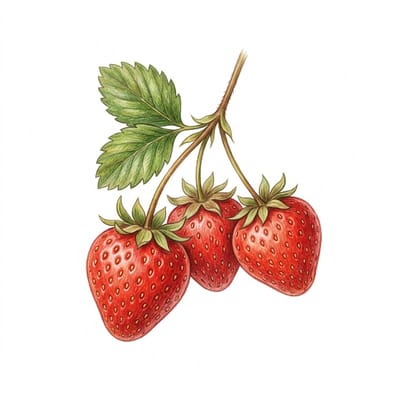
Strawberries
Plant: October to April.
Best time to start: October to March.
Pick: March to July.
First pick about 18 weeks after starting.
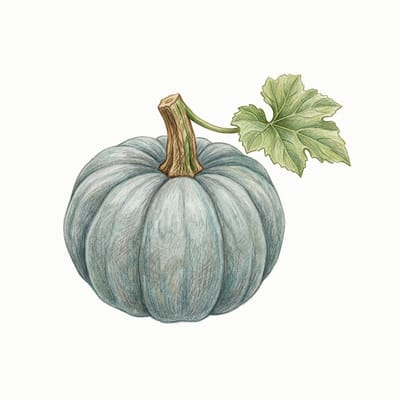
Winter squash
Start seeds indoors: March to April and June to July.
Direct sow: March to August.
Transplant: March to May and July to August.
Best time to start: March to August.
Pick: June to November.
First pick about 12 weeks after starting.
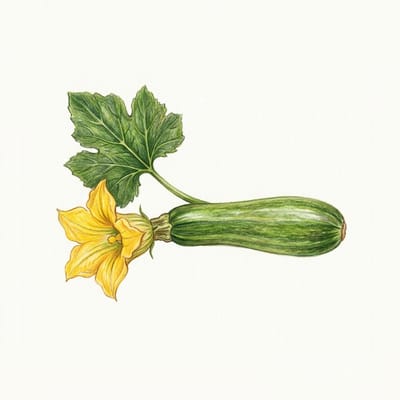
Zucchini
Start seeds indoors: March to May and July to September.
Direct sow: March to September.
Transplant: March to June and August to September.
Best time to start: March to August.
Pick: May to November.
First pick about 6 weeks after starting.
The planting year in Austin
- Start seeds indoors
- Direct sow
- Transplant
- Pick
- Paler: possible, but not the best time
| Vegetable | O | N | D | J | F | M | A | M | J | J | A | S | First pick |
|---|---|---|---|---|---|---|---|---|---|---|---|---|---|
| Arugula | S | S | S | S | S | S | S | about 5 weeks | |||||
| Basil | T | S | S | S | S | S | S | S | about 6 weeks | ||||
| Beets | S | S | S | S | S | S | S | S | about 7 weeks | ||||
| Bell pepper | T | T | P | P | P | T | P | P | about 15 weeks | ||||
| Bok choy | S | S | S | S | S | S | S | S | S | about 5 weeks | |||
| Broccoli | P | P | P | P | P | P | T | P | about 14 weeks | ||||
| Brussels sprouts | P | P | T | P | about 24 weeks | ||||||||
| Bush beans | S | S | S | S | about 7 weeks | ||||||||
| Cabbage | P | P | P | P | P | P | T | P | about 16 weeks | ||||
| Cantaloupe | S | S | S | S | S | S | about 8 weeks | ||||||
| Carrot | S | S | S | S | S | S | S | S | about 10 weeks | ||||
| Cauliflower | P | P | P | P | T | P | about 18 weeks | ||||||
| Celeriac | P | P | P | P | P | T | T | T | about 27 weeks | ||||
| Celery | P | P | P | P | P | P | T | T | T | about 24 weeks | |||
| Chives | S | S | S | S | S | S | S | P | T | P | about 10 weeks | ||
| Cilantro | S | S | S | S | S | S | about 7 weeks | ||||||
| Cucumber | S | S | S | S | T | S | S | about 5 weeks | |||||
| Dill | S | S | S | S | S | S | S | S | about 7 weeks | ||||
| Eggplant | T | T | P | P | P | P | P | P | about 16 weeks | ||||
| Fava beans | S | S | S | about 14 weeks | |||||||||
| Garlic | P | P | P | about 24 weeks | |||||||||
| Hot pepper | T | T | P | P | P | P | P | P | about 17 weeks | ||||
| Kale | S | S | S | S | S | S | P | T | S | about 8 weeks | |||
| Leek | P | P | P | P | P | P | T | T | about 22 weeks | ||||
| Lettuce | S | S | S | S | S | S | about 8 weeks | ||||||
| Okra | S | S | S | S | S | about 5 weeks | |||||||
| Onion | P | P | P | P | P | P | T | T | about 24 weeks | ||||
| Parsley | S | S | S | S | S | S | S | T | S | about 10 weeks | |||
| Parsnip | S | S | S | S | about 18 weeks | ||||||||
| Peas | S | S | S | S | S | S | about 10 weeks | ||||||
| Pole beans | S | S | S | S | about 8 weeks | ||||||||
| Potato | P | P | about 10 weeks | ||||||||||
| Radish | S | S | S | S | S | S | S | S | about 3 weeks | ||||
| Runner beans | S | about 9 weeks | |||||||||||
| Rutabaga | S | S | S | S | about 16 weeks | ||||||||
| Scallions | S | S | S | S | S | S | S | S | S | about 7 weeks | |||
| Spinach | S | S | S | S | S | S | about 7 weeks | ||||||
| Strawberry | P | P | P | P | P | P | P | about 18 weeks | |||||
| Sweet corn | S | S | S | S | S | S | P | about 8 weeks | |||||
| Sweet potato | P | P | P | P | P | about 10 weeks | |||||||
| Swiss chard | S | S | S | S | S | S | S | S | about 7 weeks | ||||
| Tomato | T | P | P | T | T | P | about 16 weeks | ||||||
| Turnip | S | S | S | S | S | S | about 8 weeks | ||||||
| Watermelon | T | S | S | S | S | S | about 9 weeks | ||||||
| Winter squash | S | S | S | S | S | S | about 12 weeks | ||||||
| Zucchini | S | S | S | S | S | S | S | about 6 weeks |
The chart starts at October. "First pick" is the usual time from starting to the first harvest.
Austin season by season
Spring March to May
Time to start: bush beans, cantaloupe, cucumber, okra, pole beans, sweet corn, sweet potato, watermelon, winter squash and zucchini.
Last chance for: arugula, beets, bok choy, broccoli, bush beans, cabbage, carrot, celery, chives, cilantro, dill, kale, leek, lettuce, onion, parsley, peas, pole beans, potato, radish, scallions, spinach, strawberry, Swiss chard, tomato and turnip.
Summer June to August
Time to start: broccoli, Brussels sprouts, bush beans, cabbage, cauliflower, celeriac, celery, chives, kale, leek, onion, parsley, pole beans and tomato.
Last chance for: bell pepper, cantaloupe, eggplant, hot pepper, okra, sweet potato, tomato, watermelon and winter squash.
Fall September to November
Time to start: arugula, beets, bok choy, carrot, cilantro, dill, fava beans, garlic, lettuce, parsnip, peas, radish, runner beans, rutabaga, scallions, spinach, strawberry, Swiss chard and turnip.
Last chance for: basil, Brussels sprouts, bush beans, cucumber, pole beans, runner beans, sweet corn and zucchini.
Winter December to February
Time to start: basil, bell pepper, eggplant, hot pepper, potato and tomato.
Last chance for: cauliflower, celeriac, fava beans, garlic, parsnip and rutabaga.
Frost in Austin
- Last frost, most years
- around February 21
- Frost is unlikely after
- about March 13
- First frost, most years
- around November 21
- Frost-free days in a year
- about 273
The end of frost is not planting time. Tender plants also need warm nights, which usually come two to four weeks later, and a week or two of hardening off first, so go by the months for each vegetable above. A low corner where cold air settles runs later. Tomatoes, peppers, beans, zucchini, winter squash and basil are the ones to hold back or cover.
Questions about planting in Austin
What can I plant now in Austin?
In October, 28 vegetables can be sown or planted in Austin, including arugula, beets, bok choy, broccoli, Brussels sprouts, cabbage, carrot and cauliflower. The full list is at the top of this page and changes every month.
When should I plant tomatoes in Austin?
In Austin, sow tomatoes indoors in February and from June to July and transplant them from March to April and in August. The best time to start is from March to April. Picking runs from June to November.
When should I plant potatoes in Austin?
In Austin, plant potatoes from February to March. The best time to start is from February to March. Picking runs from May to June and from November to December.
When should I plant garlic in Austin?
In Austin, plant garlic from October to December. The best time to start is from October to December. Picking runs from March to July.
When is the last frost in Austin?
In most years the last frost in Austin comes around February 21. Frost is unlikely after about March 13, though tender vegetables go out later still, once nights are warm. The first frost of the cold season usually arrives around November 21.
Which vegetables are quickest to grow in Austin?
The quick ones are radish (about 3 weeks), arugula (about 5 weeks), bok choy (about 5 weeks), cucumber (about 5 weeks), basil (about 6 weeks), zucchini (about 6 weeks), beets (about 7 weeks) and bush beans (about 7 weeks). The time is from starting to the first pick.
Other cities
What to plant now in New York · What to plant now in Boston · What to plant now in Chicago · What to plant now in Atlanta · What to plant now in Dallas · What to plant now in Houston · What to plant now in Denver · What to plant now in Phoenix · What to plant now in Seattle · What to plant now in Portland · What to plant now in Los Angeles · What to plant now in San Diego
These dates are estimates for general guidance, based on the usual weather in Austin. Seasons vary from year to year, so check the seed packet and local advice as well.
Temperatures: Source: Meteostat and its data providers (CC BY 4.0). Crop temperature ranges checked against FAO ECOCROP (CC BY 4.0).