Home › What to plant › Launceston
Launceston, Tas · vegetable planting calendar
What to plant now in Launceston
This month's sowing list for Launceston, what is ready to pick, when to plant the favourites, the planting year at a glance and the local frost dates.
October
34 vegetables to sow or plant now
28 of them are at their best time to start. The last frost is usually around 13 October; tender plants are safe from about 5 November.
Quick, easy wins this month: radish, rocket, coriander, pak choy, spinach and beetroot.
Sow or plant in Launceston in October
Sow in a tray
- Broccoli
- Cabbage
- Capsicum
- Cauliflower
- Celeriac
- Celery
- Chilli
- Chives
- Kale
- Leek
- Onion
- Parsley
- Pumpkin
- Sweet corn
- Tomato
- Zucchini
Sow in the ground
- Beetroot
- Broad beans
- Carrot
- Chives
- Coriander
- Dill
- Kale
- Lettuce
- Pak choy
- Parsley
- Parsnip
- Peas
- Radish
- Rocket
- Silverbeet
- Spinach
- Spring onion
- Swede
- Turnip
Plant out
- Broccoli
- Cabbage
- Cauliflower
- Celeriac
- Celery
- Chives
- Kale
- Leek
- Onion
- Parsley
- Potato
- Strawberry
Last month to start: capsicum and chilli.
Ready to pick in October
- Broad beans
- Brussels sprouts
- Cabbage
- Celeriac
- Celery
- Chives
- Kale
- Leek
- Pak choy
- Parsley
- Parsnip
- Peas
- Radish
- Rocket
- Silverbeet
- Spinach
- Swede
Coming up in November
- Brussels sprouts
- Bush beans
- Climbing beans
- Cucumber
When to plant the favourites in Launceston
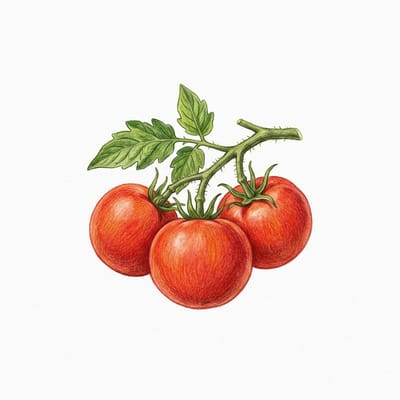
Tomatoes
Sow in a tray: September to October.
Plant out: November to December.
Pick: February to March.
First pick about 21 weeks after starting.
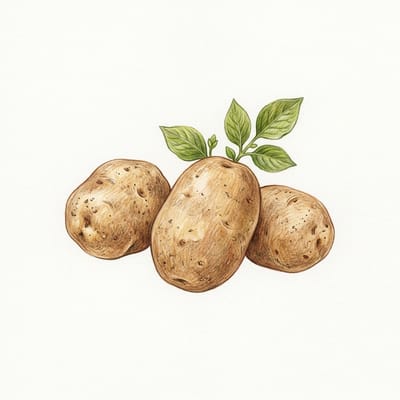
Potatoes
Plant: October to January.
Best time to start: October to January.
Pick: January to May.
First pick about 12 weeks after starting.
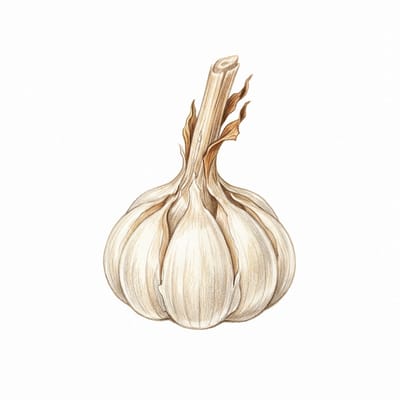
Garlic
Plant: April to June.
Best time to start: April to June.
Pick: November to January.
First pick about 27 weeks after starting.
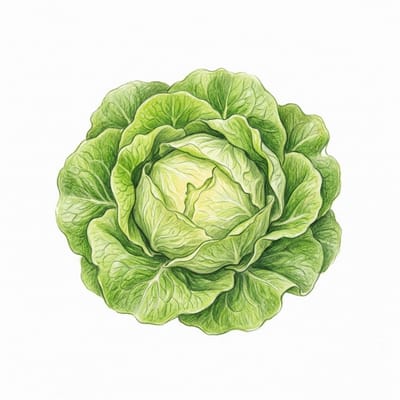
Lettuce
Sow in the ground: July to March.
Best time to start: August to March.
Pick: November to July.
First pick about 8 weeks after starting.
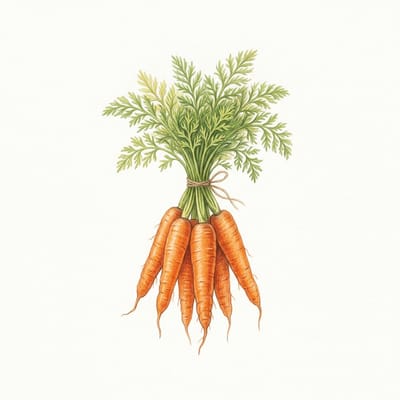
Carrots
Sow in the ground: July to March.
Best time to start: August to February.
Pick: November to September.
First pick about 11 weeks after starting.
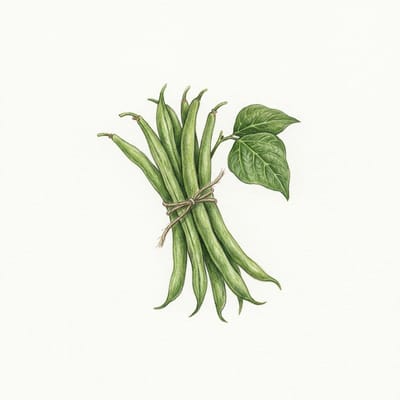
Bush beans
Sow in the ground: November to January.
Best time to start: November to January.
Pick: January to April.
First pick about 10 weeks after starting.
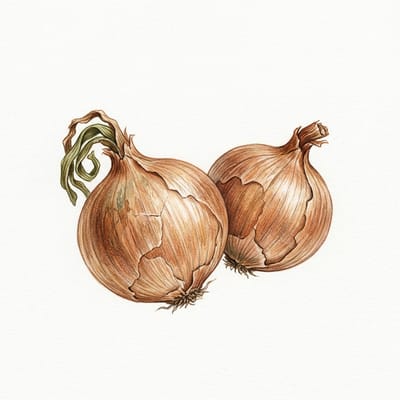
Onions
Sow in a tray: All year.
Plant out: All year.
Best time to start: All year.
Pick: November to May.
First pick about 31 weeks after starting.
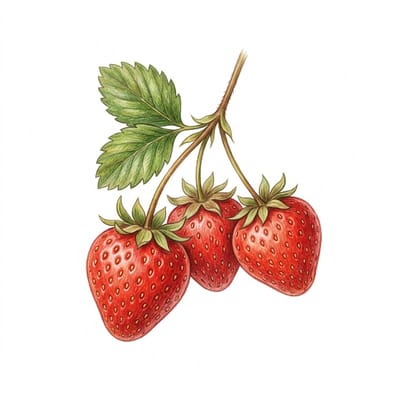
Strawberries
Plant: March to June and August to December.
Best time to start: March to June and August to December.
Pick: December to July.
First pick about 23 weeks after starting.
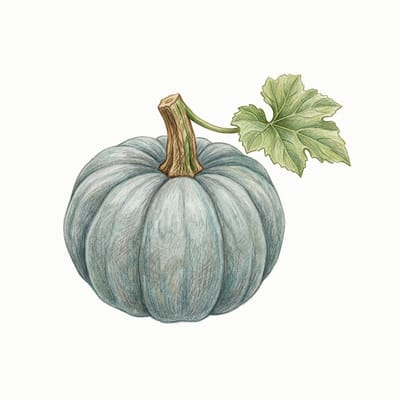
Pumpkins
Sow in a tray: October to November.
Sow in the ground: November.
Plant out: November to December.
Best time to start: November.
Pick: March to April.
First pick about 19 weeks after starting.
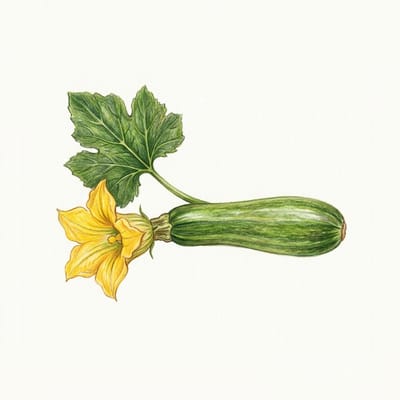
Zucchini
Sow in a tray: October to January.
Sow in the ground: November to January.
Plant out: November to January.
Best time to start: November to December.
Pick: January to March.
First pick about 9 weeks after starting.
The planting year in Launceston
- Sow in a tray
- Sow in the ground
- Plant out
- Pick
- Paler: possible, but not the best time
| Vegetable | O | N | D | J | F | M | A | M | J | J | A | S | First pick |
|---|---|---|---|---|---|---|---|---|---|---|---|---|---|
| Basil | T | P | about 5 weeks | ||||||||||
| Beetroot | S | S | S | S | S | S | S | S | about 8 weeks | ||||
| Broad beans | S | S | S | S | S | S | S | S | S | S | about 17 weeks | ||
| Broccoli | P | P | P | P | P | P | T | T | P | P | about 14 weeks | ||
| Brussels sprouts | T | P | P | P | P | P | P | about 34 weeks | |||||
| Bush beans | S | S | S | about 10 weeks | |||||||||
| Cabbage | P | P | P | P | P | P | P | P | P | T | P | P | about 18 weeks |
| Capsicum | T | P | about 20 weeks | ||||||||||
| Carrot | S | S | S | S | S | S | S | S | S | about 11 weeks | |||
| Cauliflower | P | P | P | P | P | P | T | T | P | P | about 17 weeks | ||
| Celeriac | P | P | P | P | P | P | P | T | T | P | about 26 weeks | ||
| Celery | P | P | P | P | P | P | T | T | P | about 23 weeks | |||
| Chilli | T | P | about 19 weeks | ||||||||||
| Chives | S | S | S | S | S | S | P | T | S | about 10 weeks | |||
| Climbing beans | S | S | S | about 12 weeks | |||||||||
| Coriander | S | S | S | S | S | S | S | S | about 6 weeks | ||||
| Cucumber | T | S | P | about 10 weeks | |||||||||
| Dill | S | S | S | S | S | S | S | about 7 weeks | |||||
| Garlic | P | P | P | about 27 weeks | |||||||||
| Kale | S | S | S | S | S | S | P | S | S | S | about 9 weeks | ||
| Leek | P | P | P | P | P | P | T | T | P | P | P | P | about 23 weeks |
| Lettuce | S | S | S | S | S | S | S | S | S | about 8 weeks | |||
| Onion | P | P | P | P | P | P | P | P | P | P | P | P | about 31 weeks |
| Pak choy | S | S | S | S | S | S | S | S | S | about 6 weeks | |||
| Parsley | S | S | S | S | S | S | P | T | S | about 10 weeks | |||
| Parsnip | S | S | S | S | S | S | S | S | S | about 17 weeks | |||
| Peas | S | S | S | S | S | S | S | S | S | S | S | S | about 12 weeks |
| Potato | P | P | P | P | about 12 weeks | ||||||||
| Pumpkin | T | S | P | about 19 weeks | |||||||||
| Radish | S | S | S | S | S | S | S | S | S | about 4 weeks | |||
| Rocket | S | S | S | S | S | S | S | S | S | about 5 weeks | |||
| Runner beans | S | about 12 weeks | |||||||||||
| Silverbeet | S | S | S | S | S | S | S | S | about 8 weeks | ||||
| Spinach | S | S | S | S | S | S | S | S | S | S | about 7 weeks | ||
| Spring onion | S | S | S | S | S | S | S | S | S | about 8 weeks | |||
| Strawberry | P | P | P | P | P | P | P | P | P | about 23 weeks | |||
| Swede | S | S | S | S | S | S | S | S | S | S | S | about 16 weeks | |
| Sweet corn | T | S | S | about 14 weeks | |||||||||
| Tomato | T | P | P | T | about 21 weeks | ||||||||
| Turnip | S | S | S | S | S | S | S | S | S | about 8 weeks | |||
| Zucchini | T | S | S | S | about 9 weeks |
The chart starts at October. "First pick" is the usual time from starting to the first harvest.
Choose a quick-maturing (early) variety of: capsicum and chilli.
Launceston season by season
Spring September to November
Time to start: brussels sprouts, bush beans, capsicum, chilli, climbing beans, coriander, cucumber, dill, parsnip, potato, pumpkin, sweet corn, tomato and zucchini.
Last chance for: capsicum and chilli.
Summer December to February
Time to start: basil, capsicum, chilli and runner beans.
Last chance for: basil, broad beans, bush beans, capsicum, chilli, climbing beans, cucumber, potato, pumpkin, runner beans, strawberry, sweet corn, tomato and zucchini.
Autumn March to May
Time to start: broad beans, celeriac, garlic, strawberry and swede.
Last chance for: beetroot, broccoli, brussels sprouts, carrot, cauliflower, celeriac, celery, chives, coriander, dill, kale, lettuce, pak choy, parsley, parsnip, radish, rocket, silverbeet, spinach, spring onion, swede and turnip.
Winter June to August
Time to start: beetroot, broccoli, carrot, cauliflower, celeriac, celery, chives, kale, lettuce, pak choy, parsley, radish, rocket, silverbeet, spinach, spring onion, strawberry and turnip.
Last chance for: garlic and strawberry.
Any time of year: cabbage, leek, onion and peas.
Frost in Launceston
- Last frost, most years
- around 13 October
- Safe to plant frost-tender vegetables
- from about 5 November
- First frost, most years
- around 29 April
- Frost-free days in a year
- about 198
These dates are on the careful side. Many gardeners plant a few weeks earlier and cover young plants on cold nights. A low corner where cold air settles runs later. Tomatoes, capsicum, beans, zucchini, pumpkin and basil are the ones to hold back or cover.
Harder to grow in Launceston
Needs a greenhouse or a warm, sheltered spot: eggplant, okra, rockmelon and watermelon.
Too cold here: sweet potato.
Questions about planting in Launceston
What can I plant now in Launceston?
In October, 34 vegetables can be sown or planted in Launceston, including beetroot, broad beans, broccoli, cabbage, capsicum, carrot, cauliflower and celeriac. The full list is at the top of this page and changes every month.
When should I plant tomatoes in Launceston?
In Launceston, sow tomatoes in a tray from September to October and plant them out from November to December. Picking runs from February to March.
When should I plant potatoes in Launceston?
In Launceston, plant potatoes from October to January. The best time to start is from October to January. Picking runs from January to May.
When should I plant garlic in Launceston?
In Launceston, plant garlic from April to June. The best time to start is from April to June. Picking runs from November to January.
When is the last frost in Launceston?
In most years the last frost in Launceston comes around 13 October. Frost-tender vegetables are safe from about 5 November. The first frost of the cold season usually arrives around 29 April.
What can I plant at any time of year in Launceston?
Cabbage, leek, onion and peas can be started in Launceston in every month of the year.
Which vegetables are quickest to grow in Launceston?
The quick ones are radish (about 4 weeks), basil (about 5 weeks), rocket (about 5 weeks), coriander (about 6 weeks), pak choy (about 6 weeks), spinach (about 7 weeks), beetroot (about 8 weeks) and lettuce (about 8 weeks). The time is from starting to the first pick.
Other cities
What to plant now in Sydney · What to plant now in Melbourne · What to plant now in Brisbane · What to plant now in Perth · What to plant now in Adelaide · What to plant now in Canberra · What to plant now in Hobart · What to plant now in Toowoomba · What to plant now in Newcastle · What to plant now in Wollongong · What to plant now in Central Coast · What to plant now in Blue Mountains · What to plant now in Bathurst · What to plant now in Orange · What to plant now in Albury · What to plant now in Geelong · What to plant now in Ballarat · What to plant now in Bendigo
These dates are estimates for general guidance, based on the usual weather in Launceston. Seasons vary from year to year, so check the seed packet and local advice as well.
Temperatures: Source: Meteostat and its data providers (CC BY 4.0). Crop temperature ranges checked against FAO ECOCROP (CC BY 4.0).