Daily gardening tip · Northern hemisphere · Saturday 19 September 2026 · early autumn
Rake Fallen Rose Leaves to Stop Black Spot
Clearing away fallen leaves from beneath your rose bushes now is a quick way to protect your plants from fungal diseases next spring.
5 minuteseasydiseases
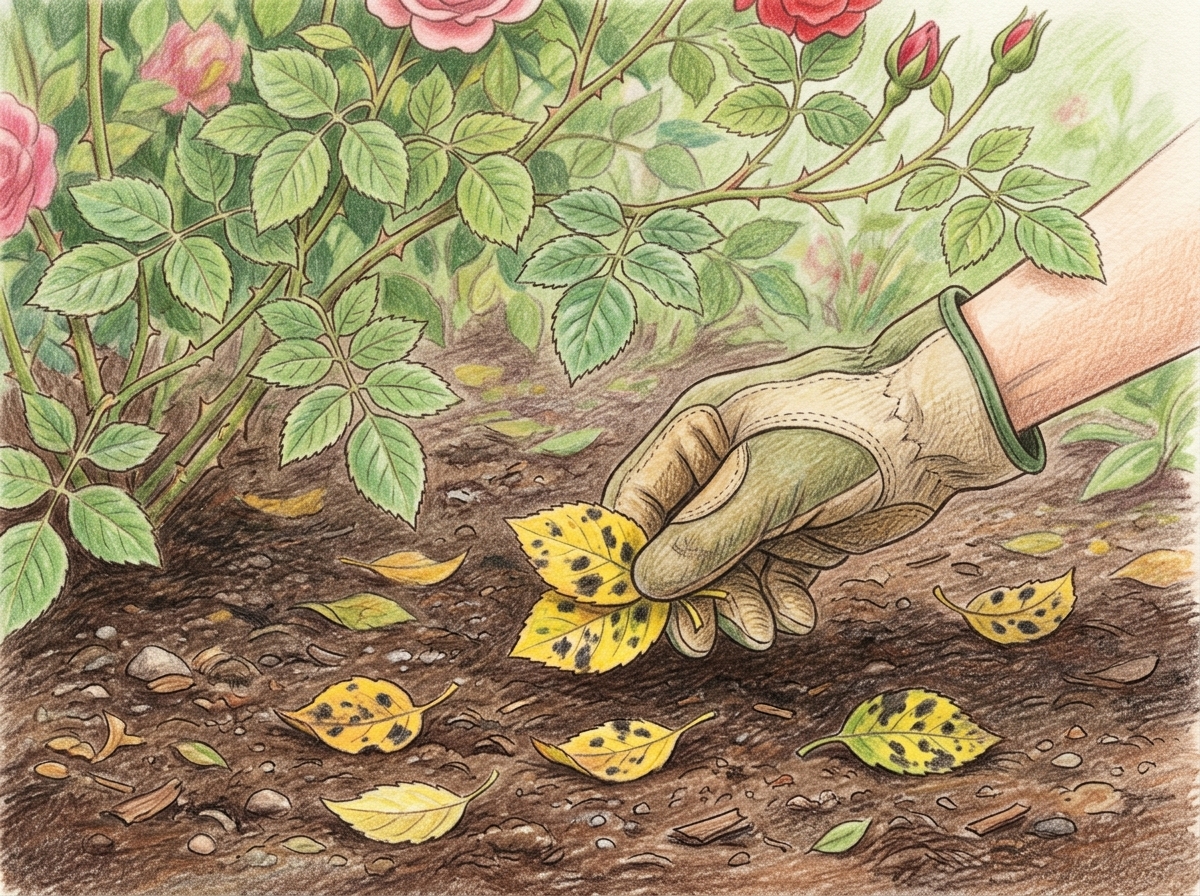
Look underneath your rose bushes for any fallen, yellowed, or spotted leaves.
Gently rake or hand-gather all of these fallen leaves from the soil surface.
Put the collected rose leaves into your household trash bin instead of your compost pile.
Wipe down your rake with a disinfectant to avoid spreading any fungal spores to other parts of the garden.
Why it works
Black spot is a common fungal disease that survives the winter by living on fallen foliage. If you leave these leaves on the ground, the spores will sleep in the soil and splash back up onto your roses during spring rains, restarting the infection.
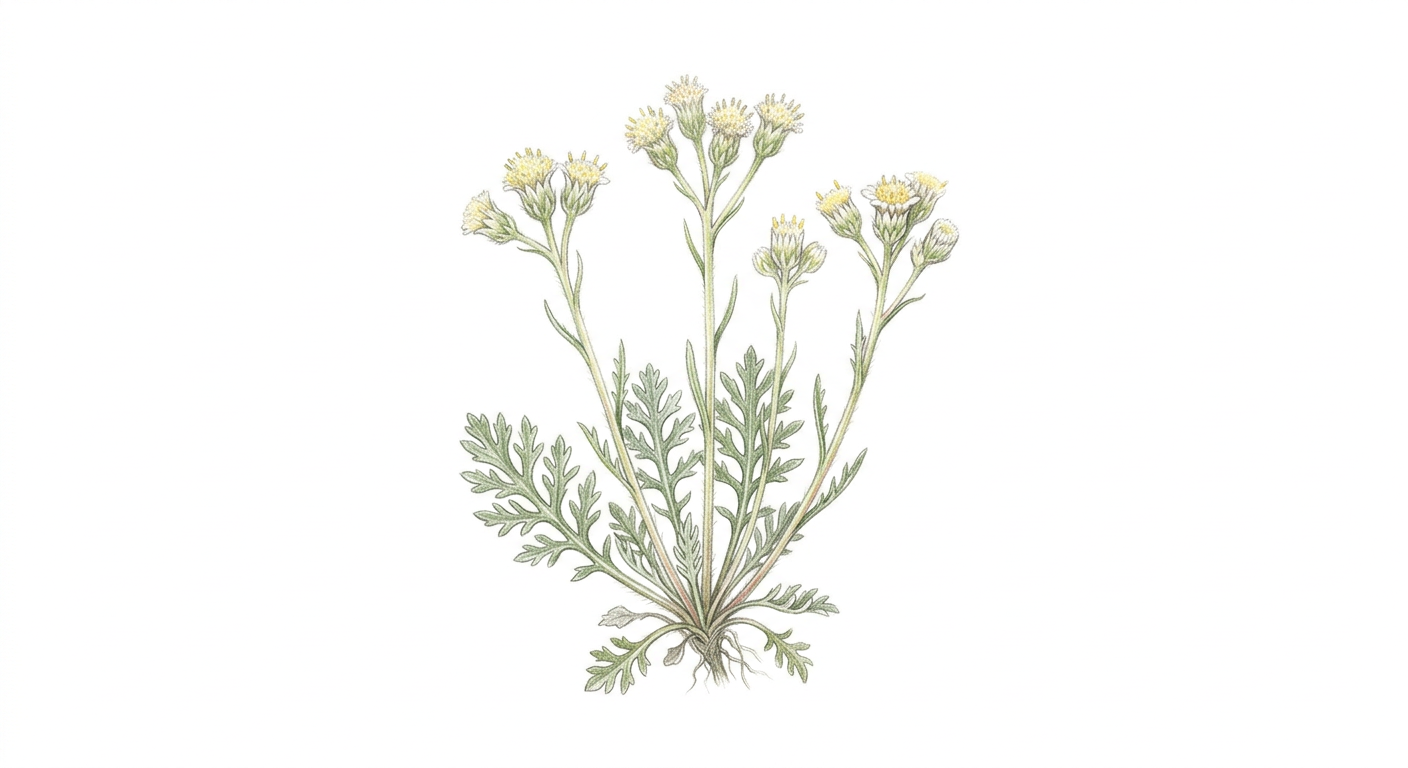
A hardy, drought-resistant perennial with fine, woolly-haired leaves and disc-shaped yellow flower heads. Typical of sandy or rocky soils in the Western plains and mountains.
Bank holds rates at 3.75% but warns energy shock could bring rises
The Bank of England kept its interest rate at 3.75 percent for the sixth time in a row, but warned that this rate could go up if fighting in the Middle East keeps causing energy problems.
Morning Glories Face Evolutionary Conflict in a Warming Climate
Scientists studied how morning glory plants adapt when facing both climate change and declining pollinator numbers. The researchers found that the plants slowed their climate adaptation by 96 percent because they prioritized growing larger flowers to attract bees. This study shows how plants must balance competing survival needs as environmental conditions shift.
American Botanist Mildred Mathias Born in Missouri
On 19 September 1906, botanist and educator Mildred E. Mathias was born in Sappington, Missouri. She spent her career identifying over 100 plant species in the carrot family and leading plant research groups around the world. The botanical garden at the University of California, Los Angeles was later named in her honor.