Daily gardening tip · Northern hemisphere · Friday 18 September 2026 · early autumn
Check Under Pots for Hidden Slugs
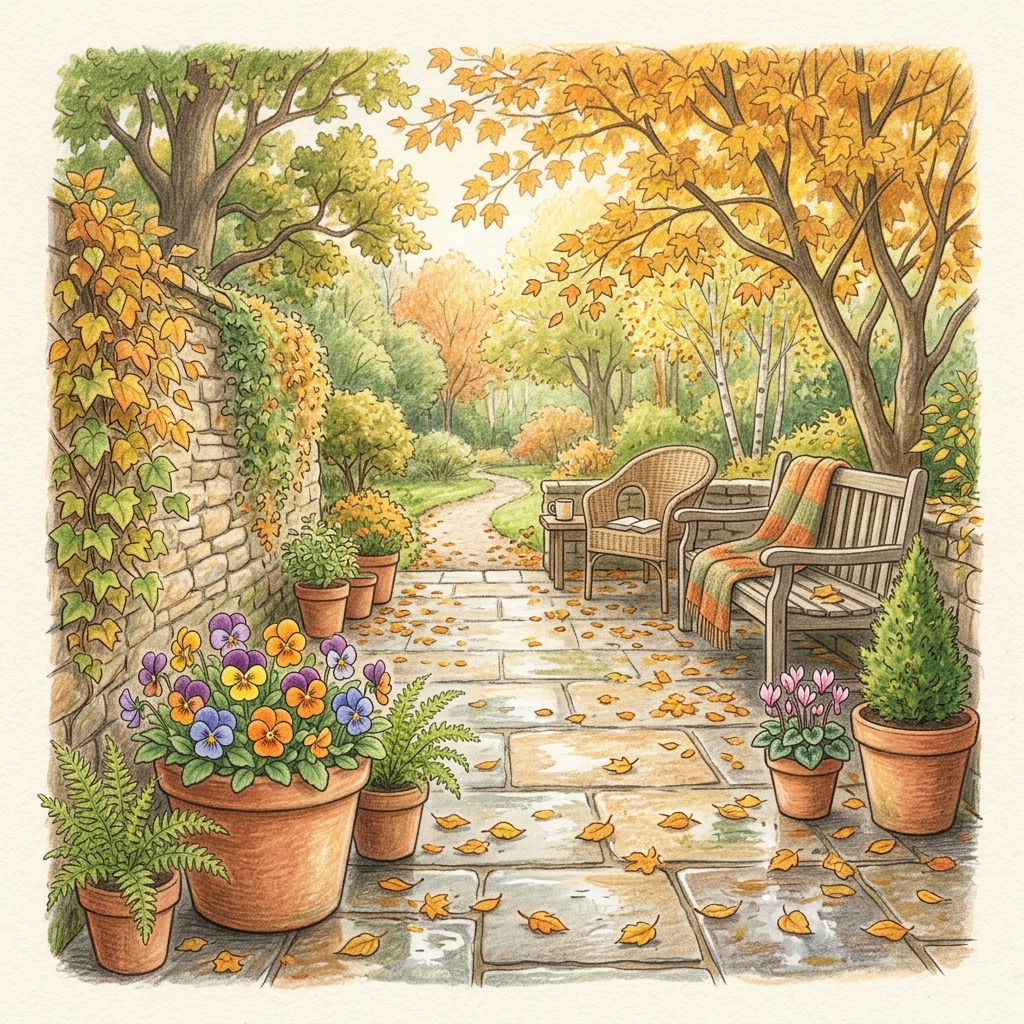
As autumn brings damp weather, slugs and snails look for dark, wet places to hide during the day.
10 minuteseasypests
Walk around your patio, deck, or garden beds where you keep container plants.
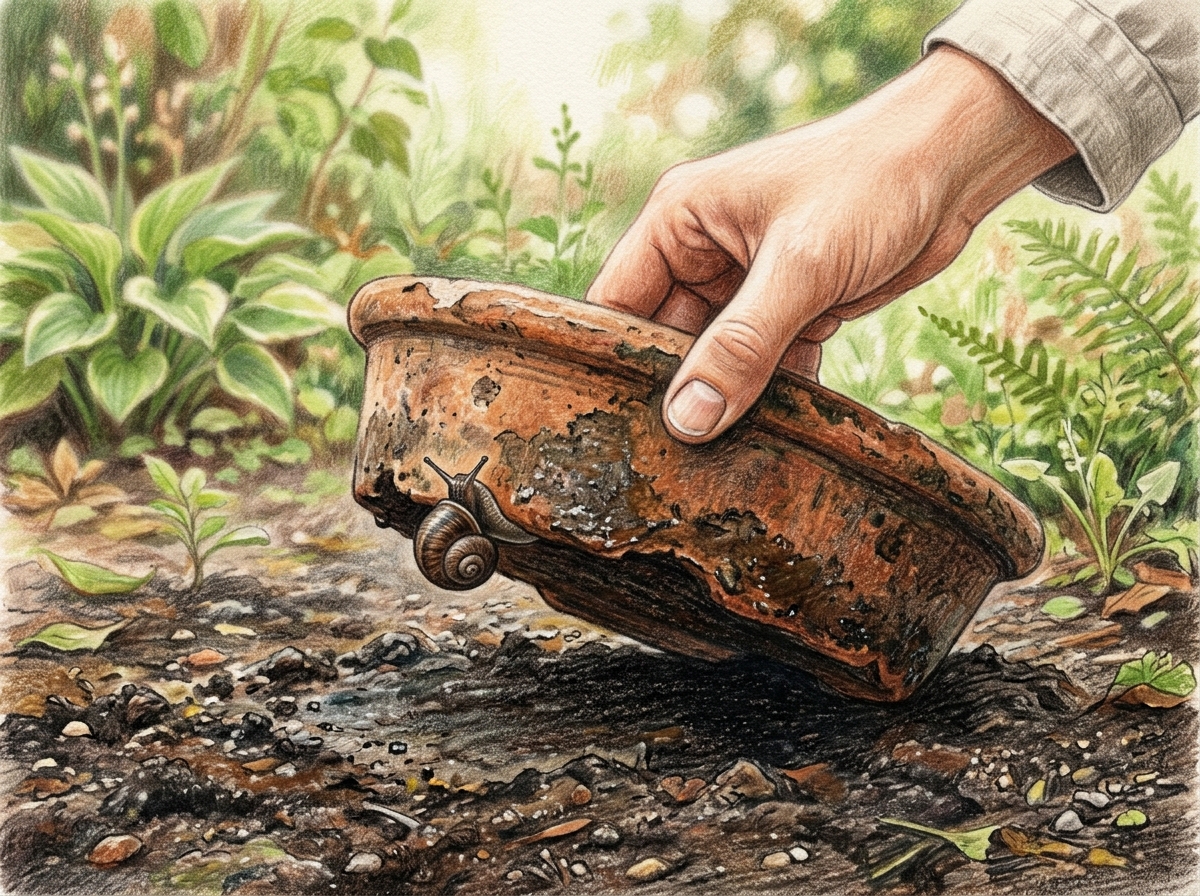
Carefully lift up outdoor pots, saucers, and loose flat stones.
Look closely at the damp undersides of these objects for resting slugs or snails.
Remove any pests you find and dispose of them away from your garden.
Lower the pots and stones back into place.
Why it works
Slugs and snails are active at night and must shelter from the drying sun during the day. They naturally gather under heavy, cool objects where moisture stays trapped. Finding them in these hiding spots lets you control their population before they crawl out to eat your autumn plants at night.
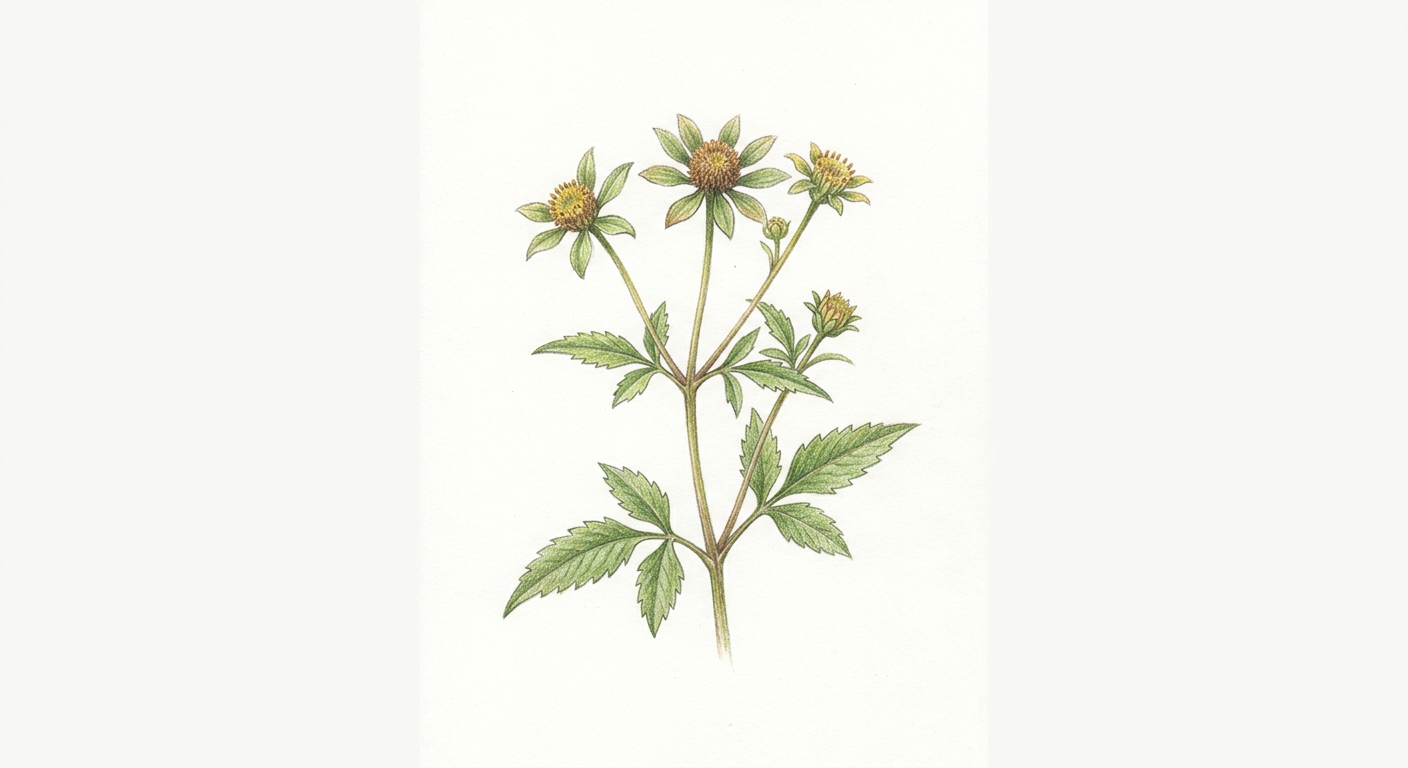
A native North American annual herb found in wet habitats such as marshes, bogs, and stream banks. It produces branching green to reddish stems bearing trifoliolate leaves and yellow-green flower heads that lack prominent ray petals
Scientists decode genome of edible samphire to help crops grow in salty soil
Researchers completed the full genetic blueprint of six species of Salicornia, also known as sea asparagus or samphire. This edible plant thrives in high salinity where standard agricultural crops cannot survive. The discovery could help breeders create climate-resilient crops for regions with poor water quality.
On 18 September 1950, an official decree authorized the creation of a botanical garden in Chișinău. The garden was initially built along the Durlești river valley before expanding to its present 104-hectare location. Today, it hosts extensive collections of roses, aquatic plants, and native Moldovan flora.