Daily gardening tip · Northern hemisphere · Friday 4 September 2026 · early autumn
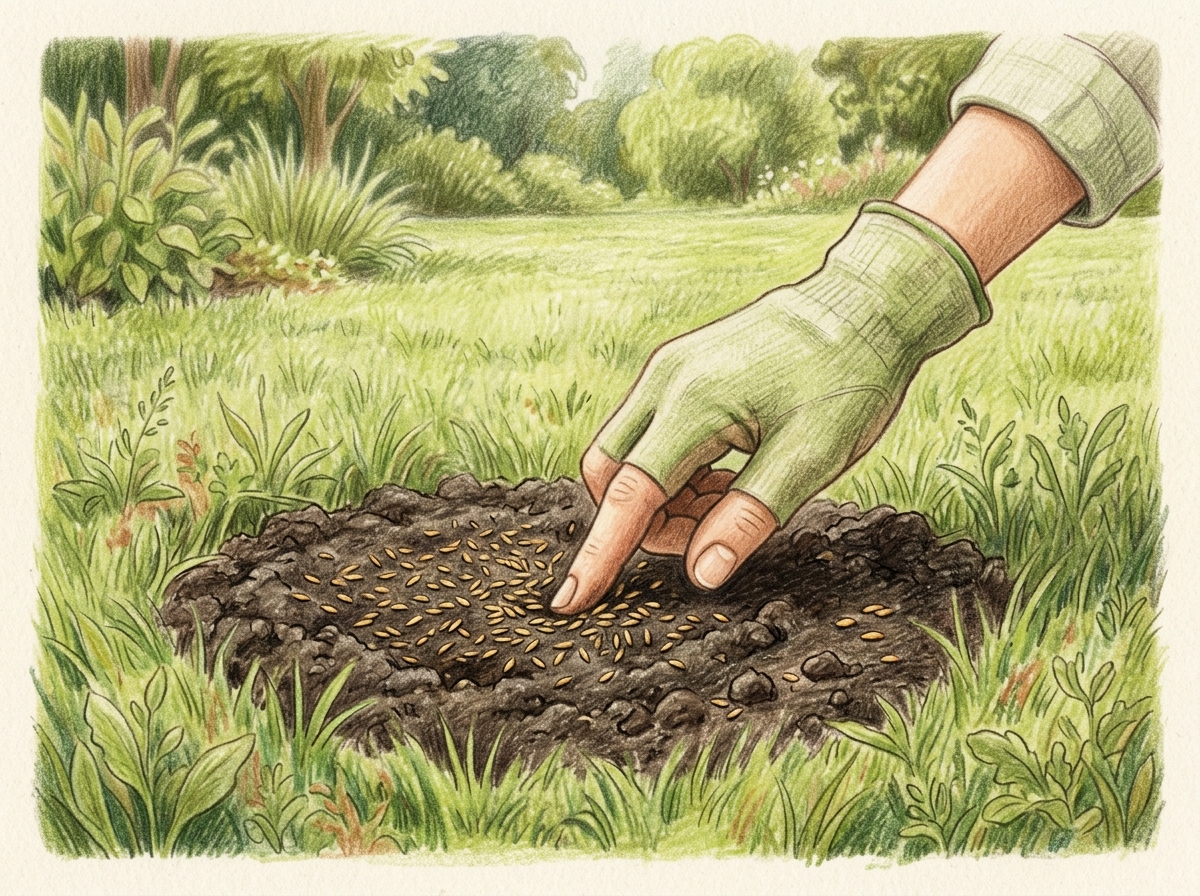
Fill Lawn Bald Spots with Autumn Seed
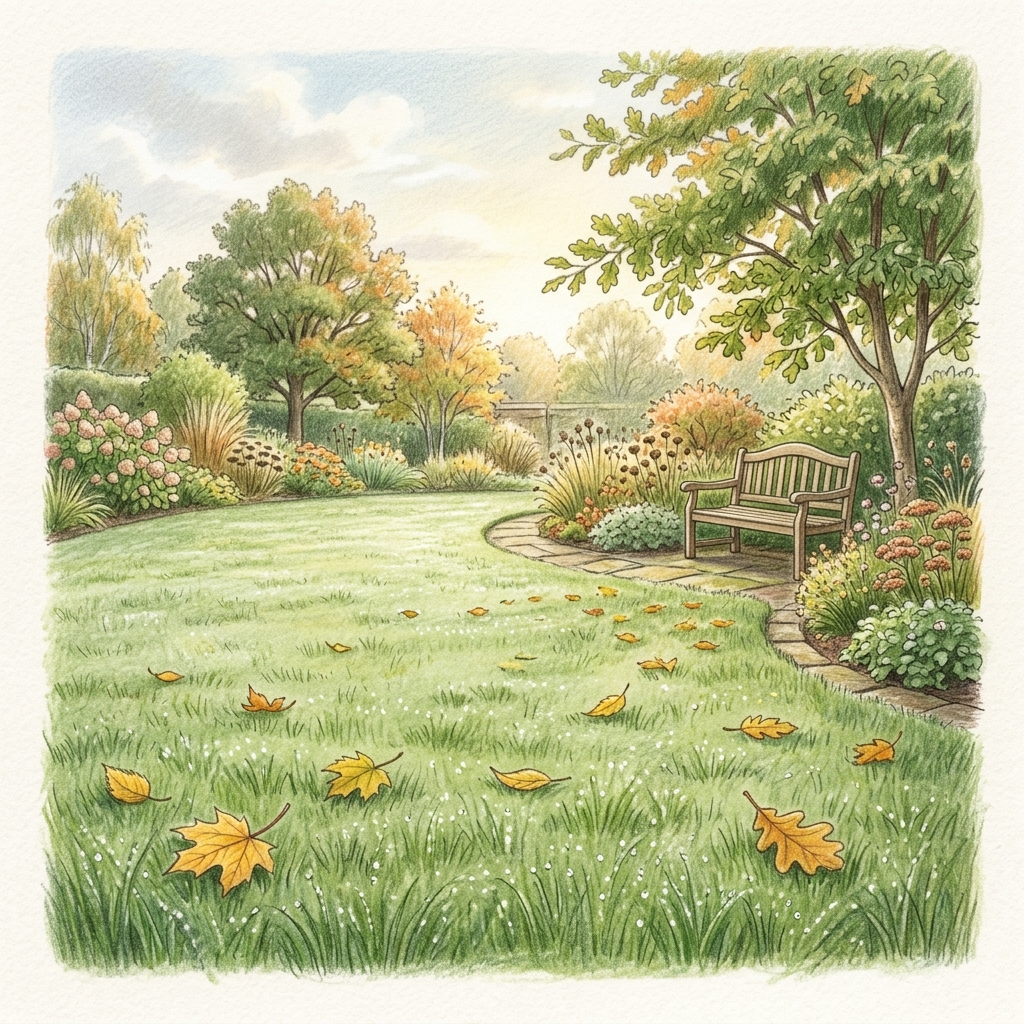
Early autumn is the ideal moment to fill empty patches in your lawn because the soil is still warm and natural rains are returning.
20 minuteseasylawn
Rake away any dead grass and loosen the top inch of soil in the bare patch.
Scatter a thin layer of compost or topsoil over the area to create a soft seedbed.
Sprinkle grass seed evenly across the patch, following the packet instructions for density.
Press the seeds gently into the soil with your flat hand or the back of a rake to ensure good contact.
Water the patch lightly using a watering can with a fine spray attachment to avoid washing the seeds away.
Why it works
Grass seed needs both warmth and moisture to germinate successfully. In early autumn, the soil still holds summer's heat, while the rising humidity and seasonal rains keep the seeds damp without drying out, allowing roots to establish quickly before winter.
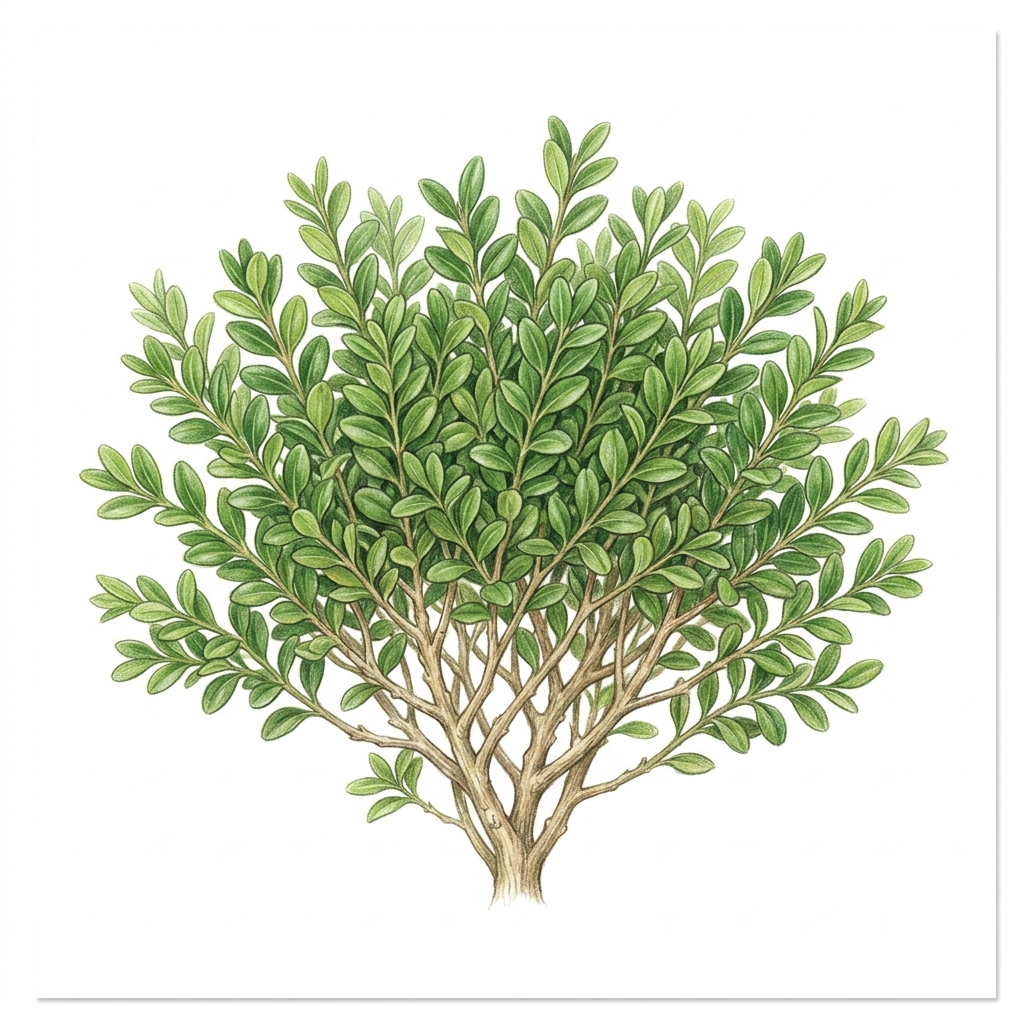
A compact, slow-growing evergreen shrub native to Japan and Taiwan. It features small, rounded, leathery leaves and is widely utilized for formal hedges and topiary due to its tolerance for heavy pruning.
National Garden Scheme launches centenary collection
An organization called the National Garden Scheme has released a new line of garden, home, and gift products to mark its upcoming 100th anniversary in 2027.
Soil Type and Chemistry Determine Biochar Safety for Crops
New research shows that aging biochar does not automatically make it safe for garden plants like lettuce. In nutrient-poor soil, biochar can reduce plant mass and trigger stress regardless of how long it has aged. Gardeners need to check soil conditions and biochar chemistry rather than relying on age alone.
Pioneer Botanist Mary Elizabeth Barber Passed Away
On 4 September 1899, South African naturalist and botanist Mary Elizabeth Barber passed away. She was a pioneering scientist who documented hundreds of native plant species. Her botanical samples and detailed field observations provided valuable research data to scientists like Charles Darwin.