Daily gardening tip · Northern hemisphere · Thursday 3 September 2026 · early autumn
Understanding Semi-Ripe Herb Cuttings
If you want to multiply your rosemary or lavender for free this autumn, you need to know how to spot and use a semi-ripe stem.
15 minuteseasypropagation
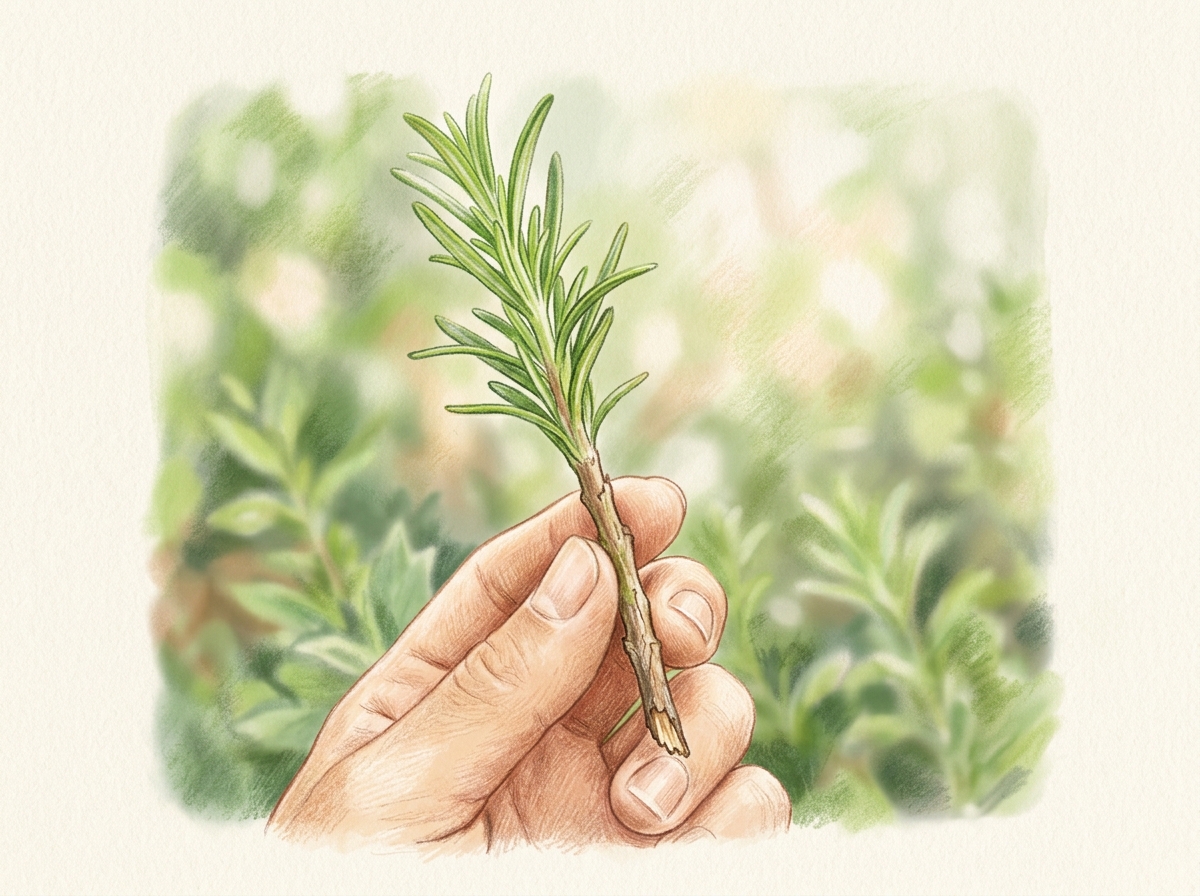
Locate a healthy shoot on your rosemary or lavender plant that is green at the top but starting to turn brown and woody at the base.
Cut a four-inch shoot just below a leaf joint, choosing the zone where the stem transitions from soft green to firm wood.
Gently strip away the leaves from the bottom half of your cut stem to prevent them from rotting in the soil.
Push the bare lower half of the stem into a small pot filled with a mix of potting soil and grit.
Water the pot lightly to settle the soil, then place it in a warm, bright spot out of direct sunlight.
Why it works
Semi-ripe cuttings are taken in late summer and early autumn when the current year's growth is maturing. The firm, woody base of the cutting is tough enough to resist rotting in damp soil, while the flexible green tip still has the active energy needed to sprout new roots quickly.
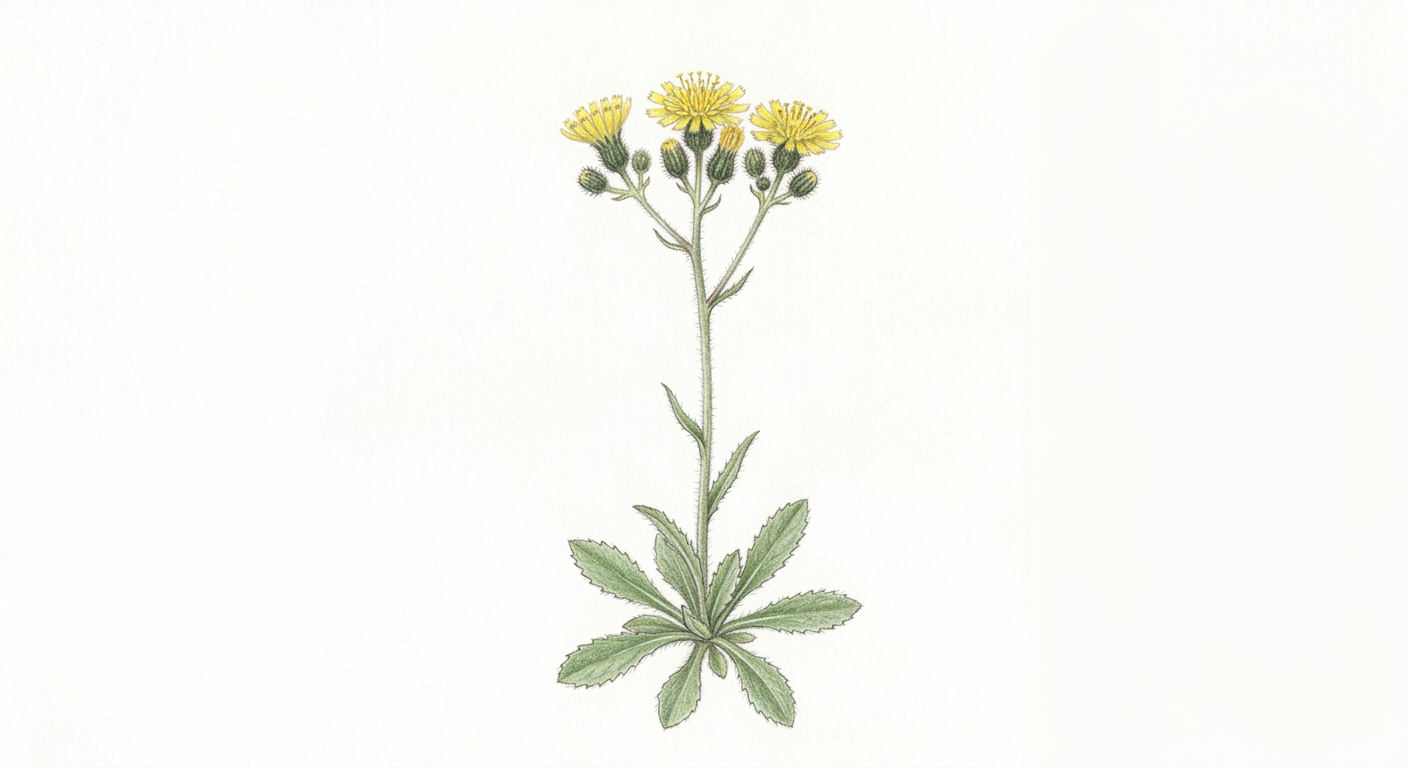
A perennial herbaceous plant native to European mountain ranges. It produces clusters of yellow ray-floret flowers and has leaves with distinctively regular, equal teeth along the margins.
Howardson strengthens Scottish dealer network with Thomas Sherriff expansion
Howardson Group has expanded its partnership with a seller called Thomas Sherriff & Co to make their Dennis and SISIS products available in more parts of Scotland, including Midlothian, East Lothian, West Lothian, and the Scottish Borders.
Researchers use artificial intelligence to breed stronger crops
Scientists are using artificial intelligence and field sensors to measure crop stem strength. Broken stems cause significant harvest losses in grain crops like corn, wheat, and sorghum each year. The new technology will help plant breeders identify genes that increase stem strength.
Botanist Roland Maurice Jefferson was born on September 3, 1923
On 3 September 1923, botanist Roland Maurice Jefferson was born in Washington, D.C.. In 1957, he became the first African American botanist appointed to the U.S. National Arboretum. He later became an international authority on flowering cherry trees and worked to preserve historic specimens.