Daily gardening tip · Northern hemisphere · Tuesday 10 November 2026
Create a Twig Pile for Ground Beetles
Gathering fallen branches into a quiet pile provides valuable shelter for beneficial ground beetles now.
10 minuteseasywildlife
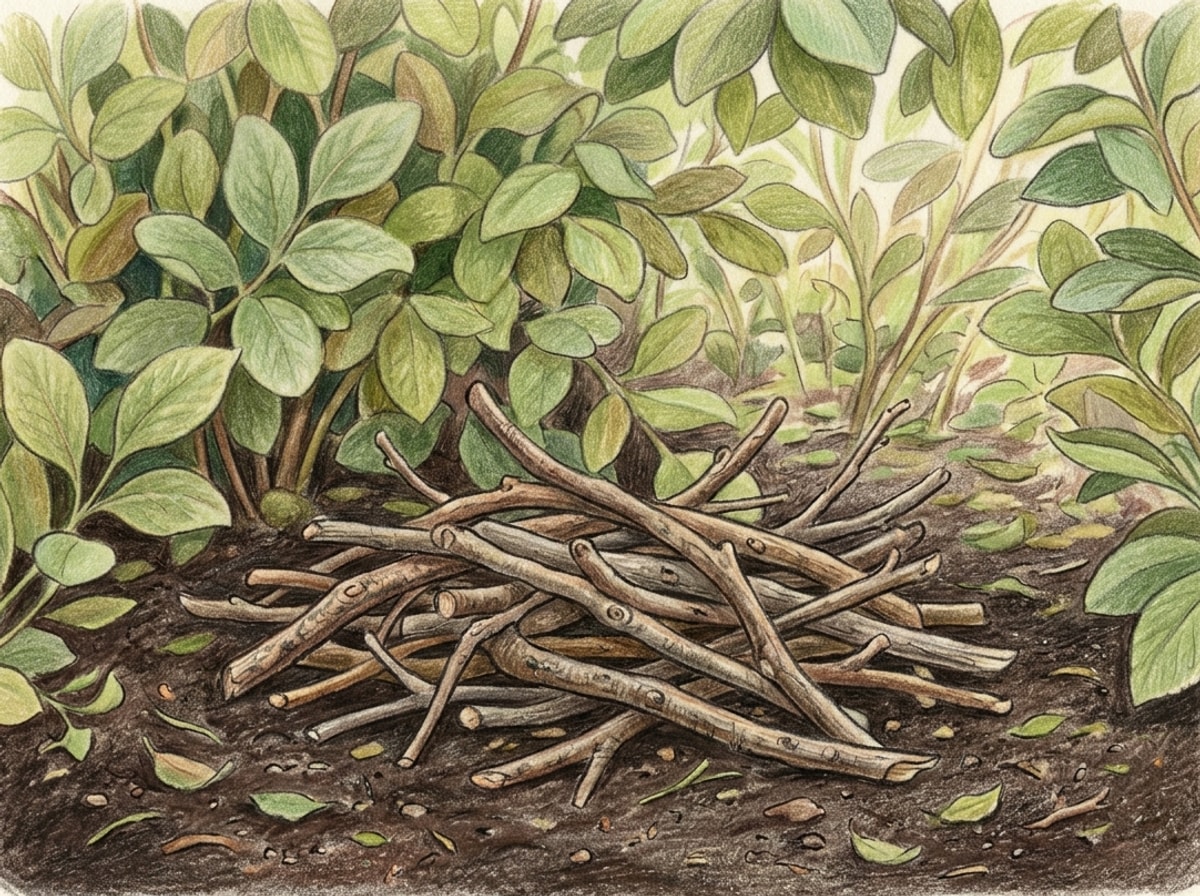
Collect small fallen twigs and sticks from around your garden.
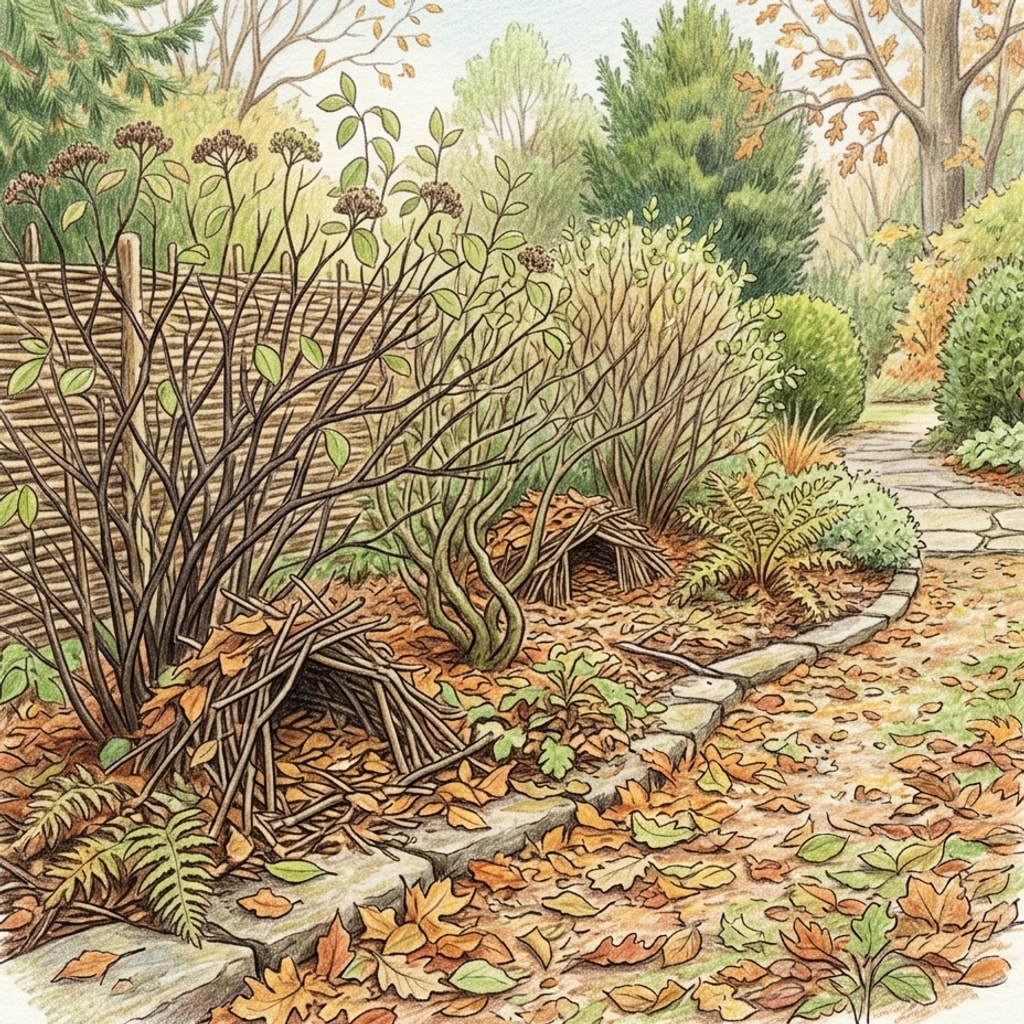
Choose a quiet, out-of-the-way corner that will not be disturbed over the coming weeks.
Stack the twigs loosely on top of bare soil or beneath a shrub.
Leave the pile untouched so ground beetles can move in.
Why it works
Ground beetles are natural predators that eat slugs, snails, and vine weevil larvae. Loose piles of dead wood create dark, damp microhabitats where these insects can shelter, hide from predators, and stay protected during cold spells.
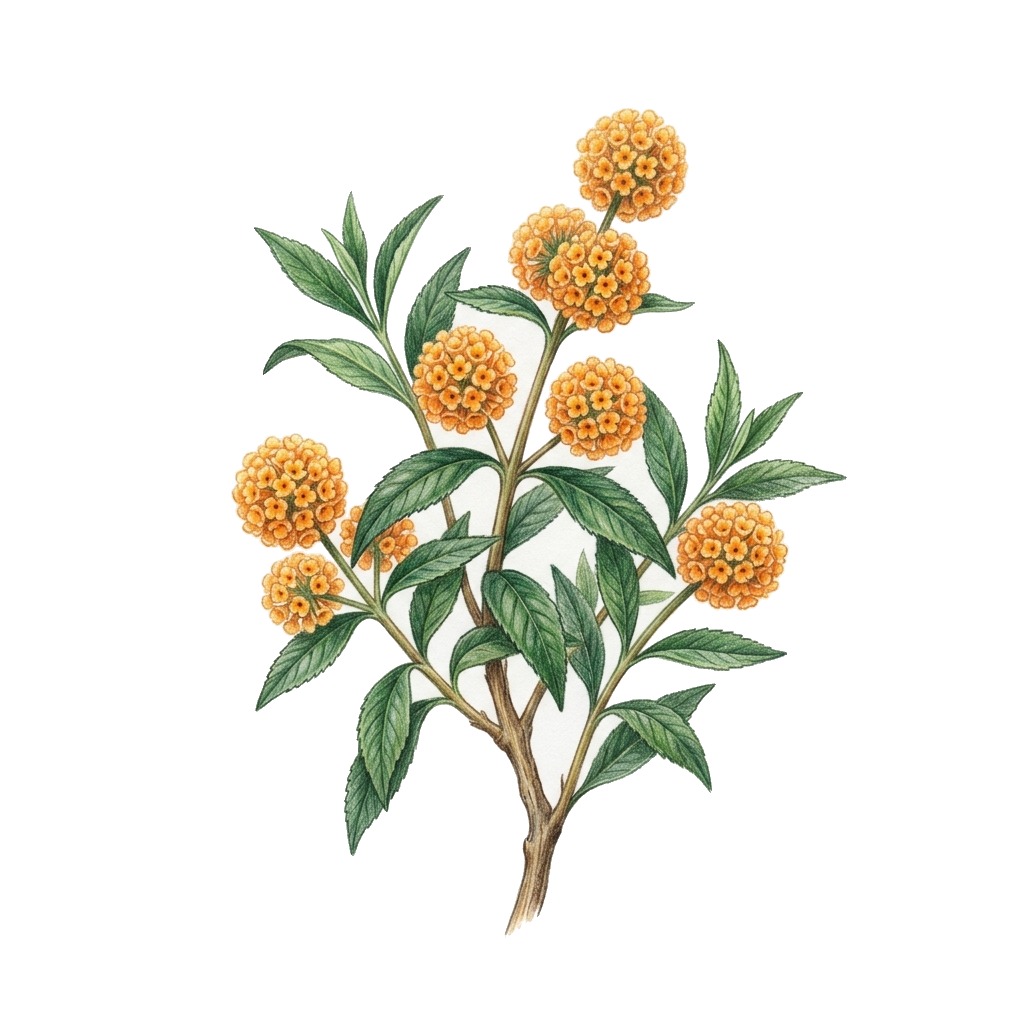
A semi-evergreen shrub from Chile and Argentina. It is famous for its unique, honey-scented, globe-shaped orange flower heads that appear in late spring.
How plants reuse existing genes to adapt to changing environments
Researchers analyzed how plants repurpose existing genes to form completely new features. This process allows plants to adapt their physical traits without needing entirely new genetic mutations. Understanding this mechanism helps explain how wild species build resilience and diversify over time.
Canadian botany pioneer George Lawson passed away in 1895
Scottish-born botanist George Lawson died on 10 November 1895 in Nova Scotia. He helped establish one of Canada's first botanical gardens while teaching chemistry and natural history. Lawson is widely regarded as the founder of professional botanical science in Canada.