Daily gardening tip · Northern hemisphere · Saturday 10 October 2026 · mid autumn
Why Big Branches Stall Your Compost Pile
Many new gardeners believe that any organic waste, no matter its size, will quickly break down if you throw it into a compost bin.
15 minuteseasycompost
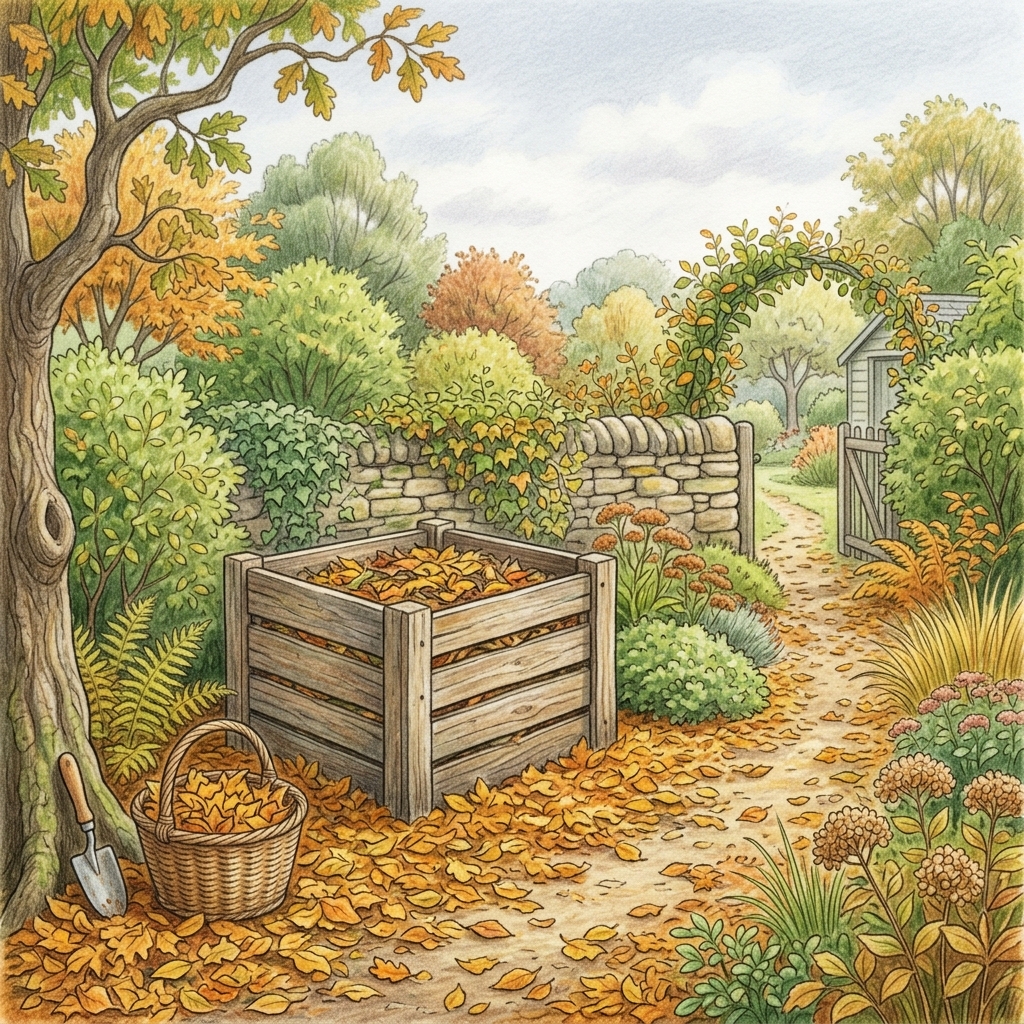
Separate thick, woody autumn branches from your soft, green garden waste.
Set aside any branches that are thicker than a pencil.
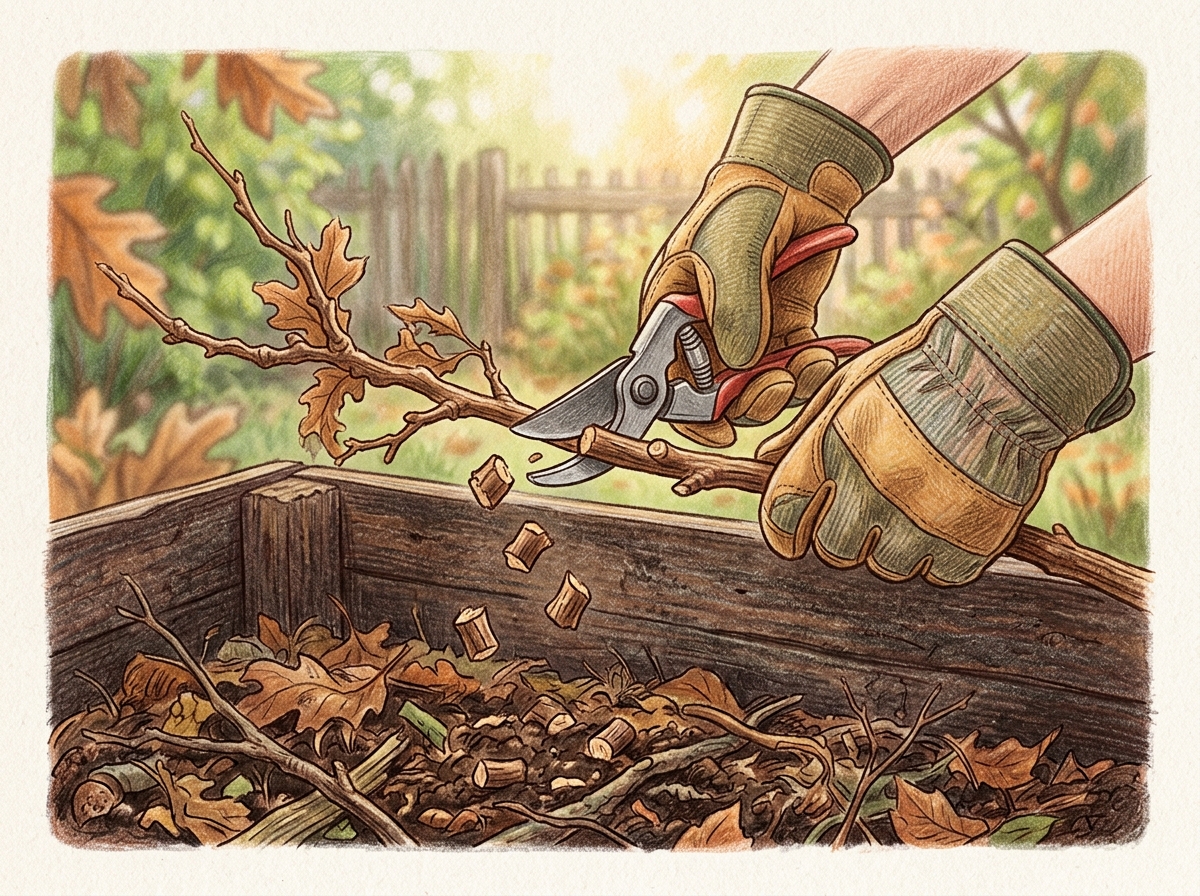
Use pruners or a garden shredder to chop these thick branches into pieces under one inch long.
Scatter these small woody pieces thinly throughout the pile rather than piling them in one dense layer.
Why it works
Compost microbes need moisture, oxygen, and easy access to plant tissues to break them down. Large, whole branches have very little surface area and contain a tough compound called lignin that resists decay. Leaving branches whole blocks airflow and takes years to rot, which cools down your pile and stalls the entire decomposition process.
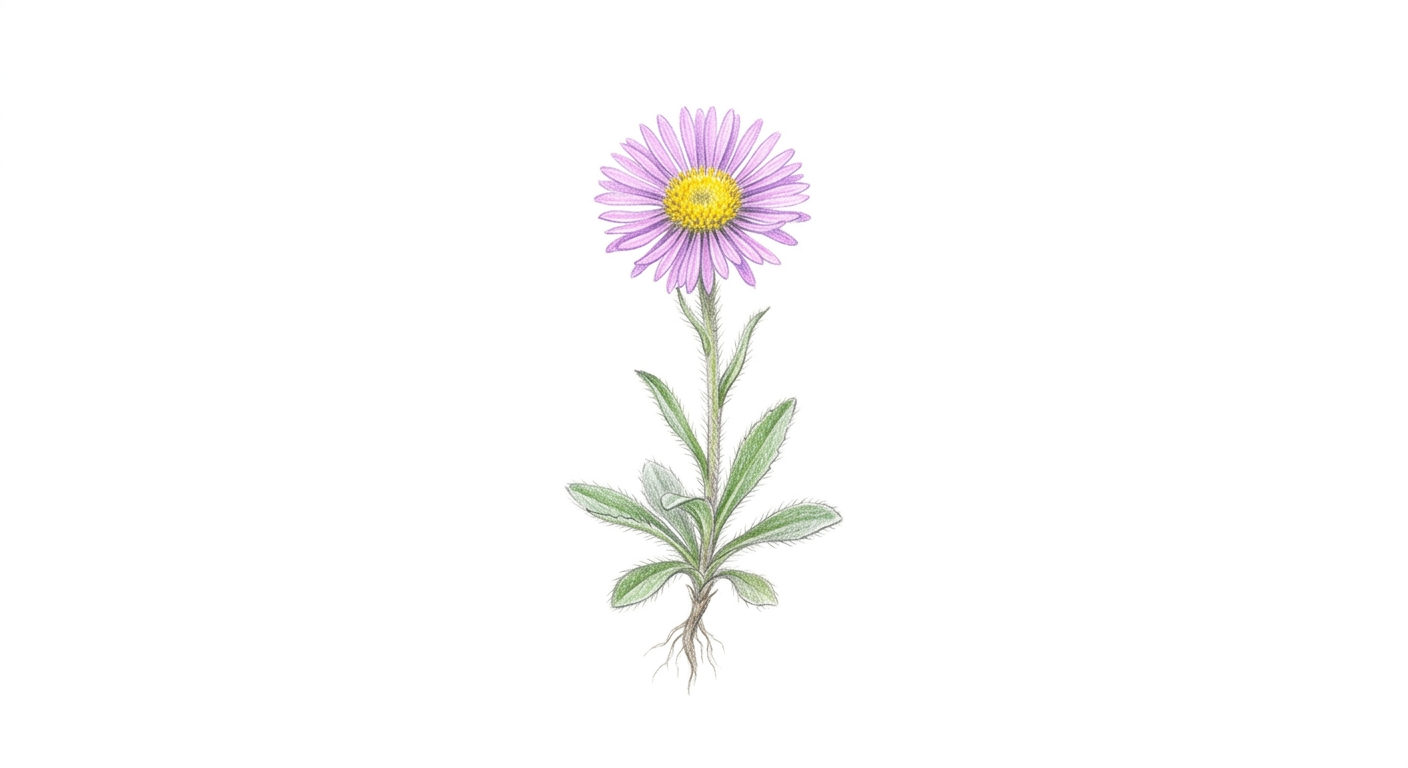
A low-growing alpine perennial endemic to the mountains of Alaska. It produces solitary daisy-like flowers with blue-to-purple rays and yellow centers, emerging shortly after snowmelt.
Researchers at North Carolina State University developed a protective textile cover called Plant Armor to shield strawberry plants. The open mesh material blocks insect pests while still letting light, rain, and fresh air reach the crops. In field trials, the covered plants yielded up to three times as much fruit as uncovered plants without harming plant health.
American botanist Humphry Marshall was born in Pennsylvania on 10 October 1722. He created one of the earliest botanical gardens in the United States to cultivate native and exotic species. In 1785, he published the first comprehensive catalogue written by an American on native trees and shrubs.