Daily gardening tip · Northern hemisphere · Thursday 1 October 2026 · mid autumn
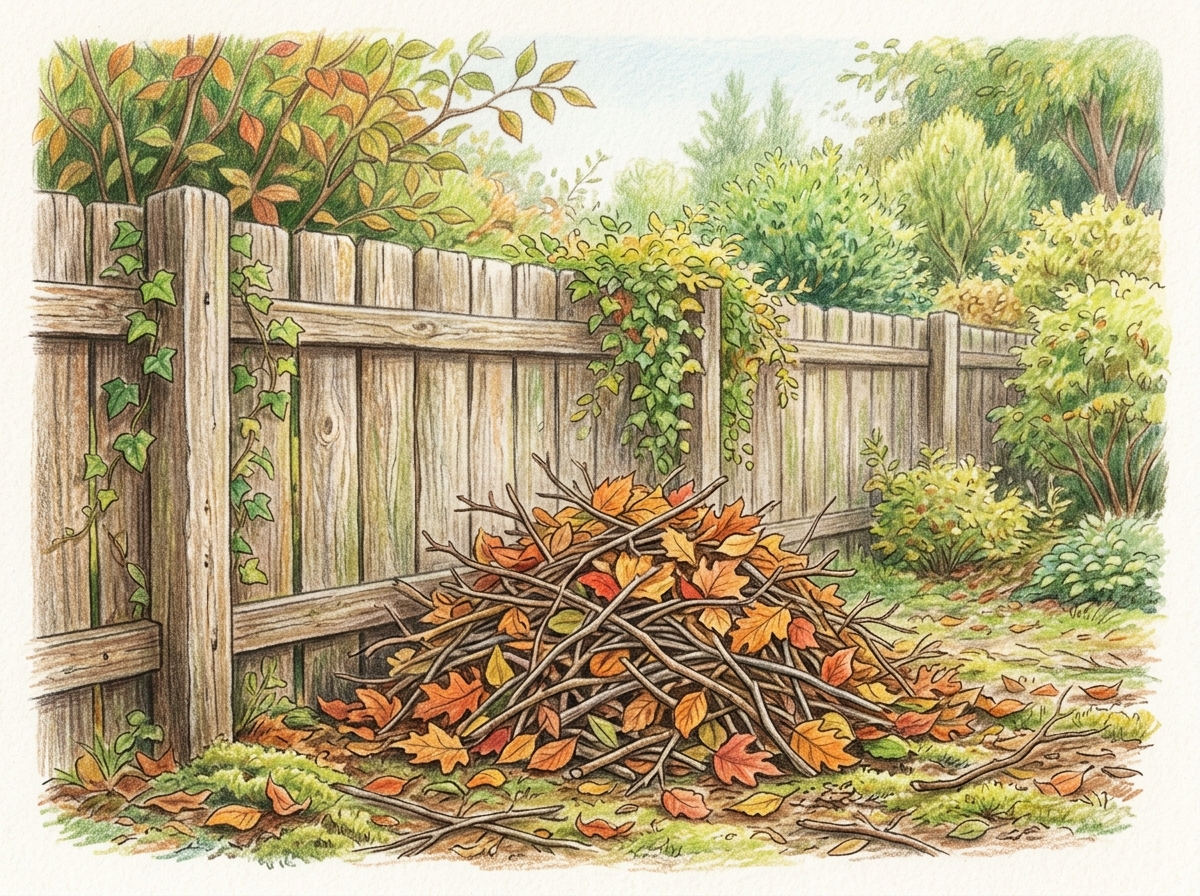
Create a Quiet Shelter for Hibernating Wildlife
As temperatures drop in mid-autumn, beneficial garden creatures need a safe, dry place to sleep through the winter.
15 minuteseasywildlife
Choose a quiet, out-of-the-way corner of your garden that will not be disturbed over winter.
Gather dry twigs, small branches, and fallen leaves from around your yard.
Pile the twigs loosely in your chosen spot to create small gaps and hollows.
Cover the pile with a thick layer of dry leaves to insulate the structure against the cold.
Why it works
A loose pile of wood and leaves mimics natural woodland debris. The structure creates small, insulated air pockets that shield beneficial insects like ladybugs, as well as larger helpers like hedgehogs, from freezing temperatures and predators.
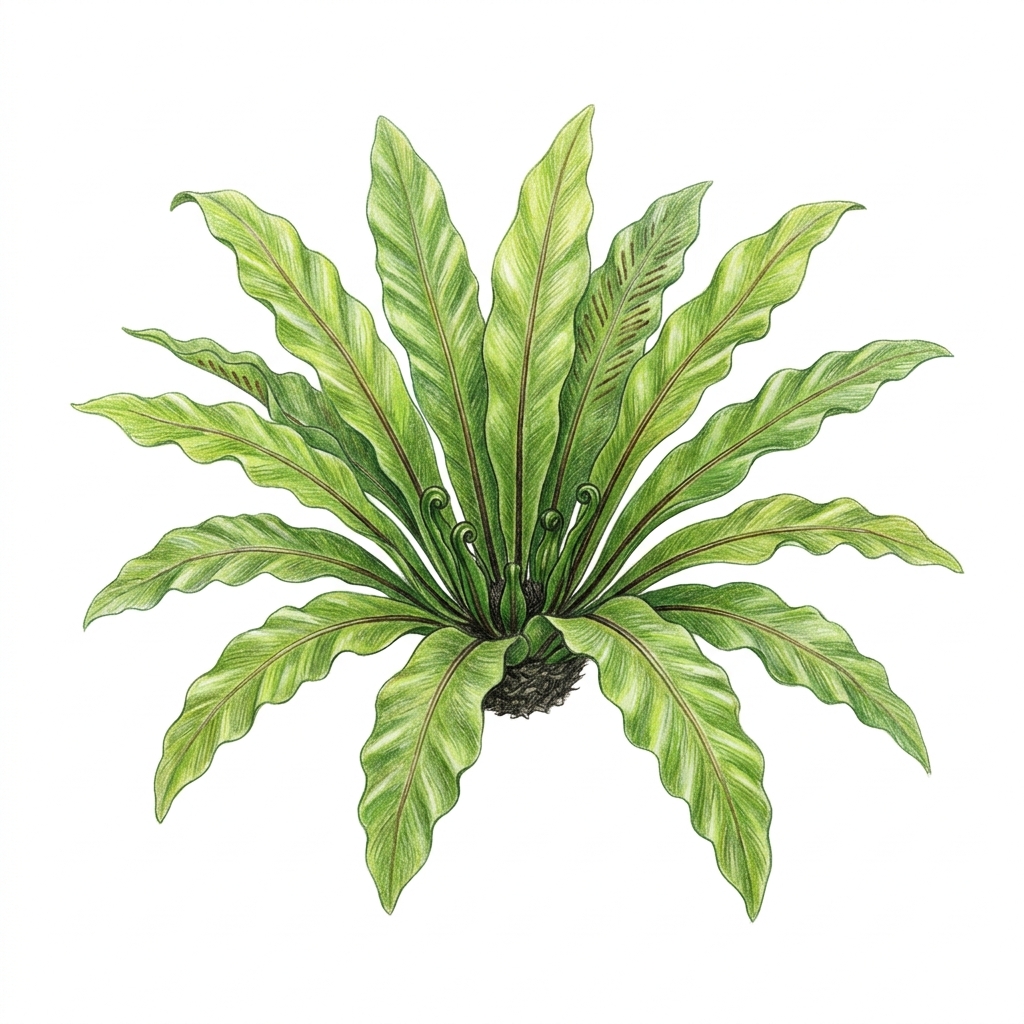
An impressive epiphytic or lithophytic fern forming a large, bowl-shaped rosette of glossy, undivided light green fronds. A strong central midrib gives structure to the arching fronds, which naturally collect falling organic matter to nourish the root system
RHS launches study to address future skills gaps in public gardens
A major British gardening organization is starting a study to find out what skills workers will need to care for public gardens in the future and where there are shortages of staff.
New Fabric Cover Tripled Strawberry Yields in Field Tests
Scientists created a specialized three-dimensional fabric cover to protect crops from pests. In field trials, placing this mesh material over strawberry plants increased fruit yields by more than three times. The breathable fabric stops insects without blocking air or water, offering home and commercial growers a way to lower pesticide use.
National Garden Opened at the United States Botanic Garden
On 1 October 2006, the National Garden officially opened to the public in Washington, D.C. The outdoor facility was designed to demonstrate sustainable gardening methods and highlight regional native plants. Its three acres include dedicated spaces for roses, pollinators, and mid-Atlantic ecosystems.