Daily gardening tip · Northern hemisphere · Saturday 29 August 2026 · late summer
Spotting Mite Webs on Dry Foliage
Hot, dry late-summer weather creates the perfect conditions for tiny pests that can quietly damage your plants.
5 minuteseasypests
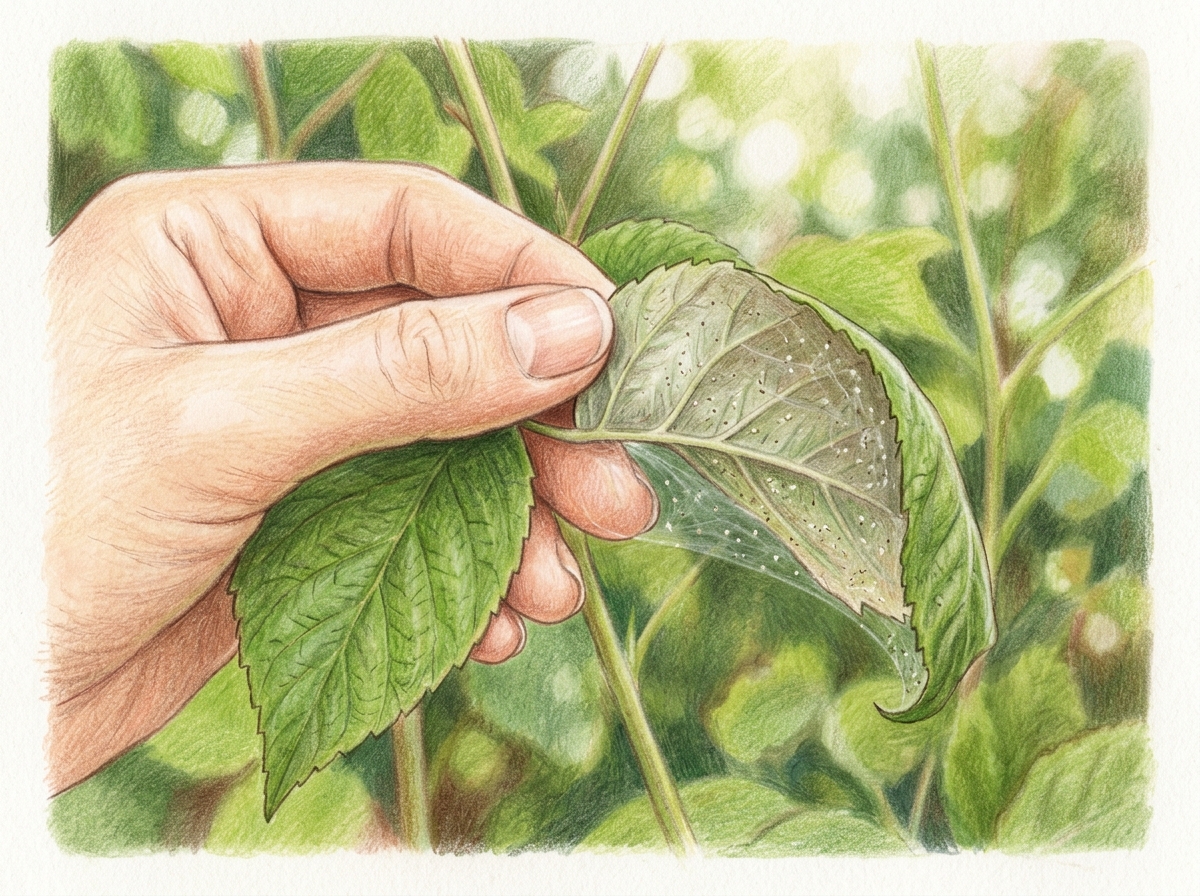
Select a plant that looks slightly dusty, pale, or has speckled yellow leaves.
Gently turn over several leaves to inspect their undersides.
Look closely for extremely fine, delicate webbing stretched across the leaf veins.
Hold a clean sheet of white paper directly beneath the leaf.
Tap the leaf sharply and watch the paper for tiny, crawling specks.
Why it works
Spider mites are microscopic pests that thrive in dry, warm late-summer conditions. They feed on plant sap from the undersides of leaves, and because they are too small to see easily, looking for their signature fine webbing and using the paper-tapping test are the most reliable ways to catch an infestation early.
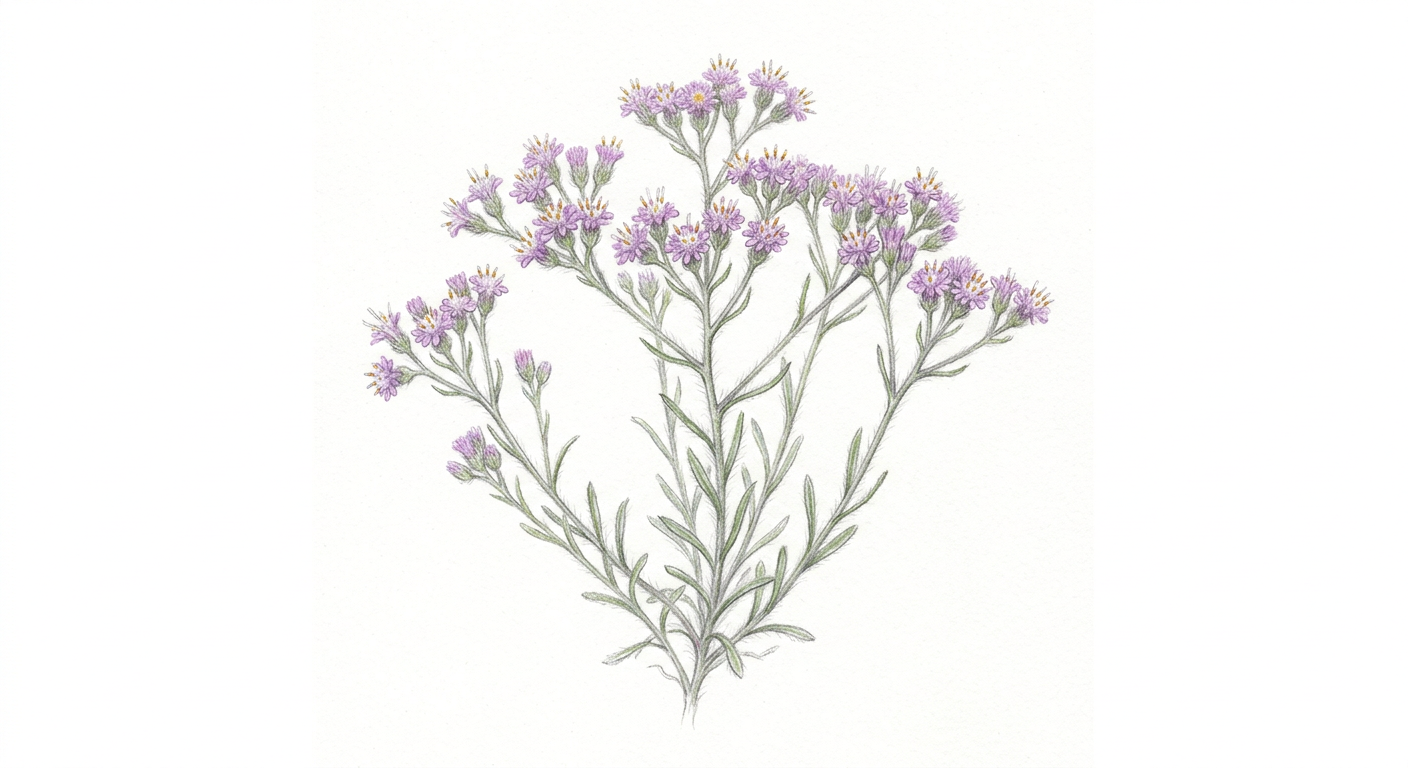
A rare annual herb endemic to the serpentine soils of the San Francisco Bay Area. It is covered in cobweb-like hairs and produces small lavender flower heads in late summer.
Discovery of a protein mechanism that helps plants survive extreme heat
Plants open tiny leaf pores called stomata to release water vapor and keep cool during hot weather. Researchers found that a protein named UBP24 acts as a molecular switch that keeps these leaf pores open under heat stress. Understanding this mechanism can help scientists breed crops that are more resilient to rising global temperatures.
French botanist Aimé Bonpland was born on 29 August 1773. He traveled extensively through South America with Alexander von Humboldt, collecting thousands of plant species previously unknown to European science. He later served as the superintendent of Empress Josephine's gardens at Malmaison.