Daily gardening tip · Northern hemisphere · Monday 17 August 2026 · late summer
Why Tough Summer Stems Belong in Your Compost
Many beginners believe that tough, woody plant stems from late-summer clean-up will ruin their compost pile, but these rigid materials are actually essential.
15 minuteseasycompost
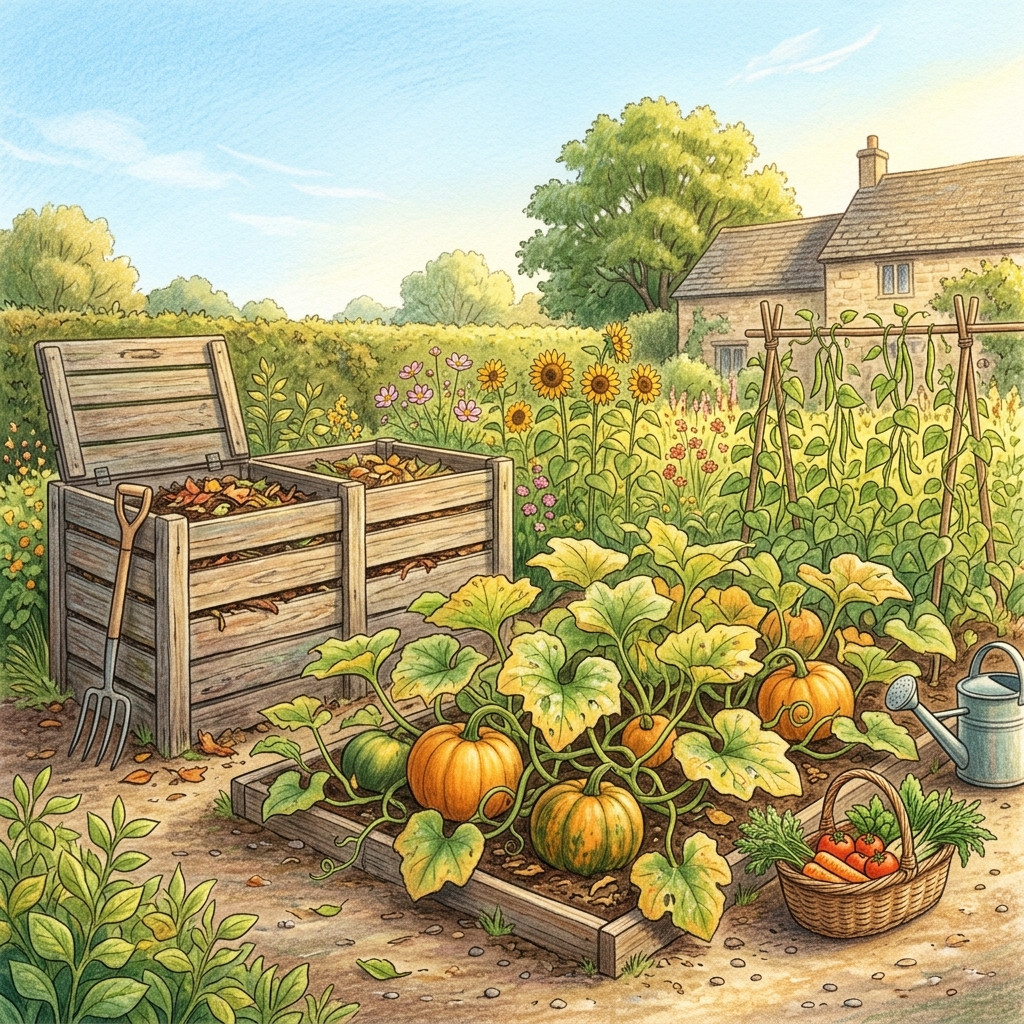
Gather spent late-summer plants, such as tomato vines, squash vines, or sunflower stems.
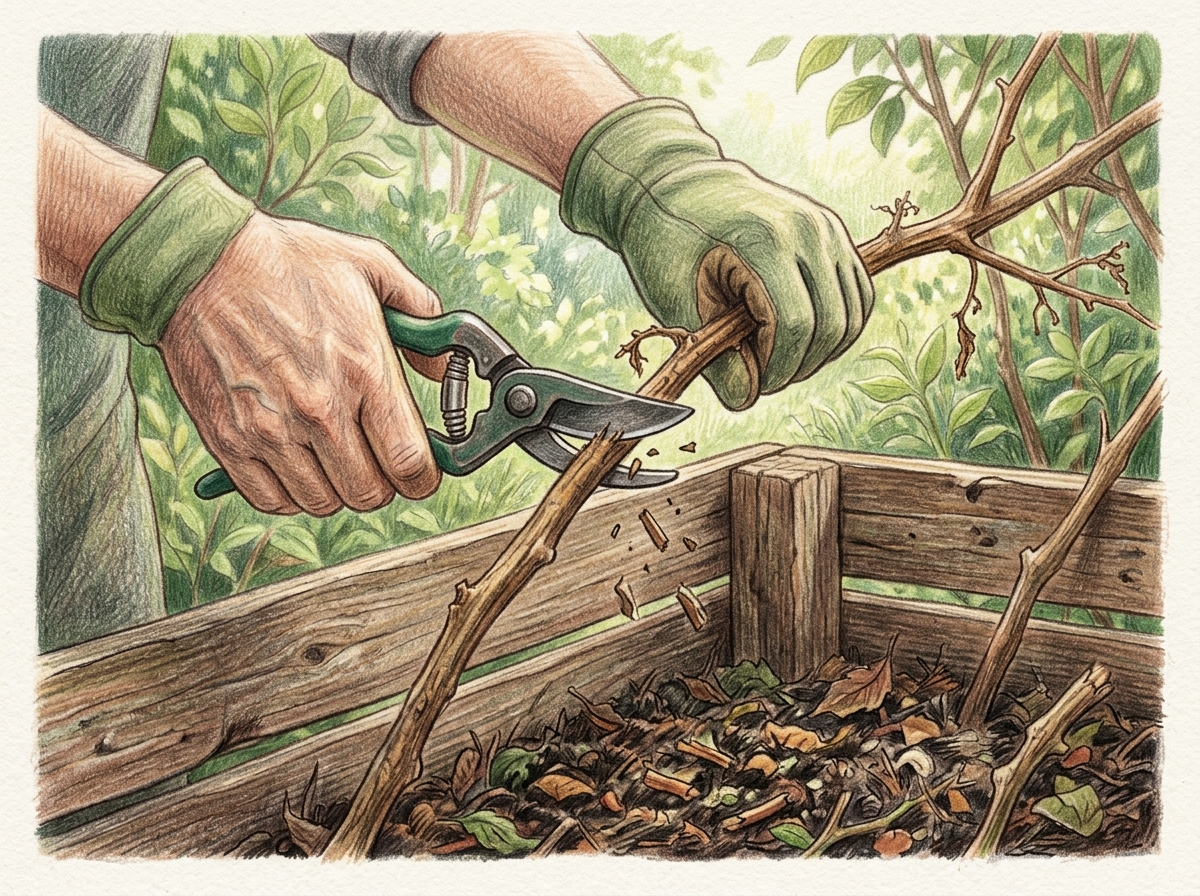
Use hand pruners to chop these woody stems into pieces that are two to three inches long.
Scatter the chopped stems throughout your compost pile rather than leaving them in one thick clump.
Layer your wet kitchen scraps or fresh green garden waste directly on top of these woody pieces.
Why it works
Tough, woody stems decompose slowly, which keeps the compost pile from packing down into a solid mass. These rigid pieces create tiny air pockets that allow oxygen to reach the beneficial bacteria, preventing the pile from becoming smelly and slimy.
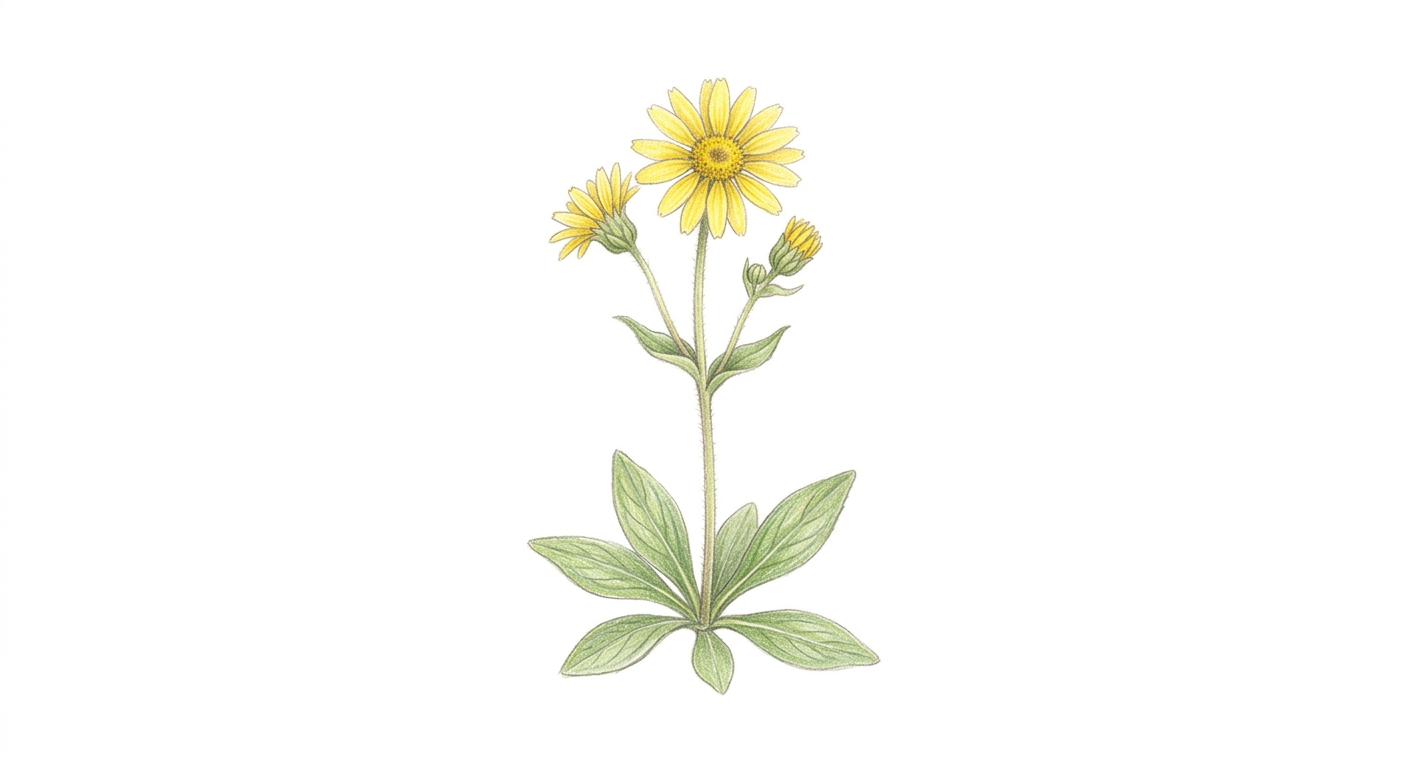
A perennial herb with a solitary stem arising from a rhizome, typically found in alpine and subalpine meadows, open woodlands, and moist tundra. It features basal leaves and bright yellow, daisy-like flower heads.
RHS calls for autumn planting as heat and drought reshape gardens
A major gardening organization is advising people to plant in the autumn because hot and dry summer weather is putting too much stress on gardens and new plants.
Botanist and Conservationist William Carey Was Born in 1761
British botanist and conservationist William Carey was born on 17 August 1761. During his time in India, he established a major botanical garden in Serampore and founded the Agri-Horticultural Society of India. He published works on regional flora and advocated for natural habitat protection.