Daily gardening tip · Southern hemisphere · Friday 27 November 2026
Deadhead Perennials for Continuous Flowers
Removing faded blooms from your perennial plants keeps them looking tidy and encourages a steady supply of new flowers over the coming weeks.
15 minuteseasypruning
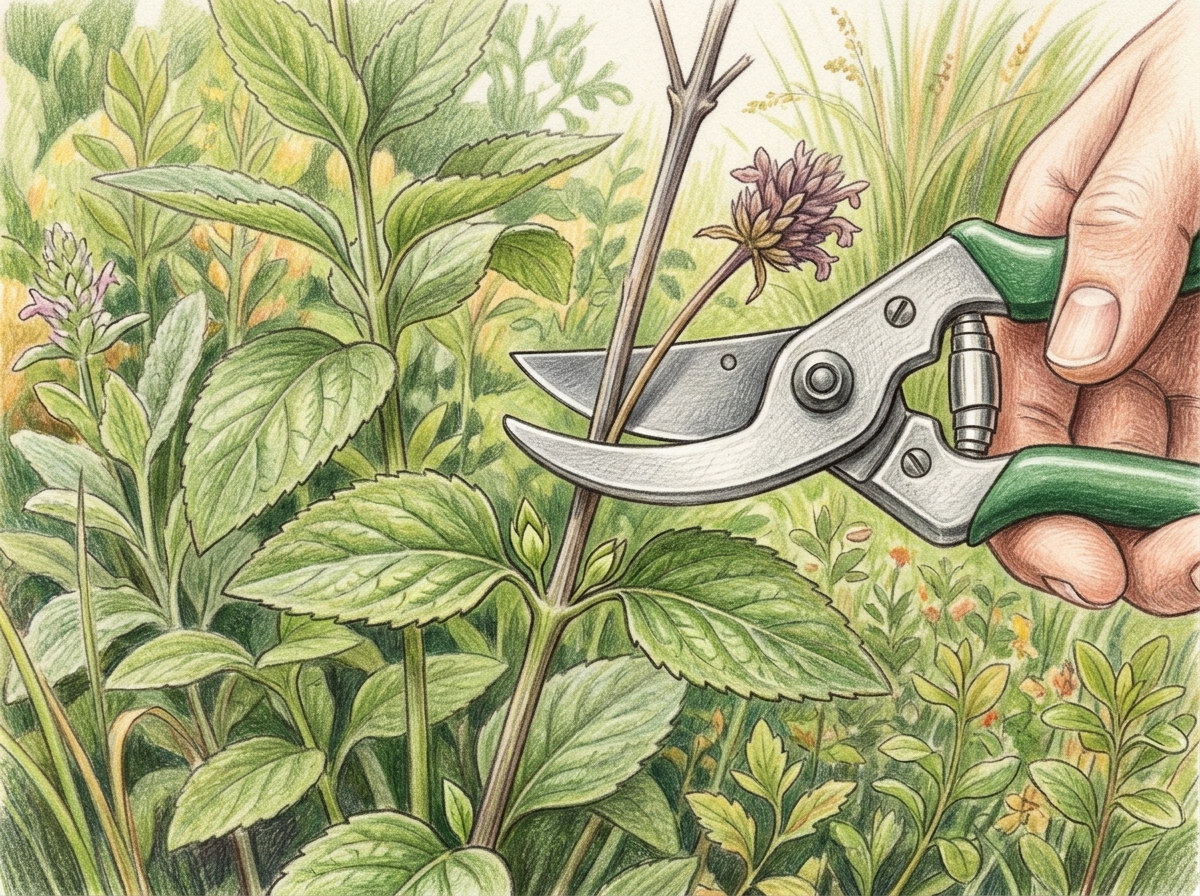
Walk around your garden beds and inspect your flowering perennial plants.
Identify individual flower heads that have faded, turned brown, or dropped their petals.
Follow the stem of the old flower down to where it meets the next set of healthy leaves or a new side bud.
Snip the stem clean off at that point using sharp hand pruners or snips.
Collect the cut stems and add them to your compost bin.
Why it works
Once a flower finishes blooming, the plant naturally shifts its energy toward producing seeds. By cutting off spent flowers before seed heads form, you signal the plant to redirect its nutrients into growing fresh green shoots and developing new flower buds instead.
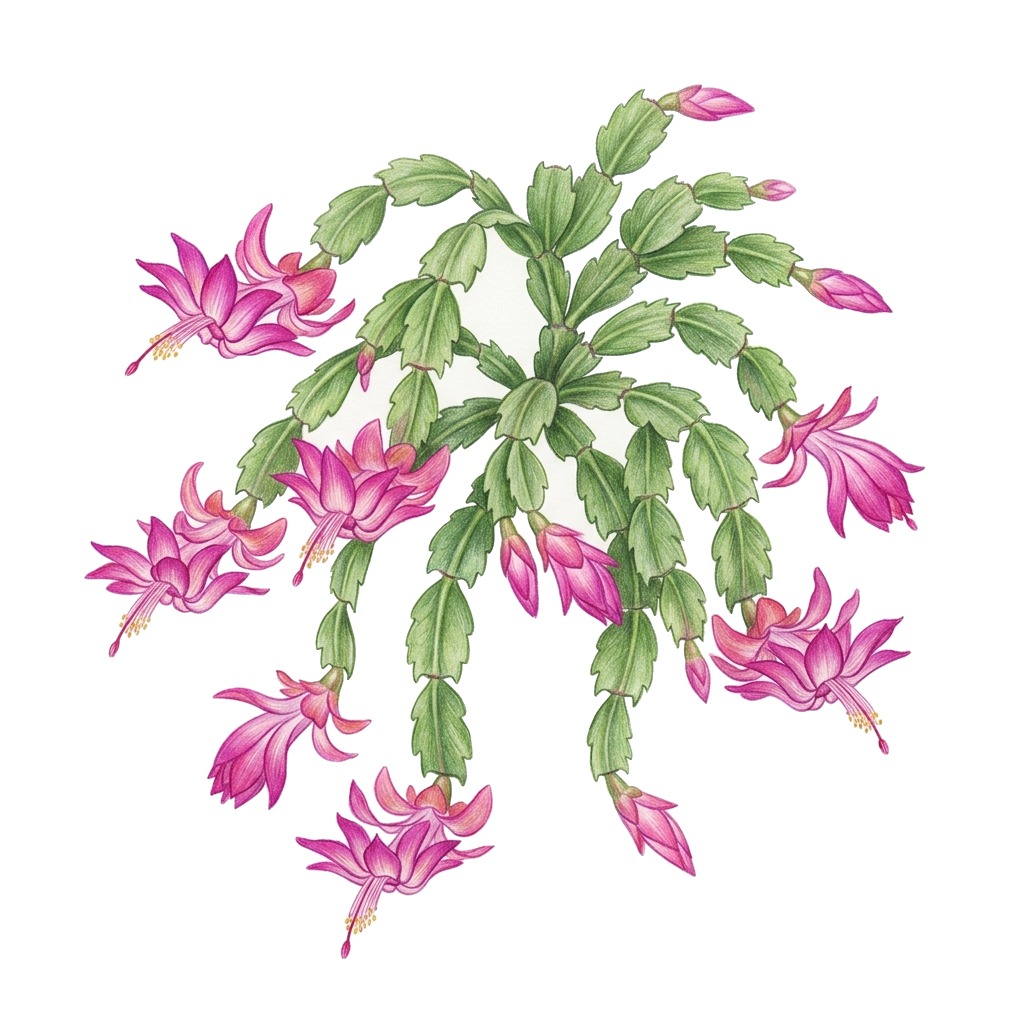
A popular epiphytic cactus native to the coastal rainforests of southeastern Brazil. It features arching, flattened green stem segments with rounded margins and produces pendulous, tubular flowers at the stem tips in late autumn and winter.
Liz Nicholson, who runs a plant business, chose to keep ownership within her staff rather than sell to outside investors and shared her experiences navigating recent business challenges while expanding and focusing on environmental goals.
Scientists Turn Carbon Dioxide Into Edible Protein Using Fungi
Researchers developed a system that uses electricity and a custom catalyst to turn waste carbon dioxide into edible protein. The catalyst creates molecules that a fast-growing fungus consumes to produce nutrient-rich food. This process offers a sustainable way to produce food without requiring vast amounts of land and water.
Prussian-born botanical collector Augustus Fendler died on November 27, 1883, in Port of Spain, Trinidad. He spent decades traveling through North and South America to gather thousands of plant specimens. His extensive collections helped botanists identify and classify numerous new plant species.