Daily gardening tip · Southern hemisphere · Tuesday 6 October 2026 · mid spring
Why Plant Flowers Next to Your Vegetables?
If your spring vegetable plants are flowering but not producing crop, they likely need a visit from local pollinating insects.
20 minuteseasywildlife
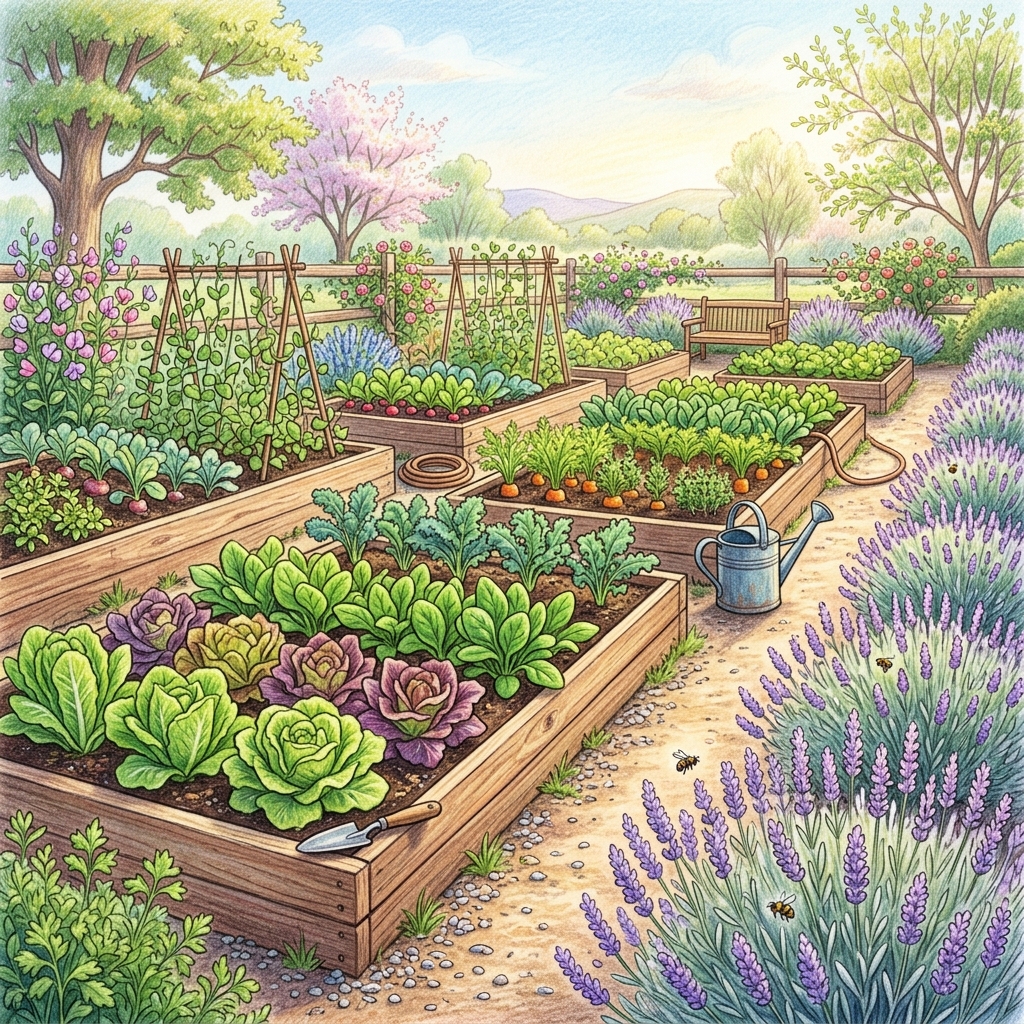
Choose a sunny spot right at the edge of your vegetable patch.
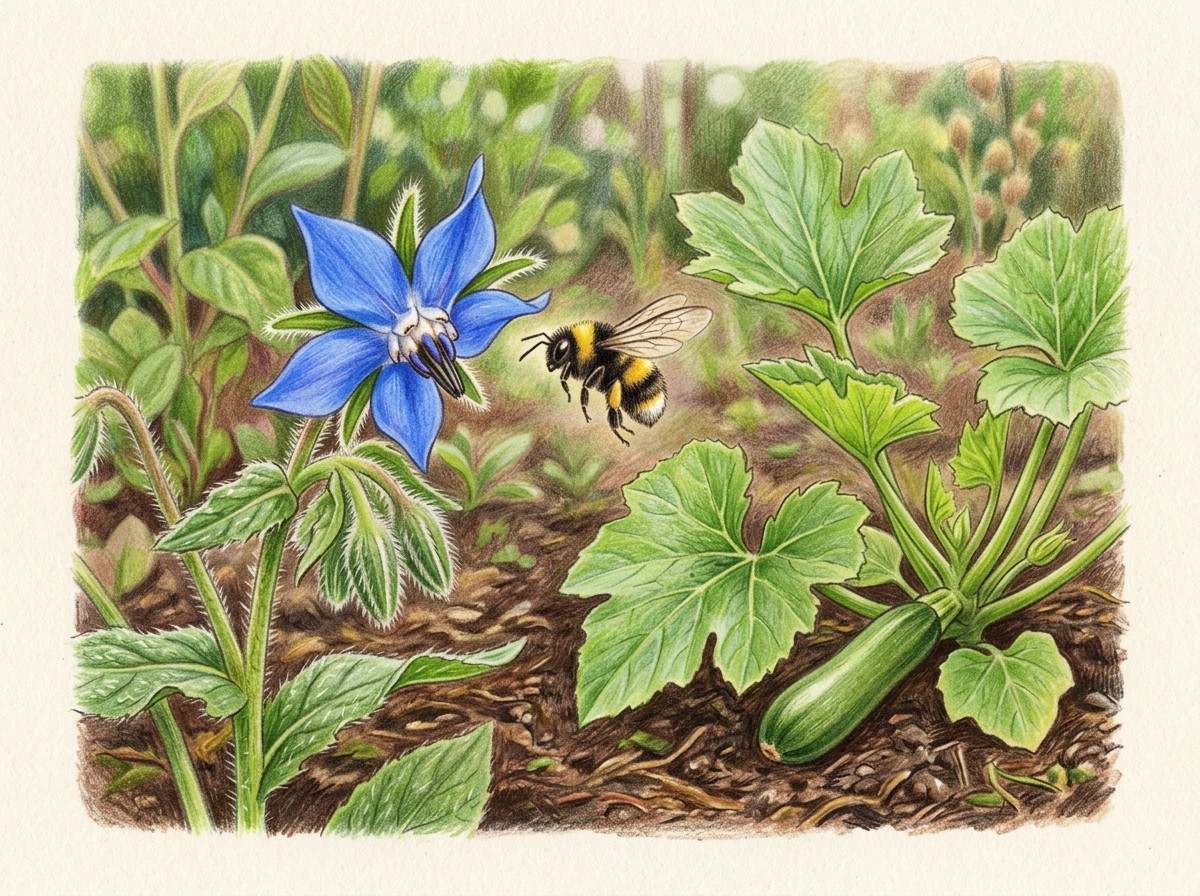
Select bright, nectar-rich flowering plants like borage or lavender from your local garden center.
Dig a hole twice the width of the plant's root ball in your selected spot.
Place the flowering plant into the hole, backfill with soil, and press down gently.
Water the new plants thoroughly to help them settle into their new home.
Why it works
Bright, nectar-rich flowers act as visual beacons for native bees and other pollinators. By planting borage or lavender right next to your vegetables, you draw these beneficial insects directly to your crops, ensuring your vegetable flowers get pollinated and successfully turn into food.
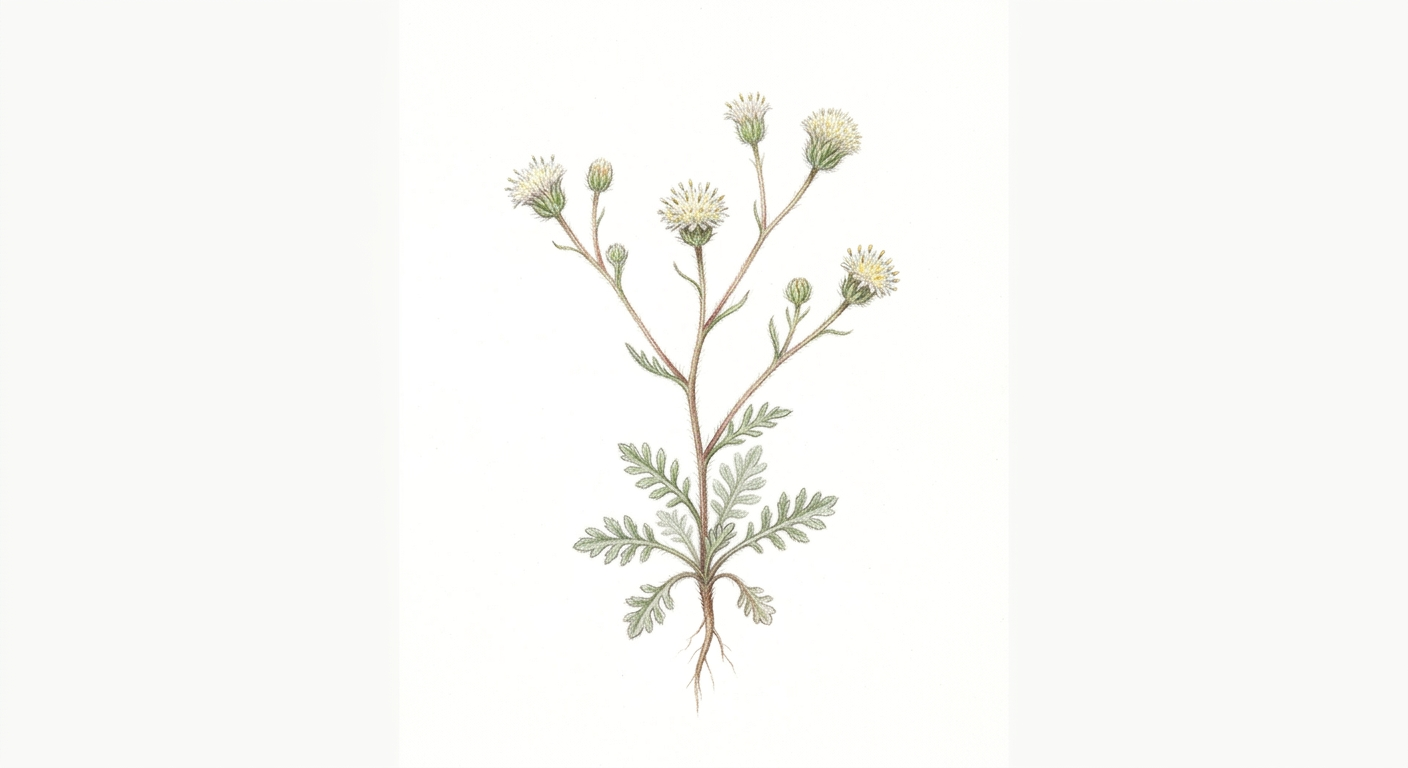
A rare annual herb endemic to the volcanic ash soils of eastern Oregon and Idaho. It produces small, white-to-pinkish flower heads that resemble pincushions.
A conservation charity predicts that this autumn's tree colors will be very bright but hard to predict, because the unusually hot and dry summer has caused some trees to lose their leaves early while helping others become more colorful.
Aspen leaf cells shift shape during dry weather conditions
Researchers at the Umeå Plant Science Centre found that aspen leaf cells alter their physical shape when experiencing drought. Leaf surface cells usually fit together like jigsaw puzzle pieces under internal pressure as the leaf grows. Understanding how a specific gene controls this mechanism helps show how plants react to water stress.
American physician and botanist Charles Wilkins Short was born
American botanist Charles Wilkins Short was born on 6 October 1794 in Kentucky. He collected over fifteen thousand plant specimens and created one of the largest private herbaria of his era. Several plant species and the North American genus Shortia were later named in his honor.