Daily gardening tip · Southern hemisphere · Friday 18 September 2026 · early spring
Find Your Last Frost Date
Every new gardener wonders when it is safe to plant tomatoes and basil outside without them dying in a sudden freeze.
10 minuteseasyplanning
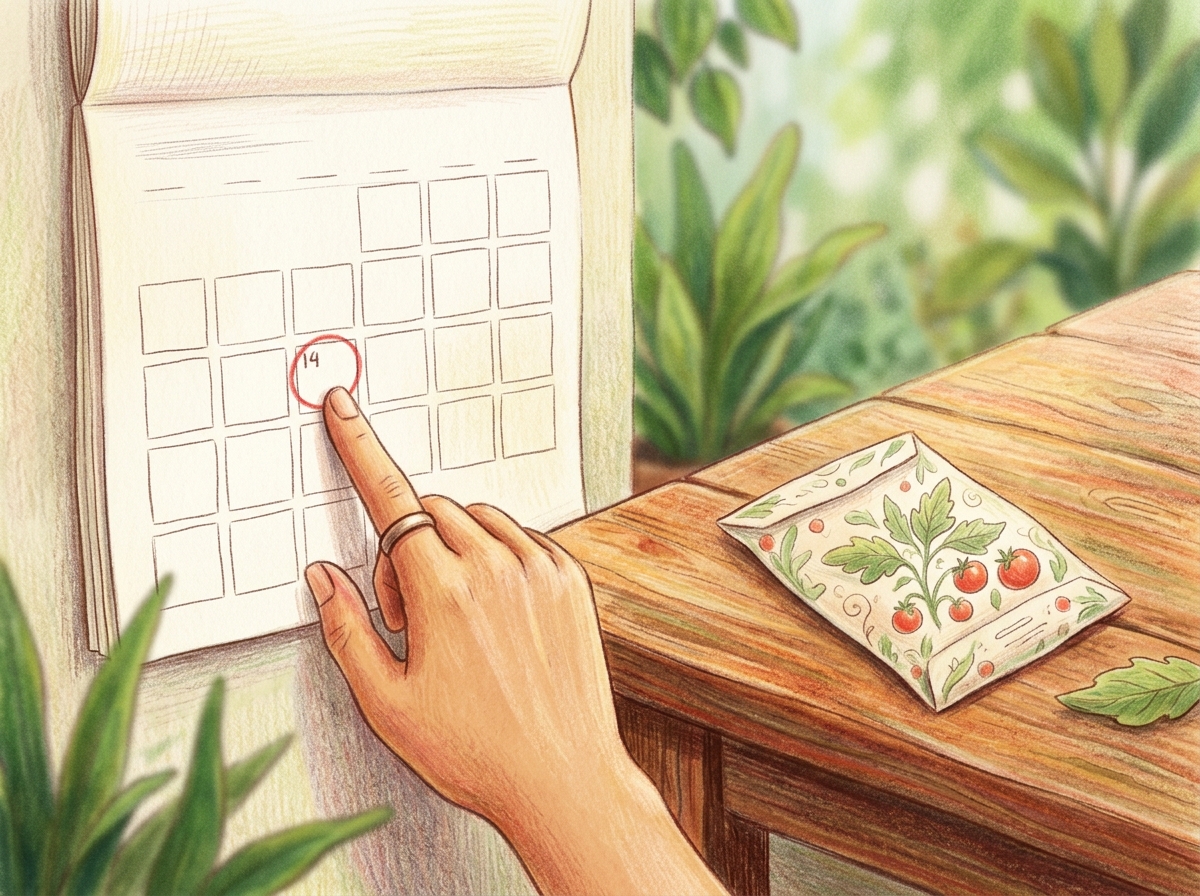
Search online for a regional gardening calendar or agricultural bureau website for your area.
Look up the average last frost date for your specific postcode or suburb.
Write this date down on your garden calendar as your seasonal starting line.
Plan to keep warm-season seedlings indoors until at least two weeks after this date has passed.
Why it works
Warm-season plants have no natural defense against freezing temperatures. Knowing your local last frost date helps you avoid planting too early, protecting your vulnerable seedlings from fatal cold damage.
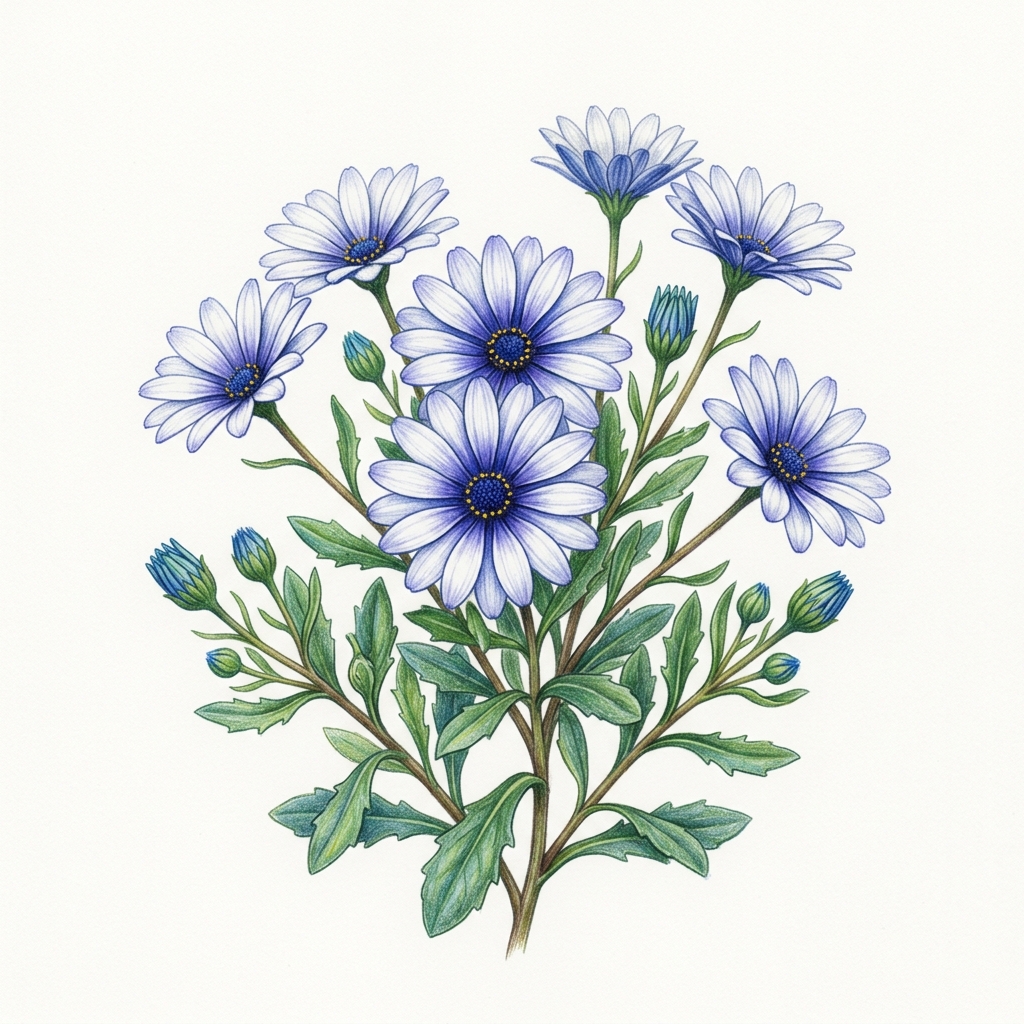
A bushy, tender evergreen perennial or subshrub known for its abundant daisy-like flowers featuring white ray petals and deep blue-purple central discs. Native to South Africa, it forms compact mounds of slender, aromatic foliage
Coastal monkeyflowers show how plants adapt to salt spray
Scientists found that coastal monkeyflowers survive salty air by absorbing less salt into their leaves than inland plants. The flowers also build up a higher natural tolerance to any salt that enters their tissue. This discovery could help experts develop crop plants that tolerate salt water or roadside runoff.
Pioneer horticulturist Bernard M'Mahon died on this day in 1816
Early American horticulturist Bernard M'Mahon passed away in Philadelphia on 18 September 1816. He published one of the first comprehensive seed catalogs and gardening calendars in North America. He was also chosen to cultivate and preserve plant specimens brought back by the Lewis and Clark expedition.