Daily gardening tip · Southern hemisphere · Thursday 17 September 2026 · early spring
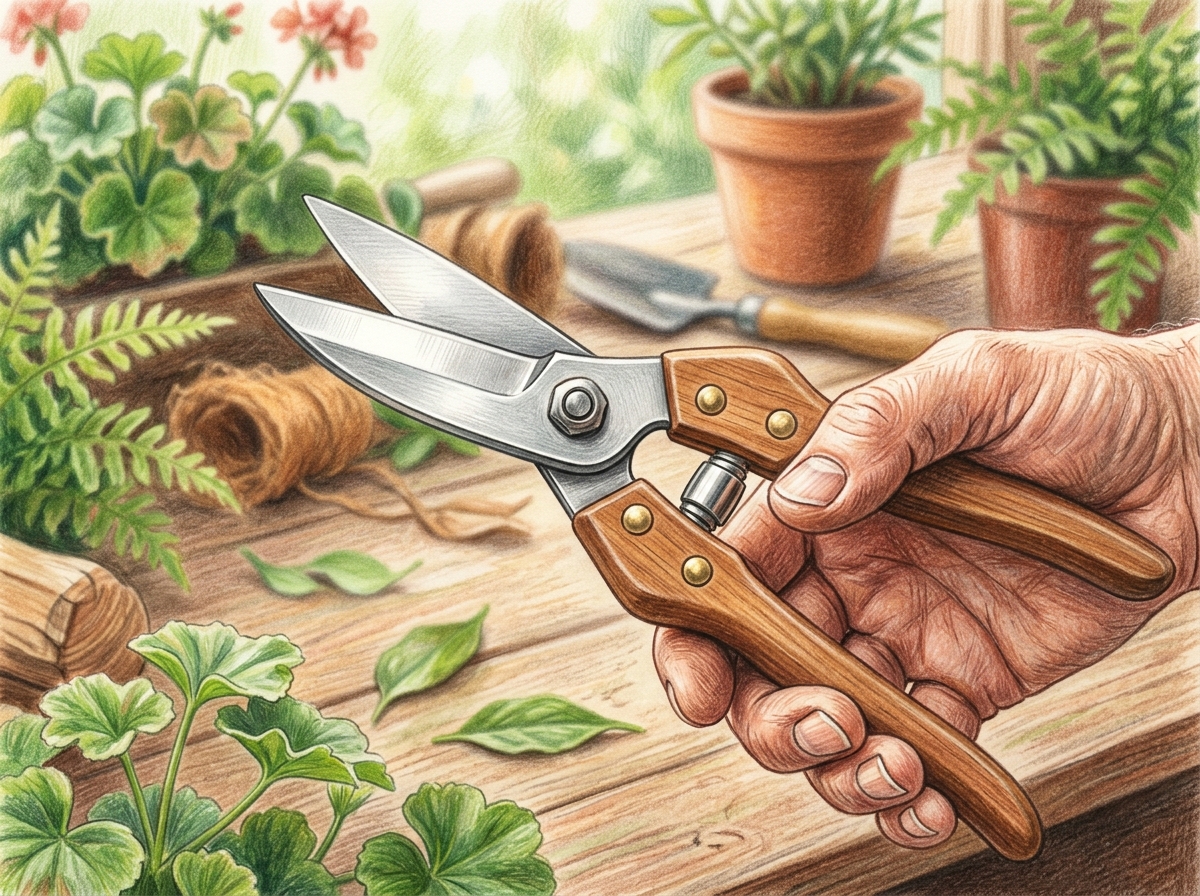
Inspect Your Pruning Shear Blades
Before you start your spring pruning, check your shears to make sure they will not damage your plants.
10 minuteseasytools
Wipe any dirt or dried sap off your pruning shear blades with a damp cloth.
Hold the blades up to the light and look closely for rust spots or small nicks along the cutting edge.
Test the shears by cutting a piece of dry paper to see if they slice cleanly or tear it.
Wipe the blades with a light lubricating oil to prevent rust and keep the joint moving smoothly.
Why it works
Dull, nicked, or rusty blades tear through plant stems instead of slicing them cleanly. Sharp, smooth blades make precise cuts that heal quickly, while ragged tears leave open wounds that invite pests and fungal diseases into your plants.
Crocus launches new mulch combining insect frass and willow
A British company called Crocus has released a new protective soil covering made from insect waste and willow fibers that feeds plants while protecting the ground.
Researchers developed an advanced imaging system named HyperBird that scans plant leaves for microscopic changes. The system detects diseases like powdery mildew days before any symptoms appear on the surface. Catching infections early helps growers target treatments and use fewer chemical sprays.
English scientist Stephen Hales was born on 17 September 1677. He conducted early experiments to measure water movement and fluid pressure in plants. His findings helped establish the scientific foundation of plant physiology.