Daily gardening tip · Southern hemisphere · Saturday 12 September 2026 · early spring
Why to Avoid Watering Leaves in the Evening
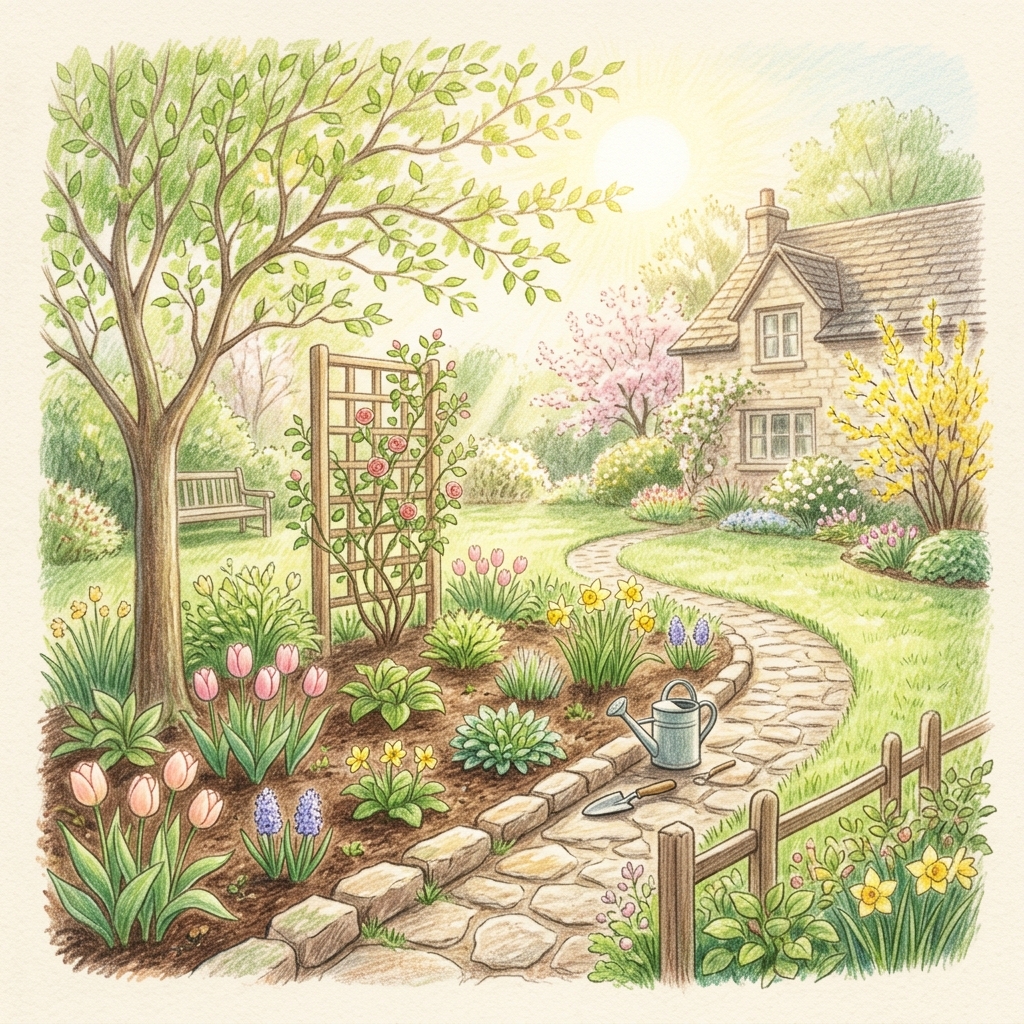
As spring brings warmer weather, leaving plant foliage wet overnight can quickly invite destructive fungal diseases into your garden.
5 minuteseasydiseases
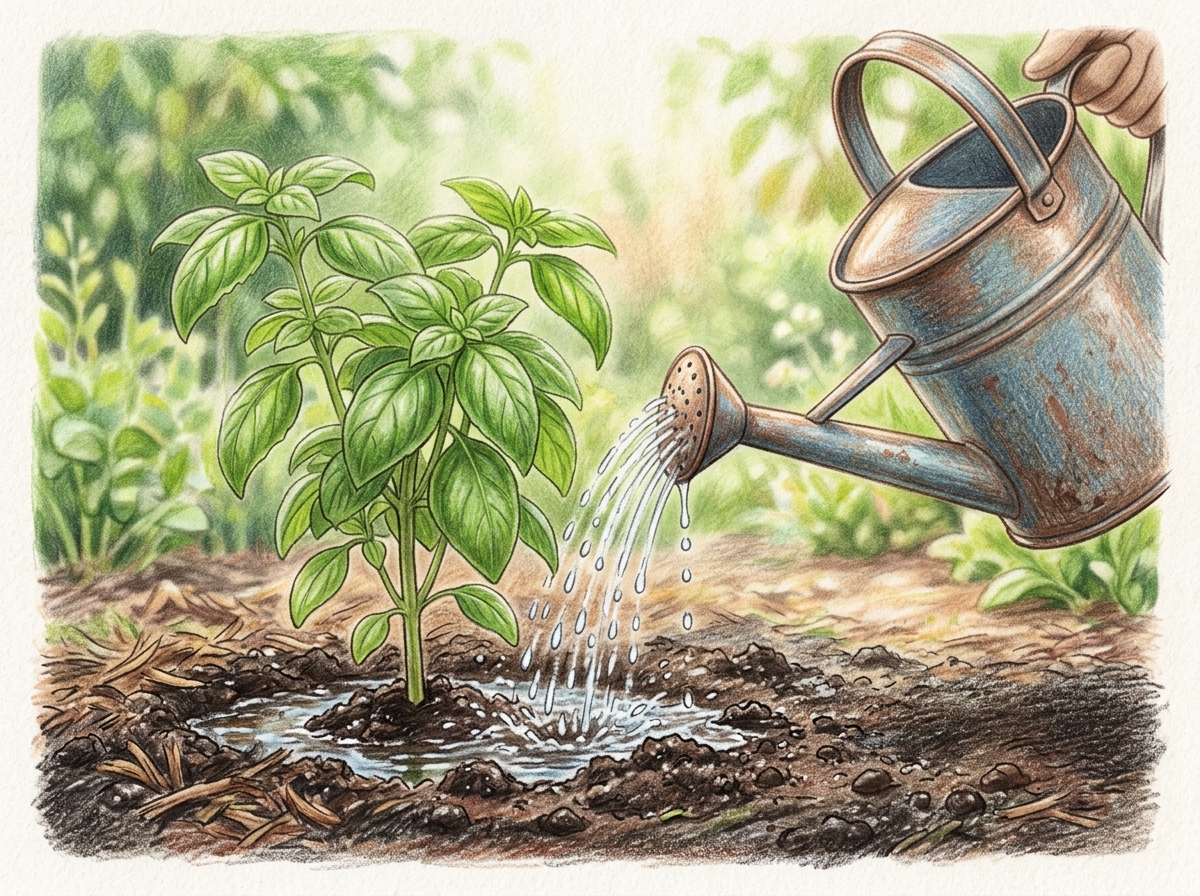
Water your garden in the morning rather than the evening whenever possible.
Aim the nozzle of your watering can or hose directly at the soil at the base of the plant.
Keep the stream of water low to avoid splashing water up onto the lower leaves.
If you must water late in the day, use a drip line or carefully pour water onto the ground without wetting the foliage.
Why it works
Fungal spores, which cause common diseases like black spot, need several hours of continuous moisture to wake up and infect a leaf. When you water in the evening, the leaves stay wet in the cool night air for hours. Morning watering allows the rising sun to quickly dry any stray moisture off the leaves, stopping fungal spores before they can grow.
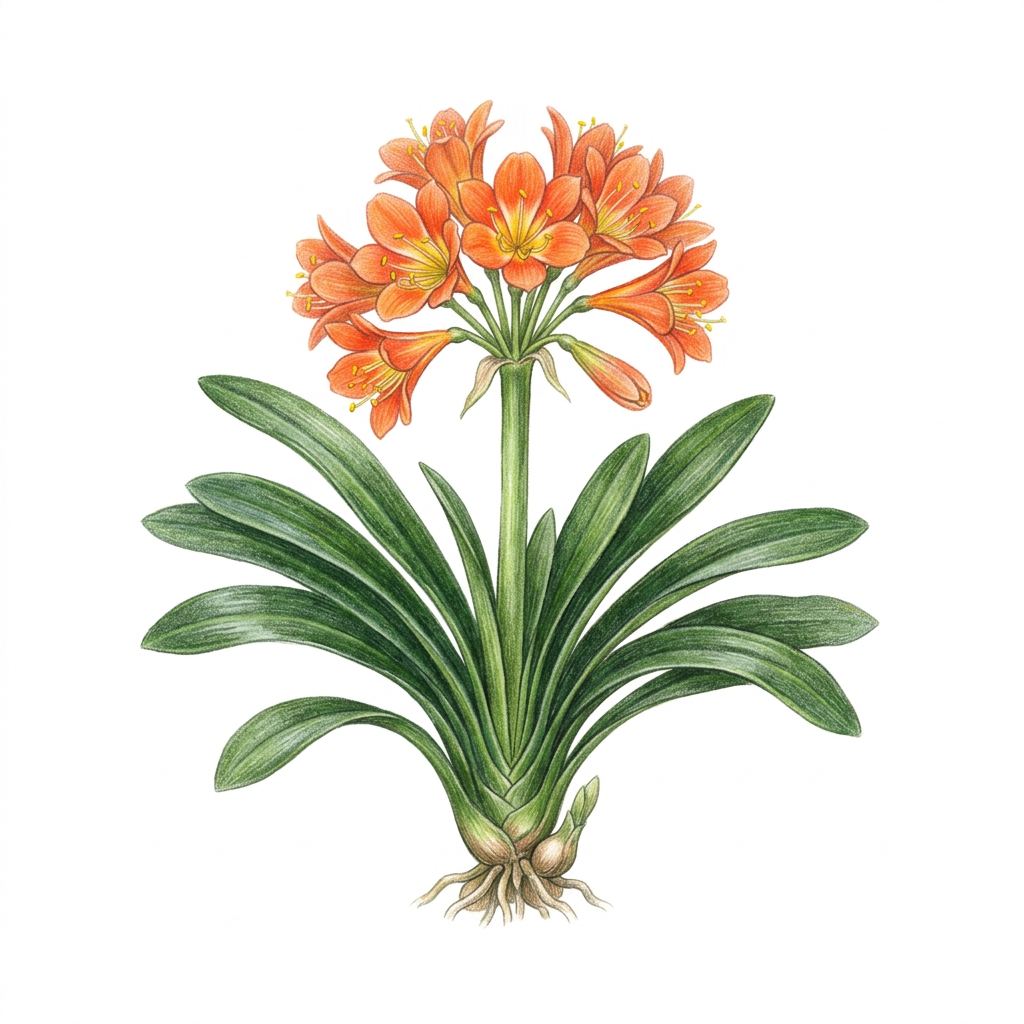
An evergreen rhizomatous perennial featuring dense fans of dark green, strap-like leaves. In spring, it produces clusters of vibrant trumpet-shaped orange or yellow flowers atop sturdy stalks, followed by ornamental red berries.
New tourist tax threat extends to wider visitor economy
A new tax on travelers might hurt public gardens and parks because more expensive lodging could discourage people from visiting these outdoor spaces or spending money there.
Plant diversity doubles naturally when farmland is left to rest
Researchers studied a former farm field left unplanted for over ten years and found that plant species doubled naturally. Thousands of native orchids appeared without anyone planting commercial seed mixes. This shows that giving land time to heal can restore diverse plant communities at low cost.
Carl Linnaeus reclassifies African iris specimens in a letter
On 12 September 1773, Swedish botanist Carl Linnaeus wrote a letter discussing new plant specimens sent to him from South Africa. He examined loose paper slips containing detailed observations to correct earlier plant names. This work helped establish modern methods for organizing and naming plants.