Daily gardening tip · Southern hemisphere · Sunday 30 August 2026 · late winter
Keep Plant Diseases Out of Your Compost
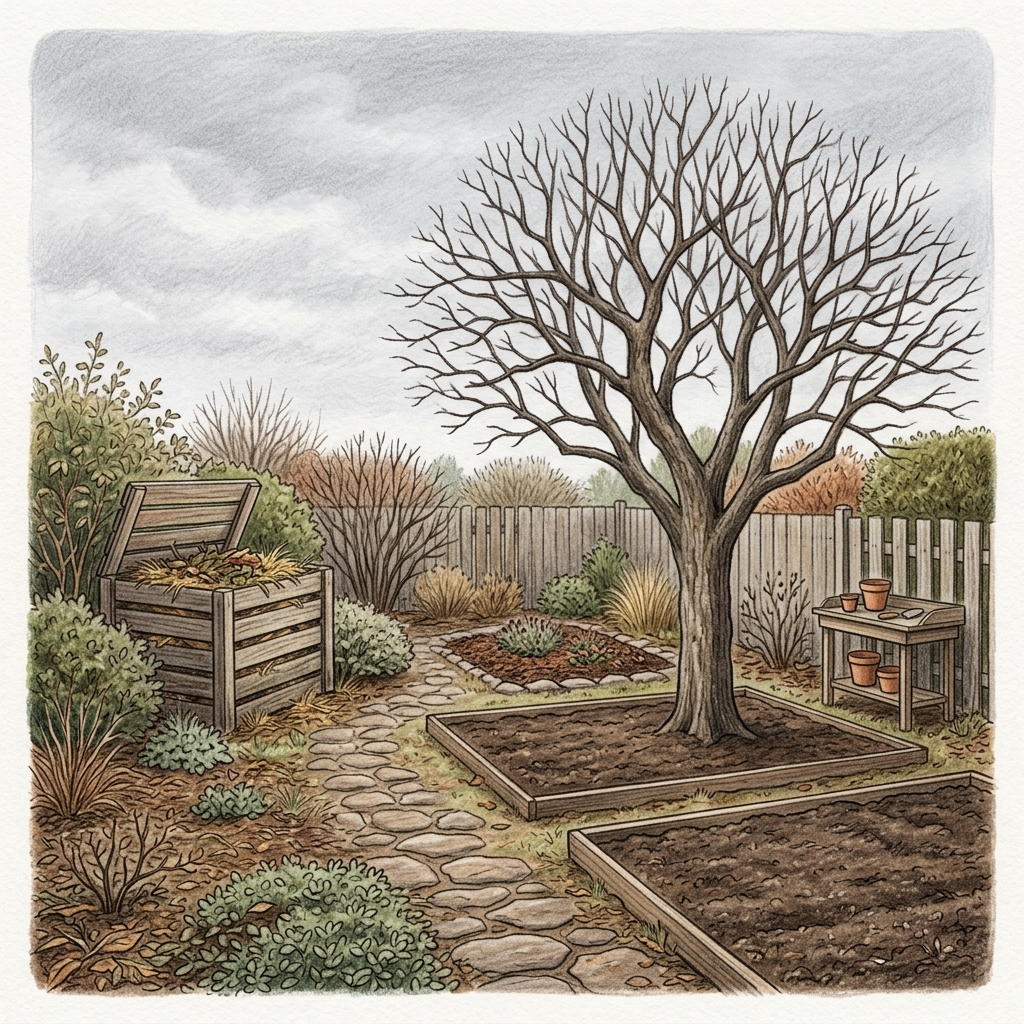
As you clear out old garden beds for spring, tossing the wrong debris into your compost pile can ruin next season's harvest.
15 minuteseasycompost
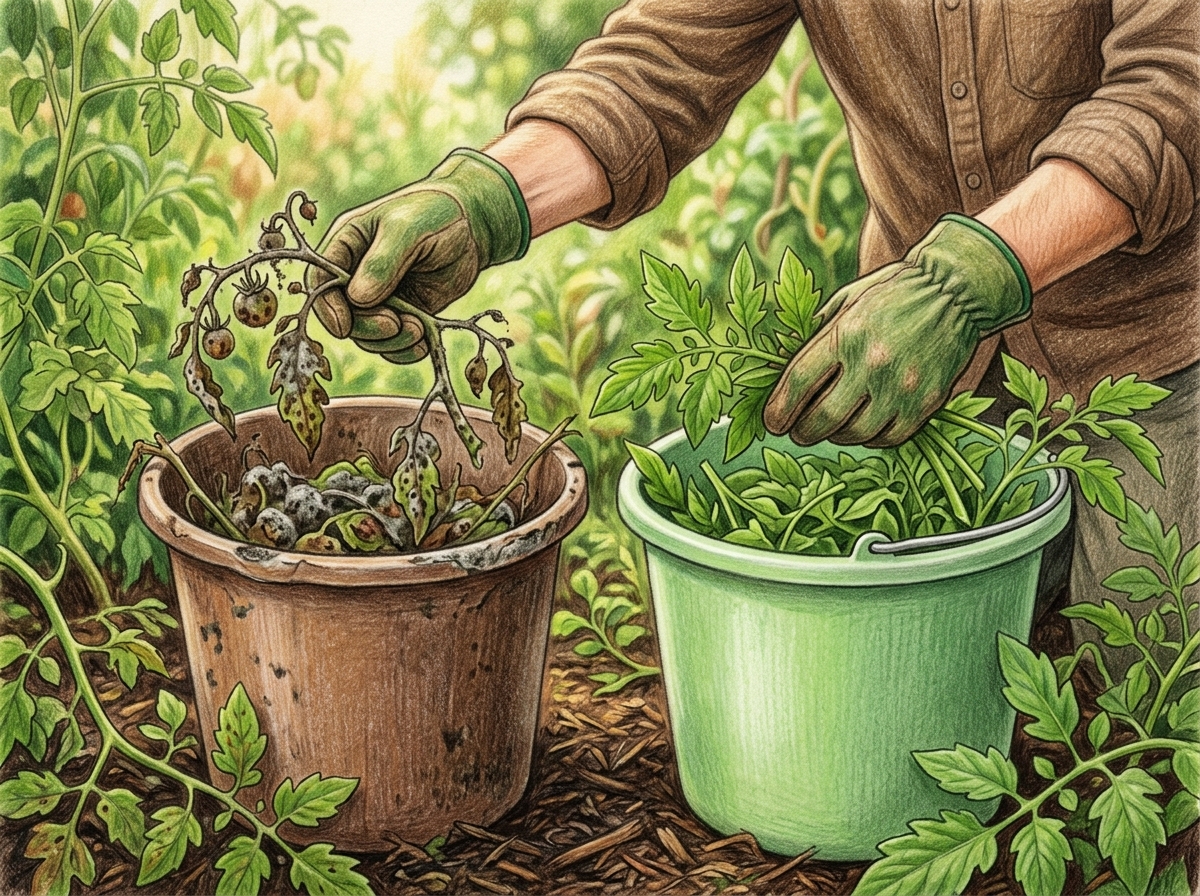
Inspect the old plants and debris you are clearing from your garden beds today.
Identify any stems, leaves, or roots that show signs of mold, black spots, or rot.
Look for weeds that have already formed seed heads or have persistent, creeping root systems.
Bag these diseased plants and weeds separately to put in your household trash or council green waste bin.
Add only healthy, disease-free plant material to your home compost pile.
Why it works
Most backyard compost piles do not get hot enough to kill off plant pathogens or weed seeds. If you put diseased material into your pile now, the fungi and bacteria will survive the winter and infect your new crops when you spread the compost in spring.
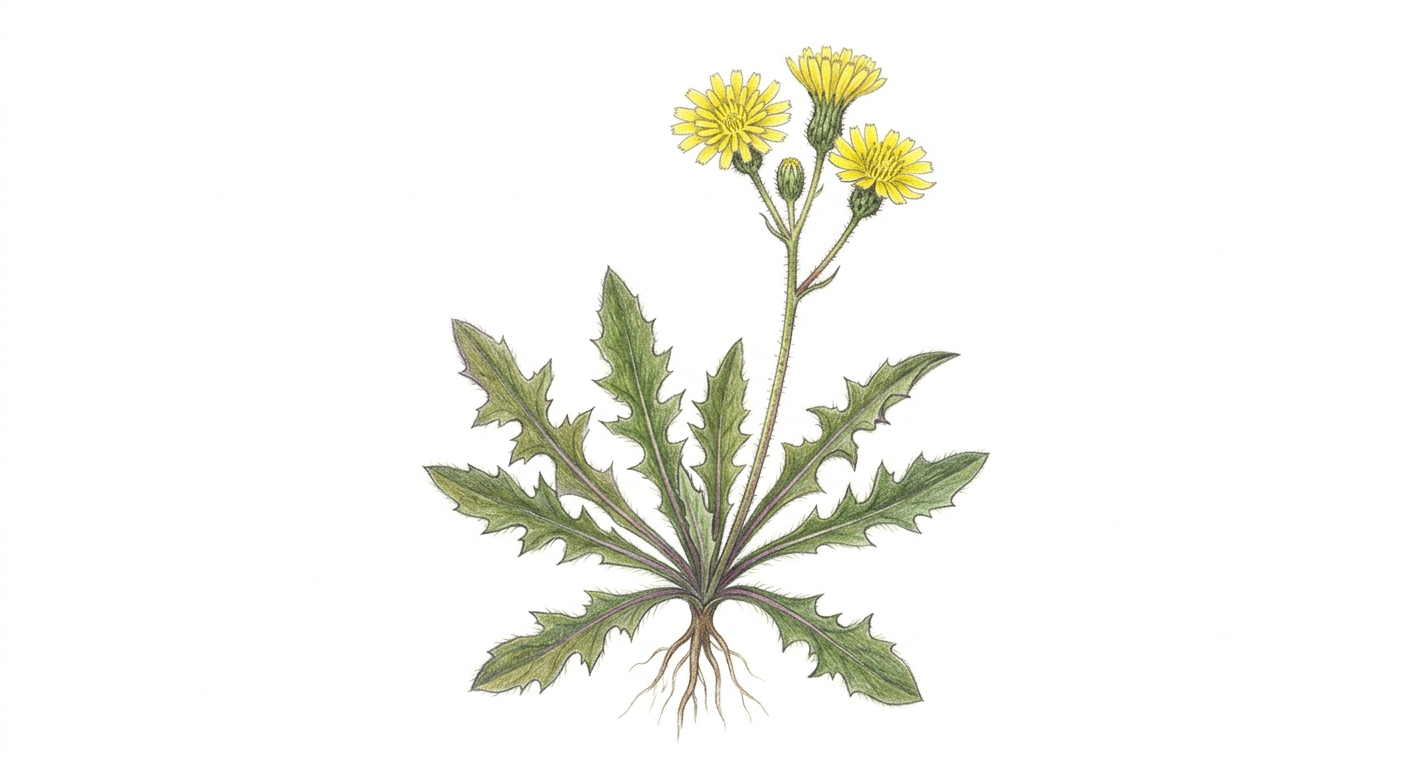
A rare herbaceous perennial found on limestone pavements in Northern England. It features basal rosettes of toothed leaves and yellow composite flower heads on slender stems, adapted to alkaline, rocky substrates.
Soil quality determines if biochar helps or harms lettuce
Scientists tested how biochar charcoal affects plant growth over time. They found that aged biochar can still harm lettuce plants by causing stress and DNA damage in poor soil. Gardeners should check soil quality before adding biochar to garden beds.
Famous landscape gardener Capability Brown baptised in 1716
Lancelot Brown was baptised on 30 August 1716 in Northumberland. He earned the nickname Capability Brown for telling clients their estates had great capability for improvement. He went on to design over 170 naturalistic parks and gardens across Britain.