Daily gardening tip · Northern hemisphere · Thursday 5 November 2026
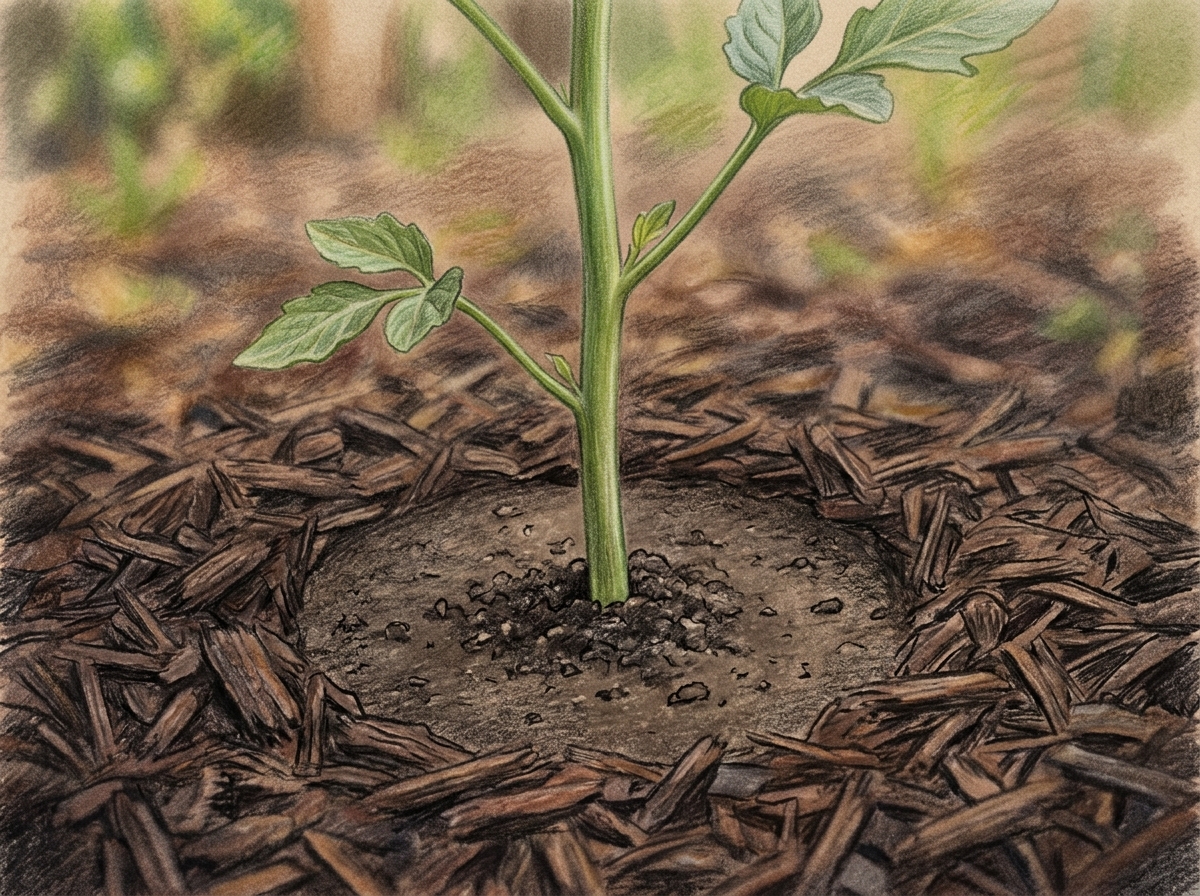
Leave a Ring of Free Space Around Plant Stems When Mulching
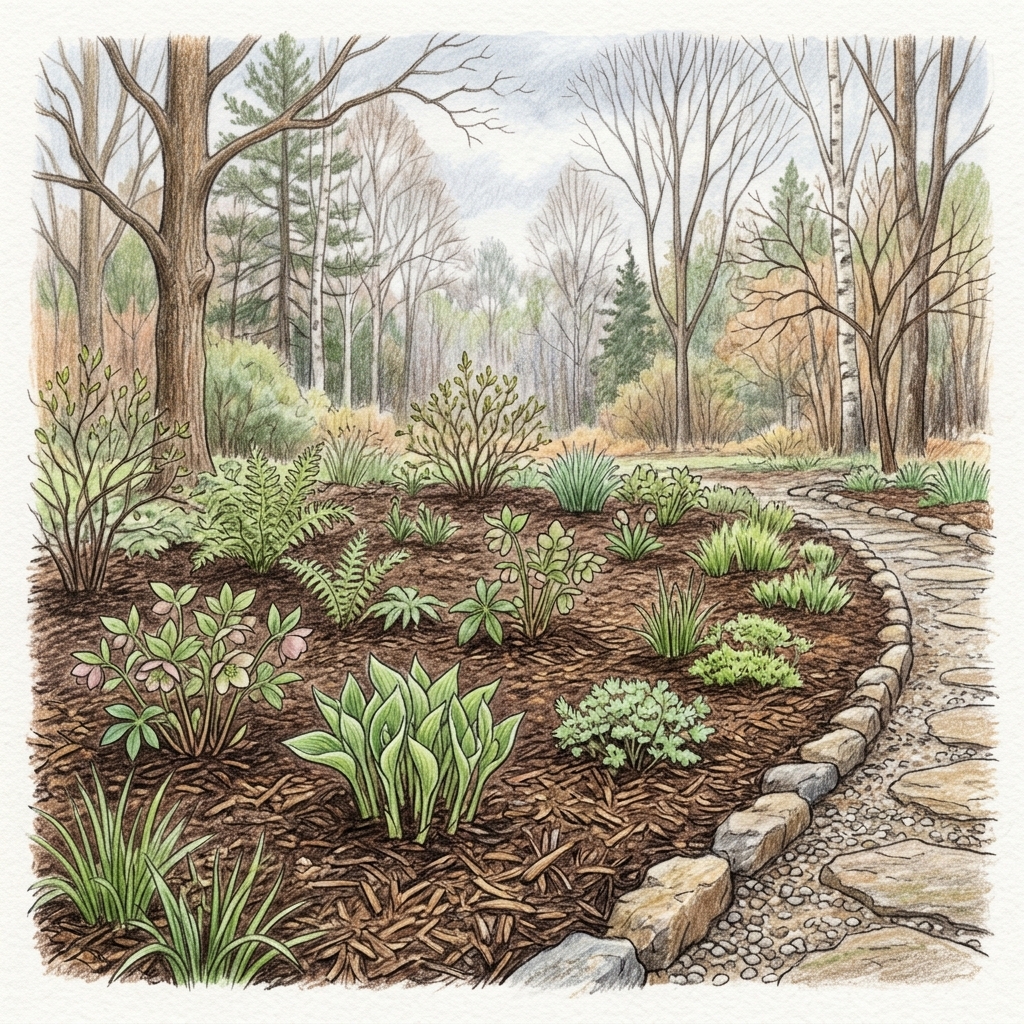
Adding a protective layer of organic matter to your soil now helps roots, but burying the base of your plants can cause unseen decay.
15 minuteseasymulching
Spread your chosen organic material, such as garden compost or shredded bark, over the soil surface.
Rake or hand-pull the material back so it sits at least two inches away from main stems and crowns.
Check that the soil surface immediately around the main stem remains completely clear.
Maintain an even depth of two to three inches across the rest of the exposed soil bed.
Why it works
Where winters are cold or wet, damp organic material trapped against living bark or soft stems holds excess moisture. This dark, wet environment starves the plant tissue of air and encourages fungal rot at ground level, which can destroy the plant's circulation system.
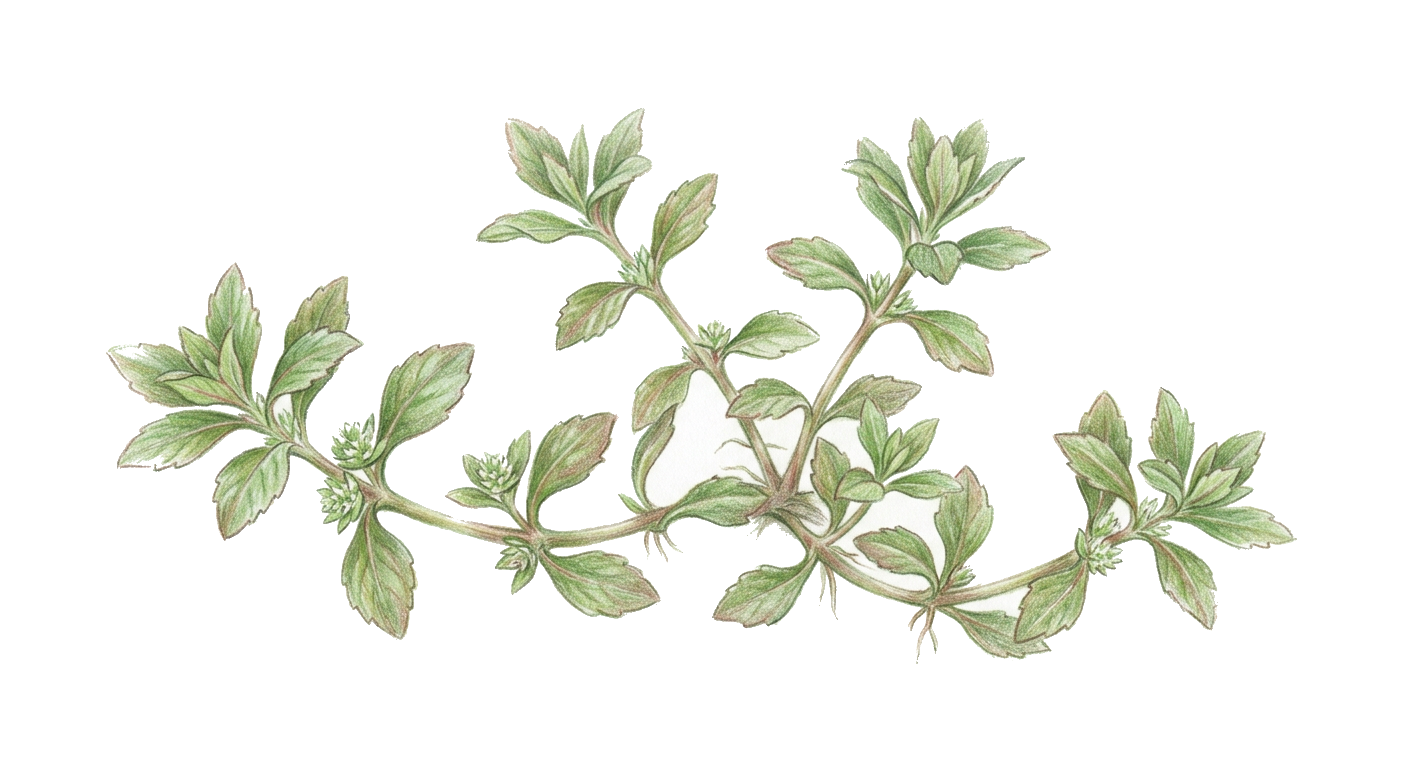
An edible aquatic herb found in tropical wetlands and swamps. It has semi-aquatic creeping stems and is often used as a leafy vegetable in South and Southeast Asian cuisines.
Engineered plant receptors help food crops resist multiple fungal diseases
Scientists modified natural plant immune receptors to recognize multiple destructive fungal pathogens at once. The experimental approach could help wheat, rice, and barley defend against crop-killing diseases such as blast disease. This discovery opens new possibilities for breeding crops with long-lasting disease resistance to protect food supplies.
Pioneering American botanist Humphry Marshall passed away in 1801
Early American botanist Humphry Marshall died on 5 November 1801. In 1773, he established the second botanical garden in the United States to cultivate native and exotic species. He also wrote the first American treatise dedicated exclusively to native trees and shrubs.