Daily gardening tip · Northern hemisphere · Monday 5 October 2026 · mid autumn
Check Greenhouse Heaters and Cold Frames
As overnight temperatures begin to drop, a sudden frost can ruin your tender plants if your heaters or cold frames fail to work.
20 minuteseasyfrost protection
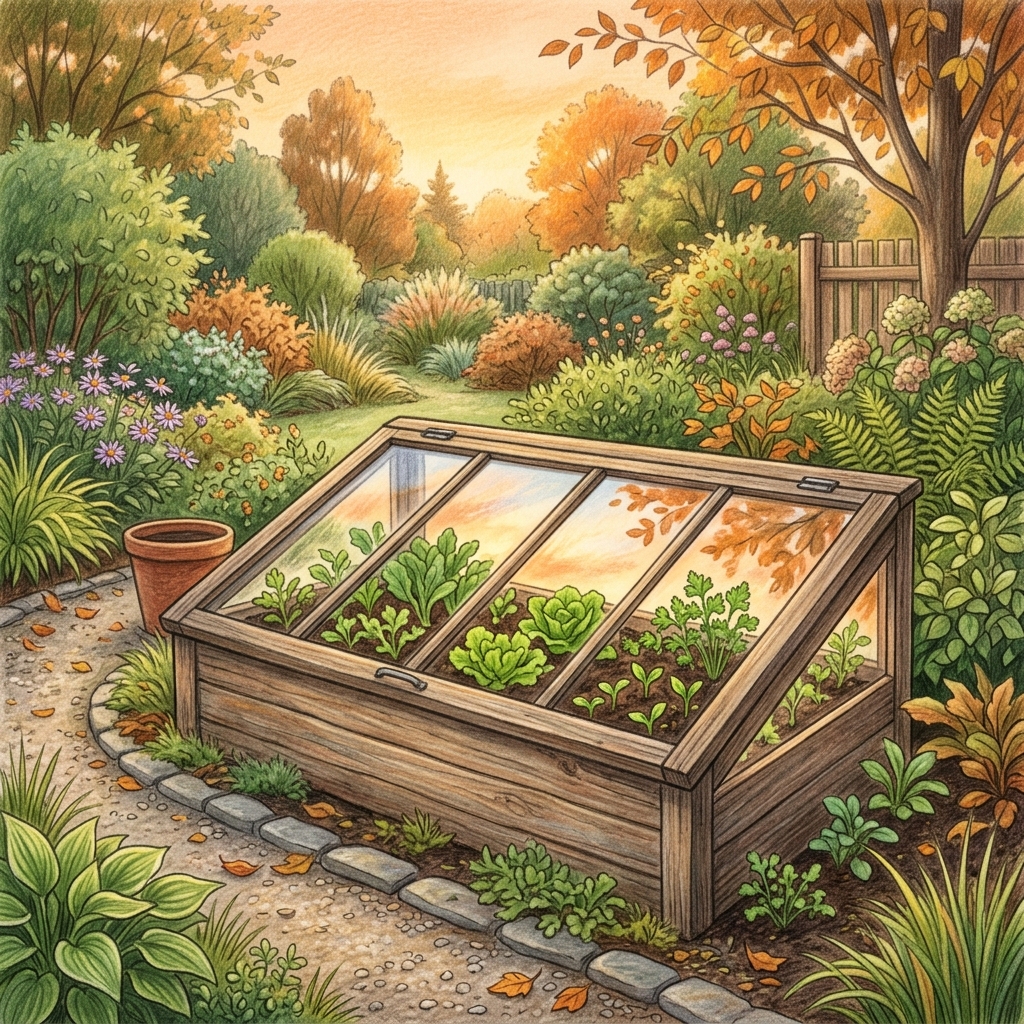
Wipe down the glass or plastic panels of your cold frame to let in maximum light.
Check the hinges and seals of your cold frame to ensure they close tightly.
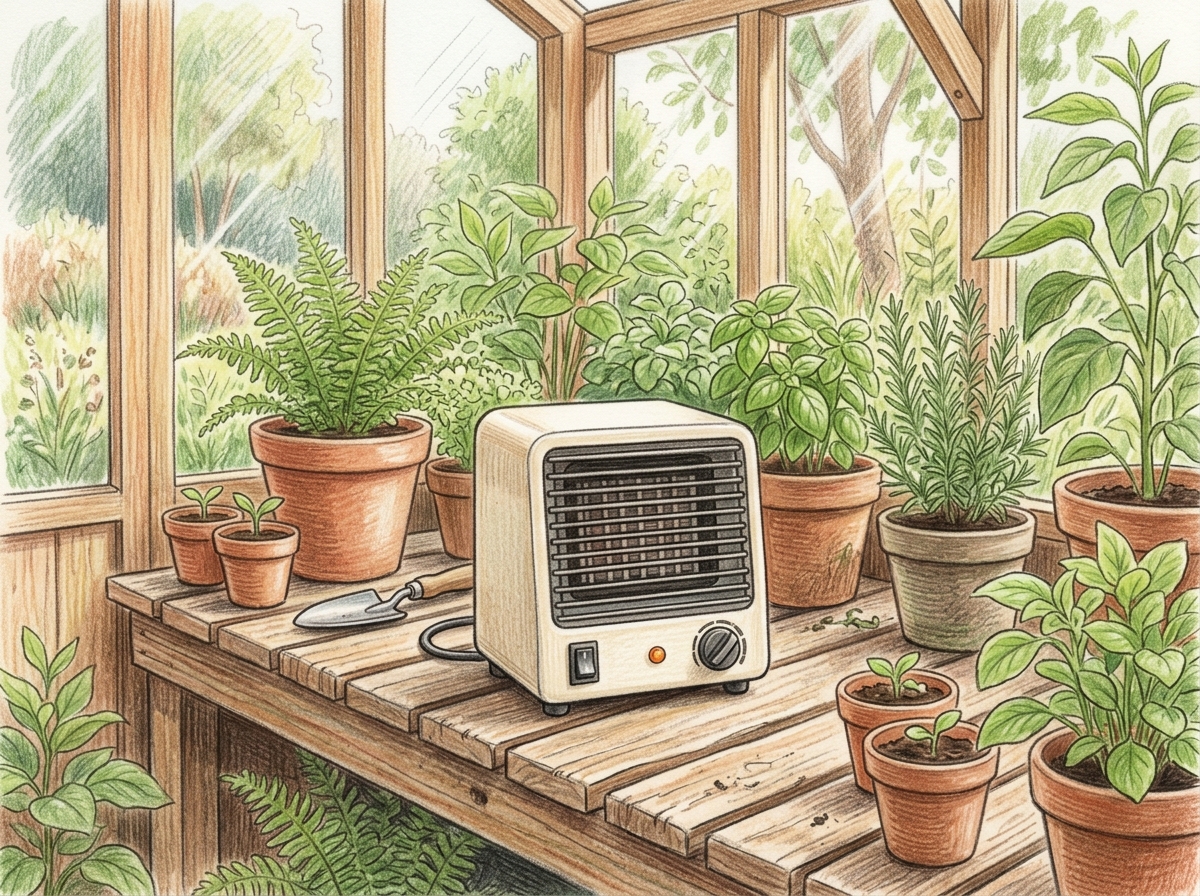
Clean any dust or cobwebs off your greenhouse heater.
Test your heater by turning it on briefly to ensure it heats up properly.
Position the heater on a flat surface away from water and dry foliage.
Why it works
Clean panels allow weak autumn sunlight to warm your cold frame during the day, while tight seals trap that heat overnight. Testing your heater now gives you time to repair or replace it before a sudden freeze damages your sheltered plants.
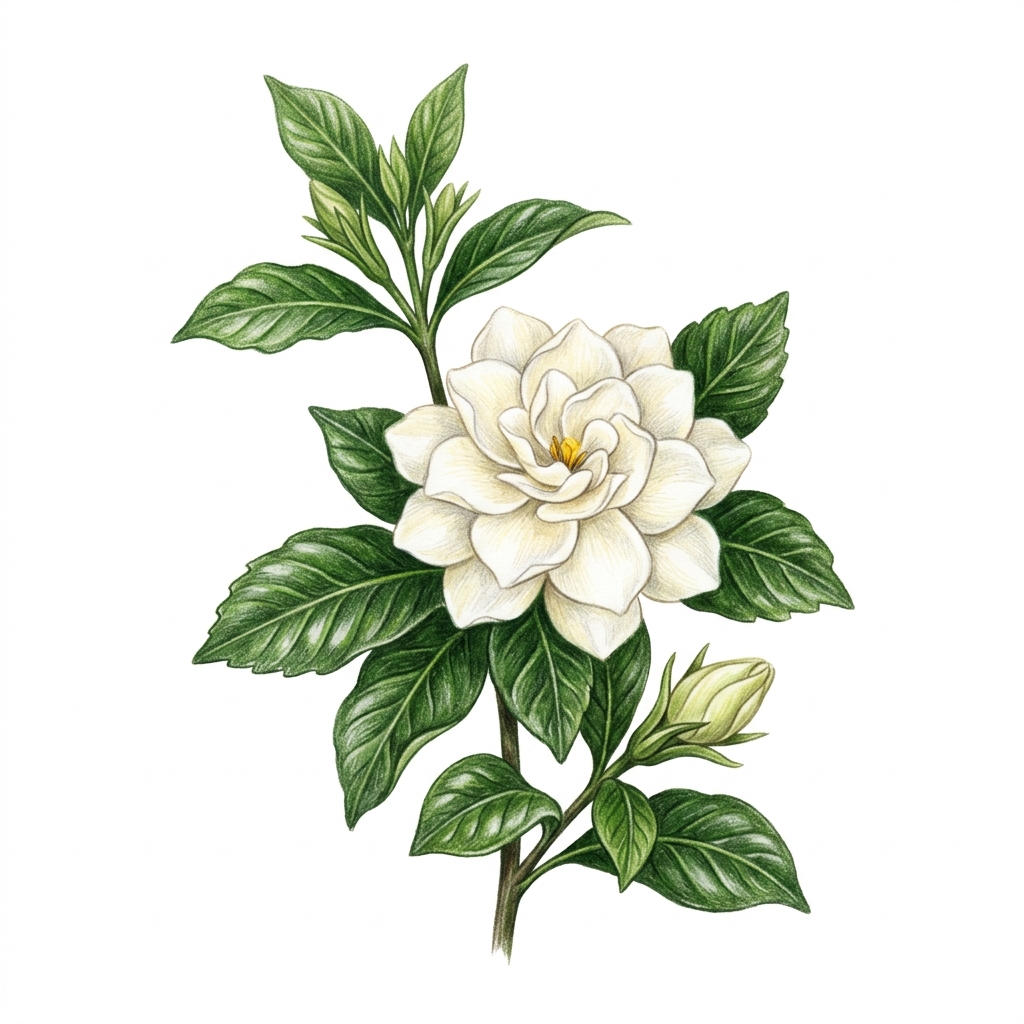
An evergreen flowering shrub highly prized for its glossy dark green foliage and intensely fragrant white blooms. Native to warm temperate and subtropical regions of East Asia, it forms a rounded, bushy shape ideal for shrub borders or containers
Variable apple harvest highlights varieties suited to changing climate
Recent unpredictable weather showed that some apple types grow better than others, and older traditional varieties from Southwest England at a specific garden seem to handle the changing climate well.
Protective fabric cover triples strawberry plant fruit yields
Researchers developed a protective textile covering called Plant Armor that significantly boosts strawberry fruit yields. The fabric blocks insect pests while allowing essential sunlight, water, and air to pass through to the growing plants. This technology can help growers protect fruit crops while using fewer chemical pesticides.
American botanist Merritt Lyndon Fernald born on 5 October
American botanist Merritt Lyndon Fernald was born on 5 October 1873. He published hundreds of scientific papers and co-authored a guide on edible wild plants. His extensive field research helped map and document the plant life of North America.