Daily gardening tip · Northern hemisphere · Wednesday 23 September 2026 · early autumn
Divide Spring Perennials for Free Plants
Early autumn is the perfect time to split crowded spring-flowering plants like hostas to keep them healthy and get new plants for free.
30 minutesmoderatepropagation
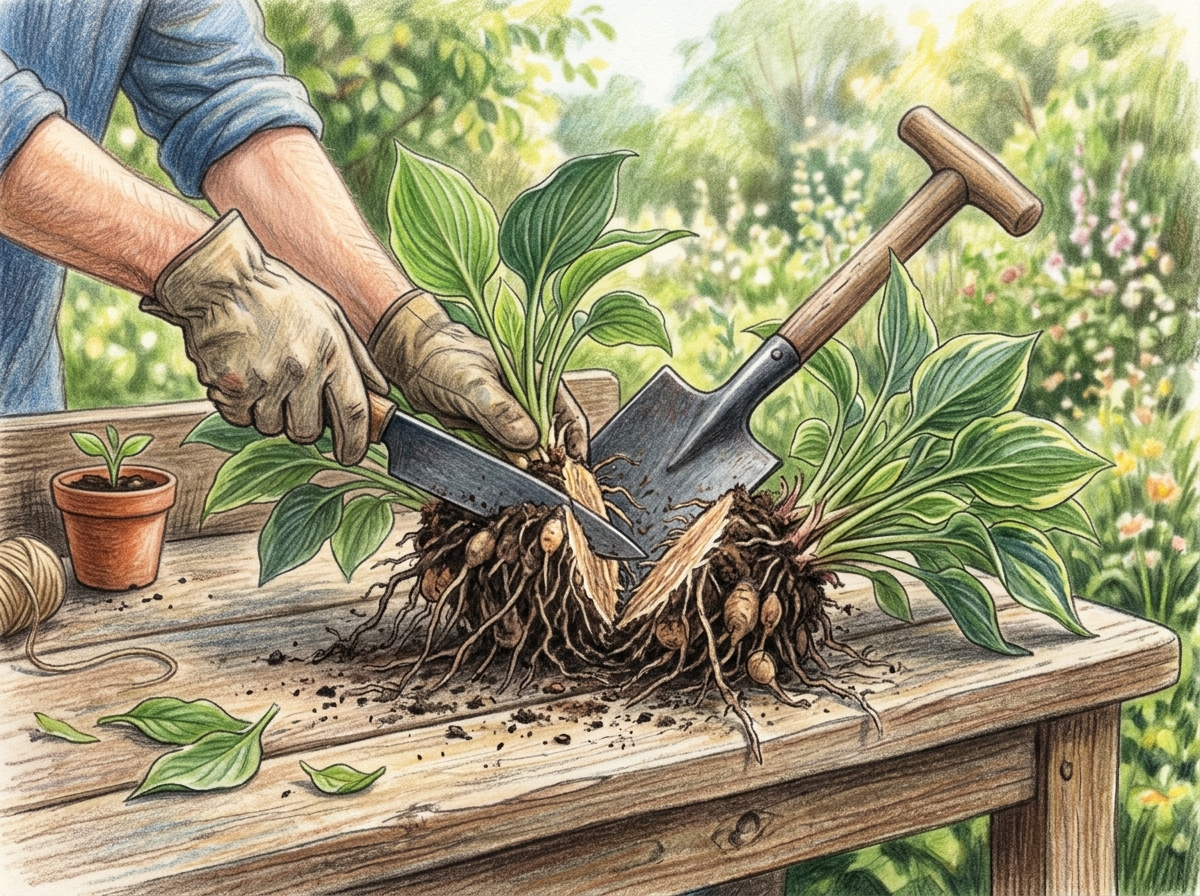
Dig a wide circle around the base of an overgrown hosta clump to lift the root ball gently out of the soil.
Shake or wash off excess soil so you can clearly see the roots and the growing buds.
Use a sharp spade or a garden knife to slice the clump into two or three smaller pieces, ensuring each piece has healthy roots and shoots.
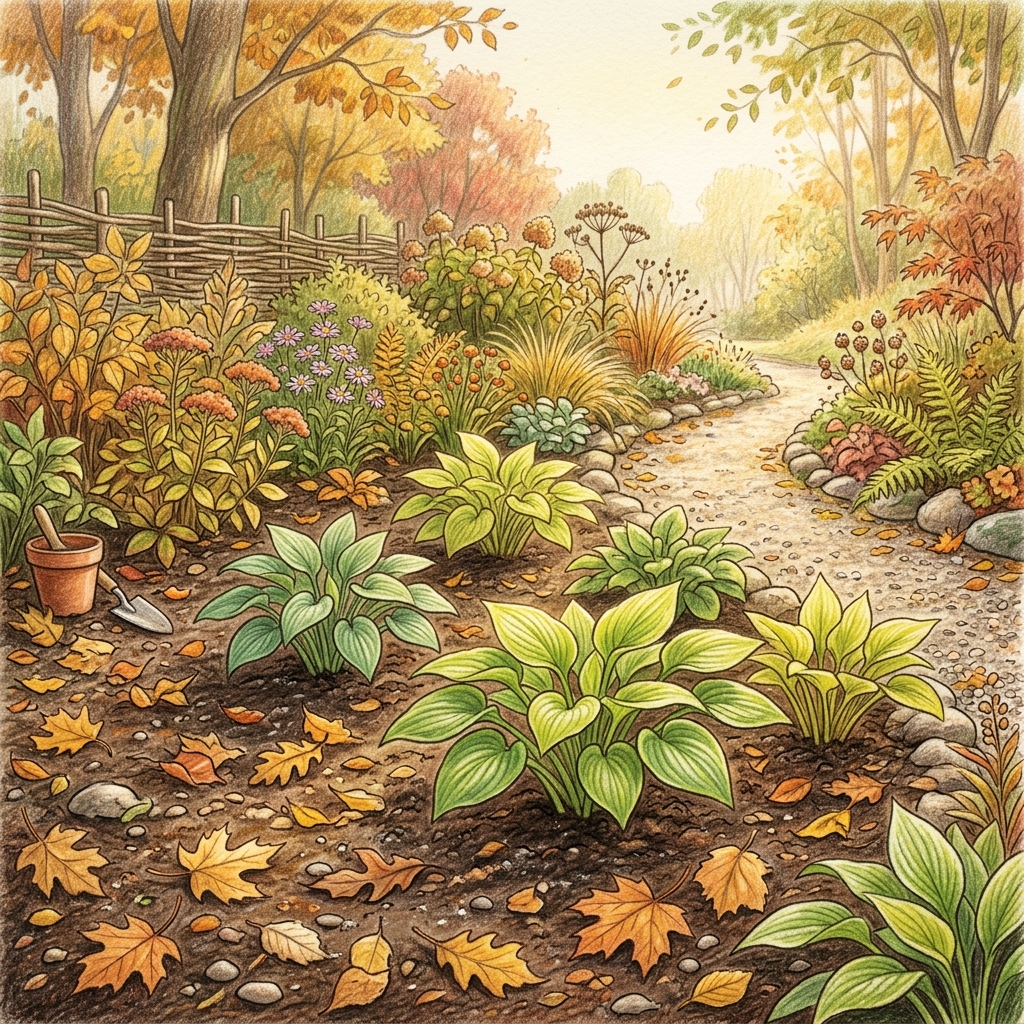
Replant the divided sections immediately into their new spots at the same depth they were growing before.
Water the newly planted divisions thoroughly to help the soil settle around the roots.
Why it works
Dividing perennials during the cool, moist days of early autumn gives the separated roots time to establish in the warm soil before winter. This process rejuvenates older, crowded plants that have run out of space, resulting in healthier foliage and better growth next spring.
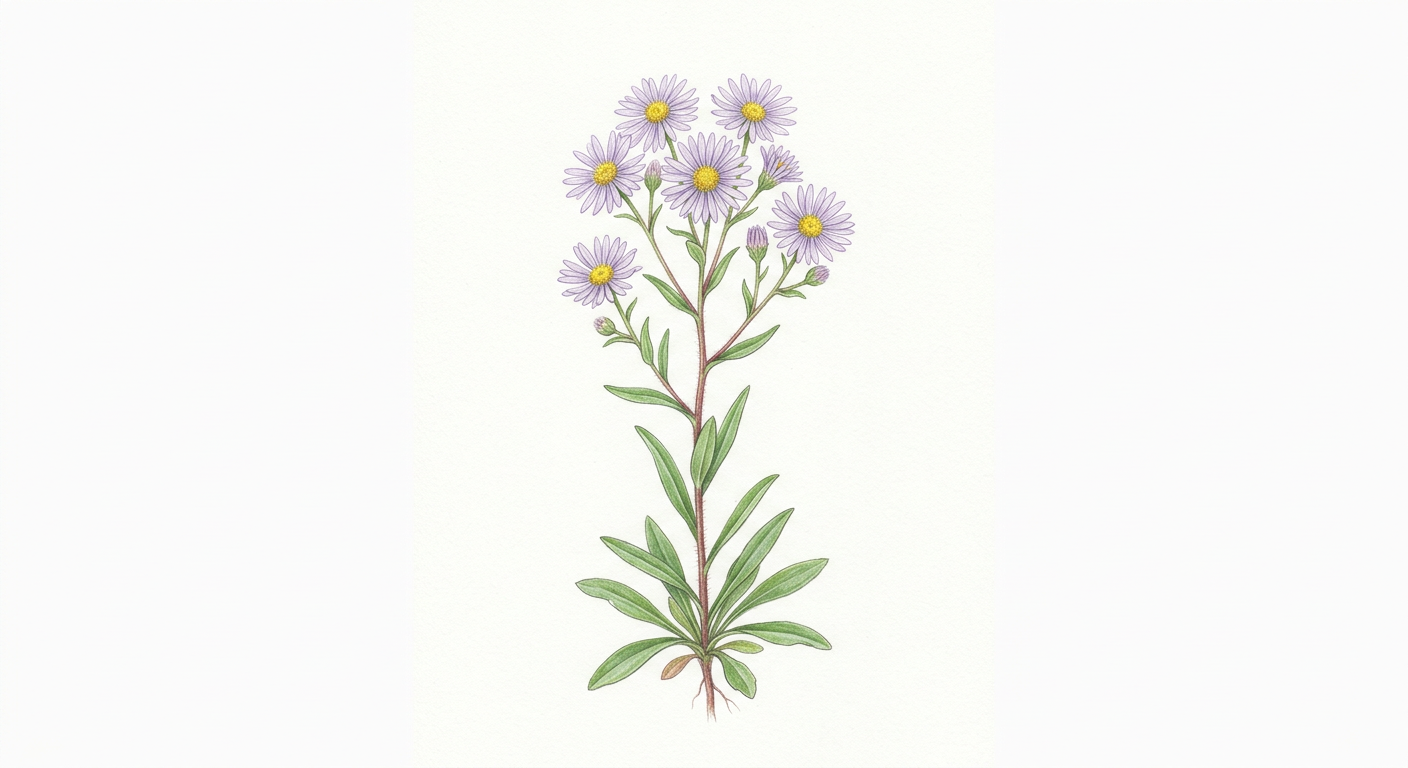
A slender perennial herb endemic to specific coastal and wetland habitats, primarily Anticosti Island. It typically forms clumps of stems bearing narrow leaves and small, white to pale lavender ray flowers with yellow centers
Deeper Root Systems Help Crops Handle Drought and Store Carbon
Researchers are testing soybean plants engineered to grow roots straight down rather than sideways. Deeper root systems allow plants to reach water deeper underground during dry spells. The longer roots also store higher amounts of carbon safely in the soil.
English Botanist Thomas Martyn Born on September 23, 1735
English botanist Thomas Martyn was born on 23 September 1735 in London. He served as professor of botany at Cambridge University and pioneered the use of the Linnaean system of plant classification in England. His translated books and illustrated guides helped early gardeners learn scientific plant names.