Daily gardening tip · Northern hemisphere · Wednesday 9 September 2026 · early autumn
Check Outdoor Houseplants for Pests
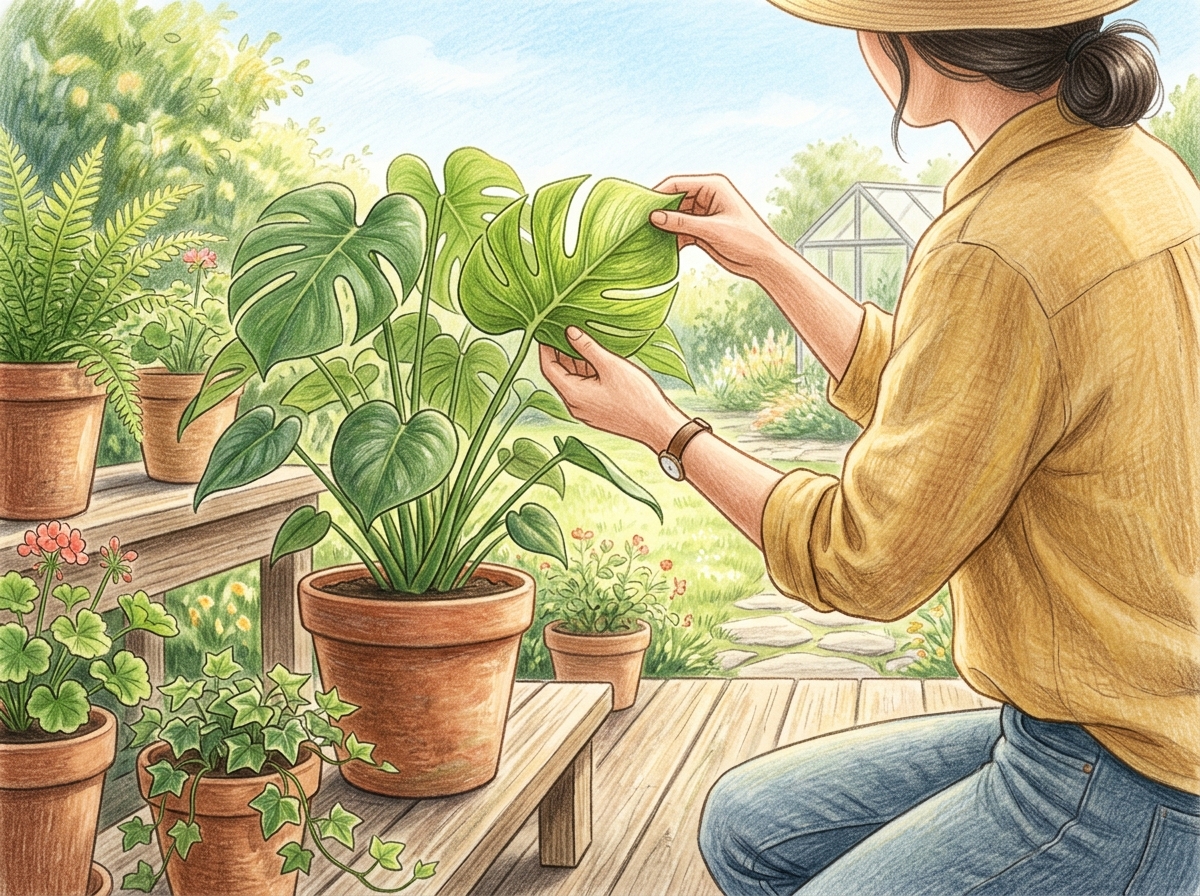
As autumn nights begin to cool, you will need to bring your summering houseplants back inside without bringing pests along with them.
10 minutes per planteasyindoor plants
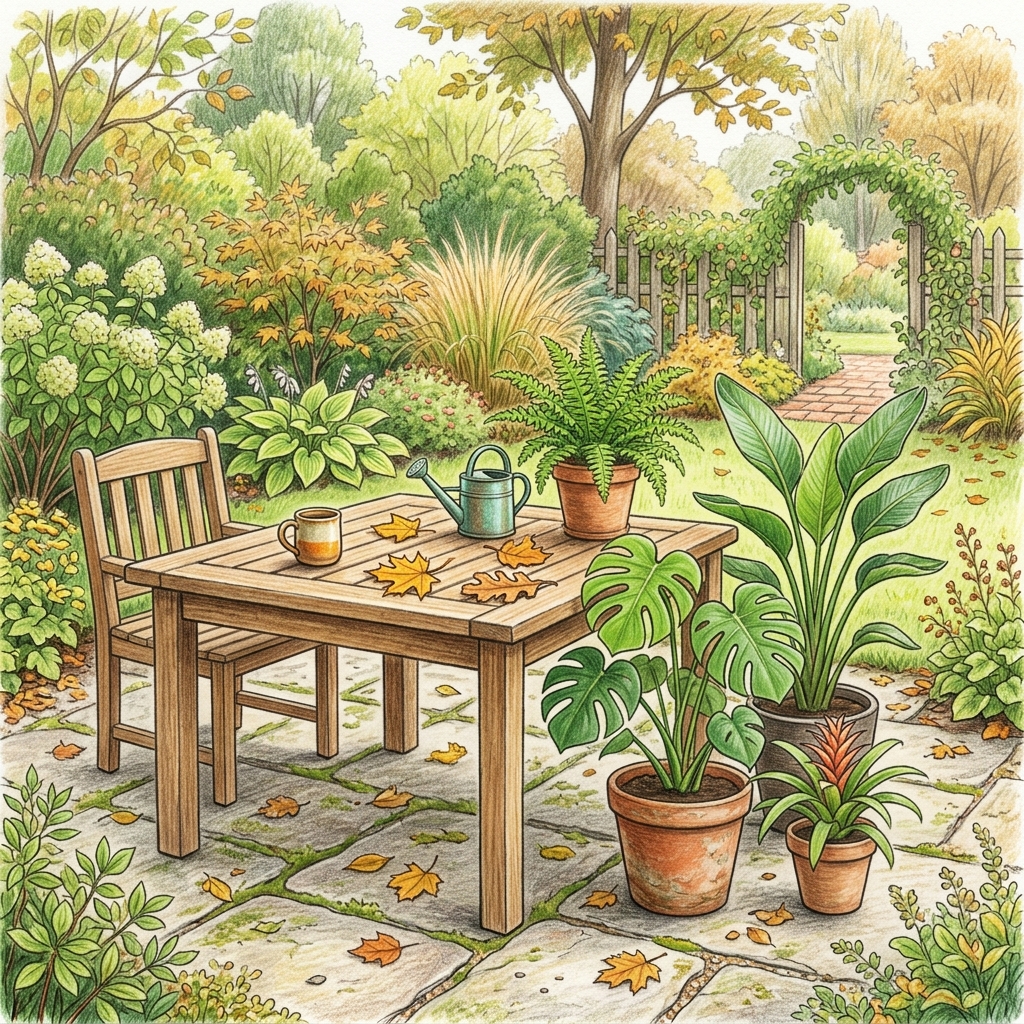
Place your potted plant on a clean table or patio surface outdoors in bright, indirect light.
Examine the undersides of the leaves and the joints of the stems for webbing, sticky residue, or small insects.
Look closely at the top inch of soil and the bottom of the pot near the drainage holes for crawling pests.
Wipe down both sides of every leaf with a soft, damp cloth to remove dust and dislodge hidden bugs.
Keep the returning plants isolated from your other indoor plants for at least one week to monitor for any newly hatching pests.
Why it works
Outdoors, natural predators keep plant pests under control. When you bring a plant inside, the warm and dry indoor air allows hidden pests like spider mites or aphids to multiply rapidly without any natural predators to stop them.
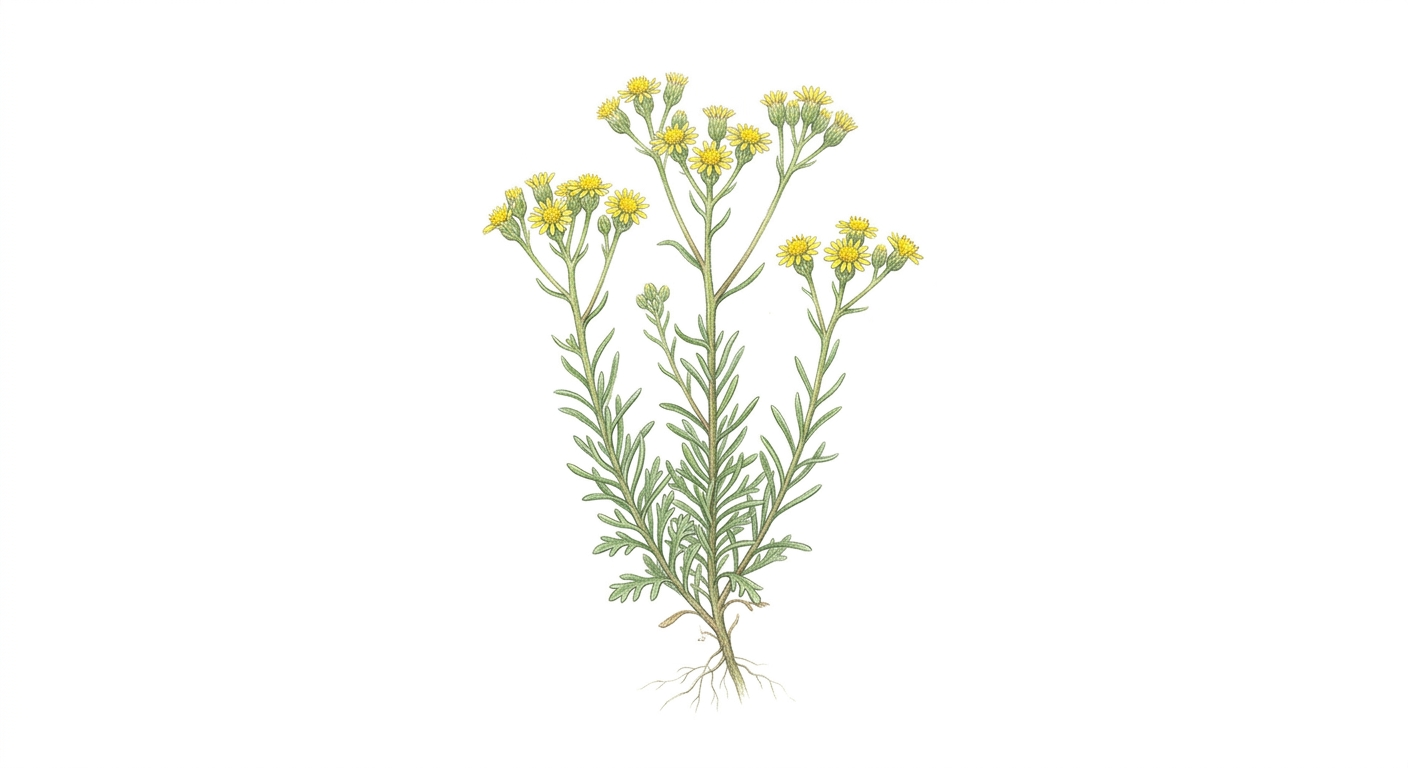
A low-growing, resinous subshrub native to South Texas and Mexico, typically found in saline soils. It produces small, yellow discoid flower heads in late summer.
Morning Glories Struggle to Adapt as Climate and Pollinator Demands Clash
A long-term study showed that morning glories are prioritizing larger flowers to attract scarce pollinators over traits that withstand climate change. This conflict caused the plant population's overall rate of climate adaptation to drop by 96 percent. The findings show how competing survival needs can limit a plant's ability to evolve in a changing environment.