Daily gardening tip · Southern hemisphere · Sunday 29 November 2026
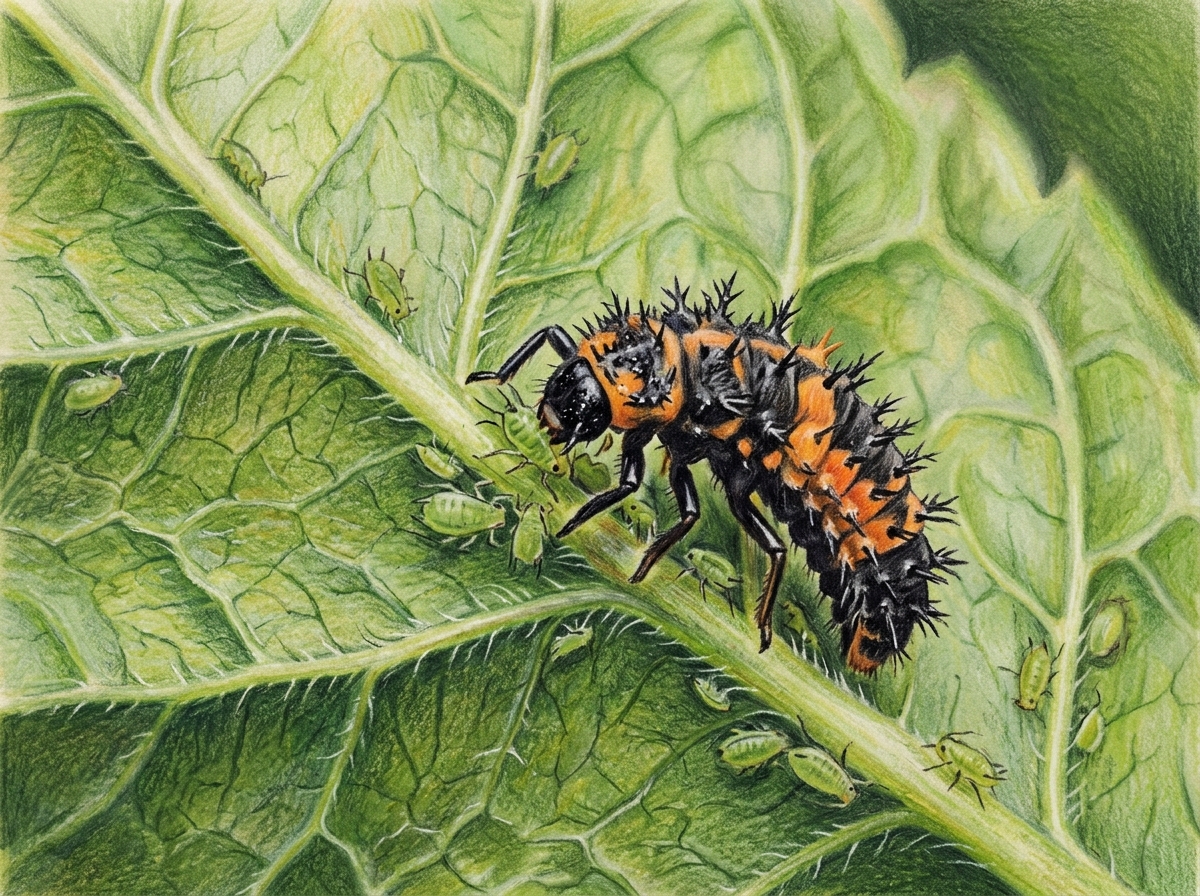
Recognize Beneficial Ladybird Larvae
Not every insect crawling on your plants is a pest, and mistaking beneficial bugs for enemies can harm your garden.
5 minuteseasypests
Inspect the underside of plant leaves where aphids gather.
Look for small, spiky creatures that resemble tiny black and orange alligators.
Avoid spraying any insecticides or soapy sprays when you spot these alligator-like larvae.
Leave the larvae alone so they can feed freely on surrounding aphid colonies.
Why it works
Ladybird larvae are voracious predators that can eat hundreds of aphids each day. Protecting these beneficial insects allows natural pest control to manage aphid populations without the need for chemical sprays.
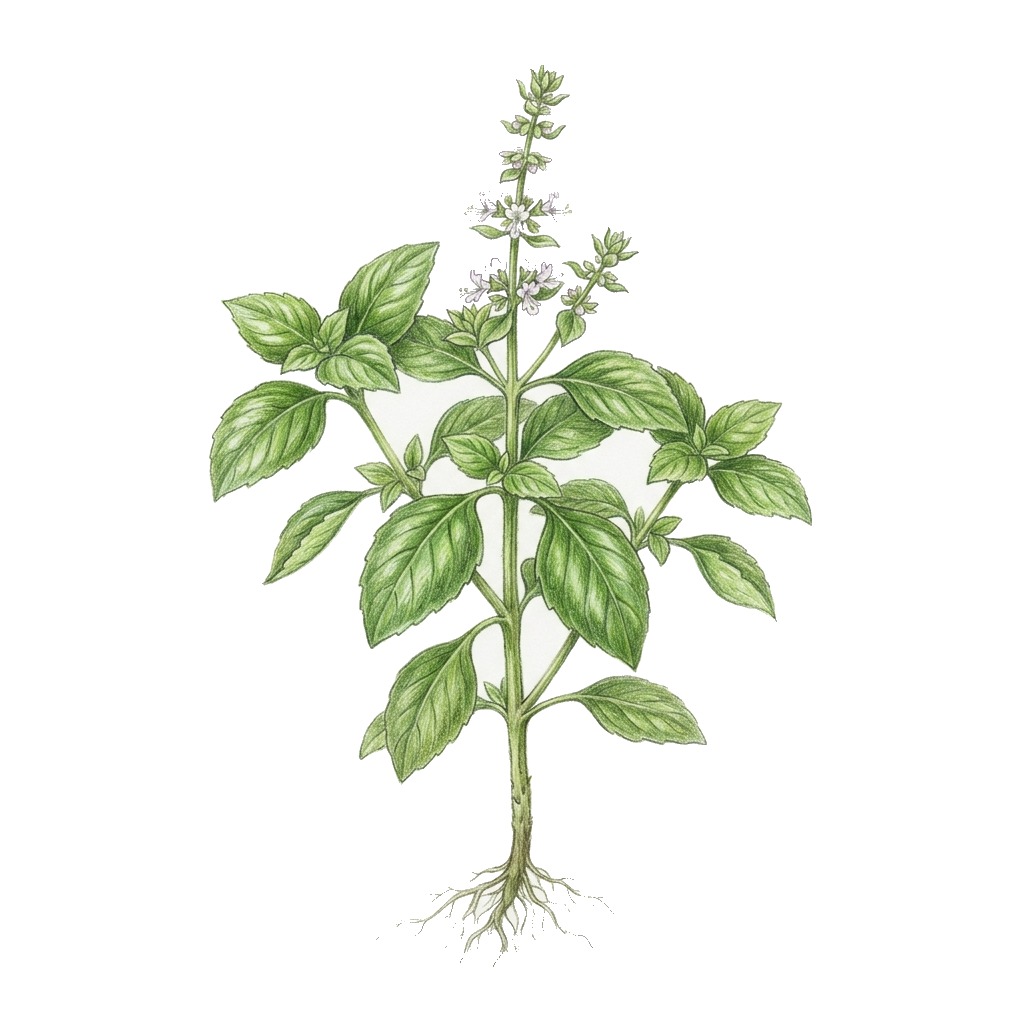
A popular tender aromatic culinary annual herb in the mint family with glossy, ovate green leaves. It produces upright spikes of small white or purplish blossoms during warm periods
Hazel Gardiner becomes National Garden Scheme ambassador
Floral designer Hazel Gardiner has been appointed as a representative for the National Garden Scheme charity as it prepares for its 100th anniversary in 2027.
Mixing Biochar and Native Plant Waste Helps Store Soil Carbon
Researchers combined crop waste biochar with leaves from a native salt-tolerant plant to restore degraded coastal farmland. The combination trapped far more durable carbon in the soil than using either material by itself. This technique improves poor soil health while locking away atmospheric carbon for longer periods.
On 29 November 1843, influential garden designer Gertrude Jekyll was born in London. She created over 400 gardens and popularized painterly flower borders arranged carefully by color. Her published books and naturalistic design principles continue to inspire home gardeners around the world.