Daily gardening tip · Southern hemisphere · Tuesday 24 November 2026
Protect Young Capsicums from Late Frosts
In regions where unseasonal cold snaps still occur, sudden overnight temperature dips can damage tender young crops.
10 minuteseasyfrost protection
Check your local evening weather forecast for sudden overnight cold drops.
Keep lightweight frost cloth or row covers stored near your garden beds for easy access.
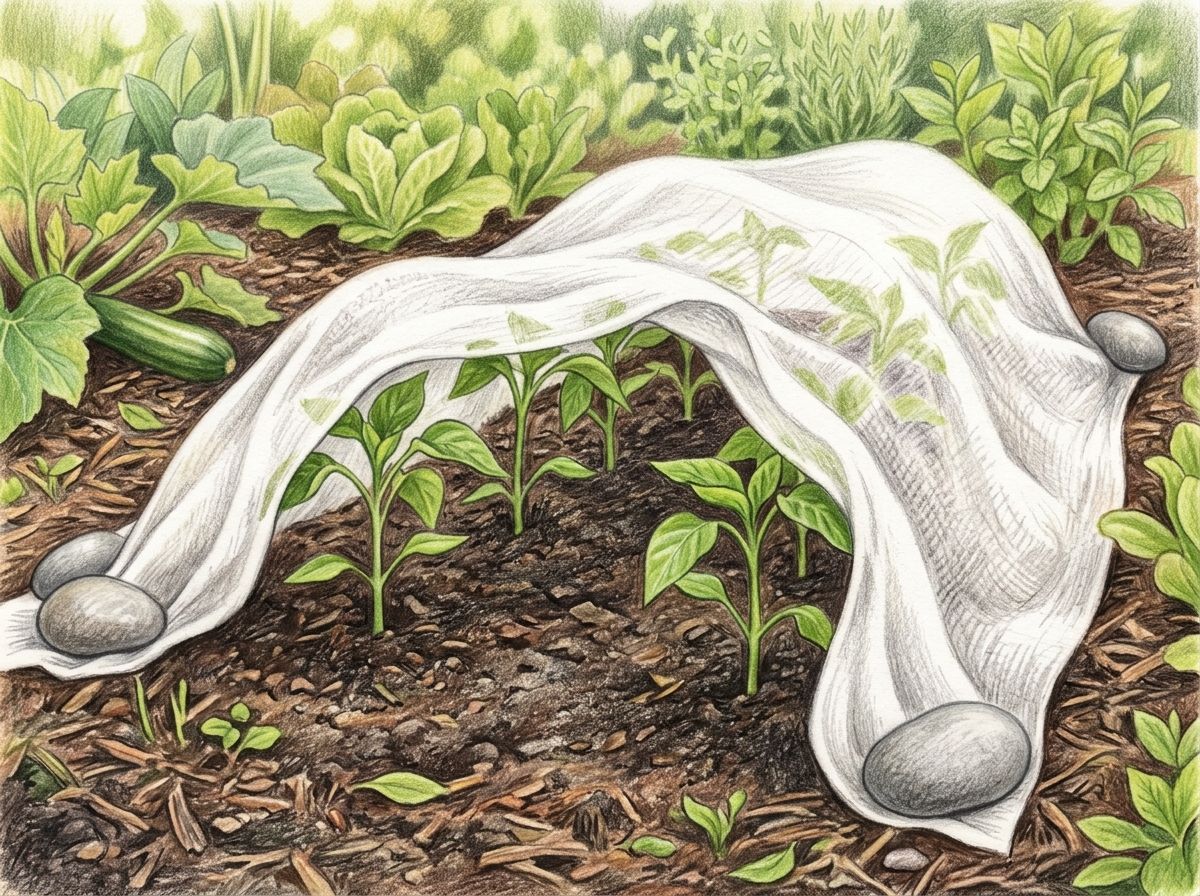
Drape the cloth loosely over tender capsicum seedlings before sunset to trap ground warmth.
Secure the edges with bricks or heavy stones to keep cold winds from blowing under the fabric.
Remove the covers early the next morning once temperatures rise so the plants receive light.
Why it works
Young capsicum plants are extremely sensitive to cold temperatures, which can stunt their growth or kill new foliage. Covering them overnight creates a microclimate that traps warmth radiating from the soil, keeping the air around the leaves just above freezing.
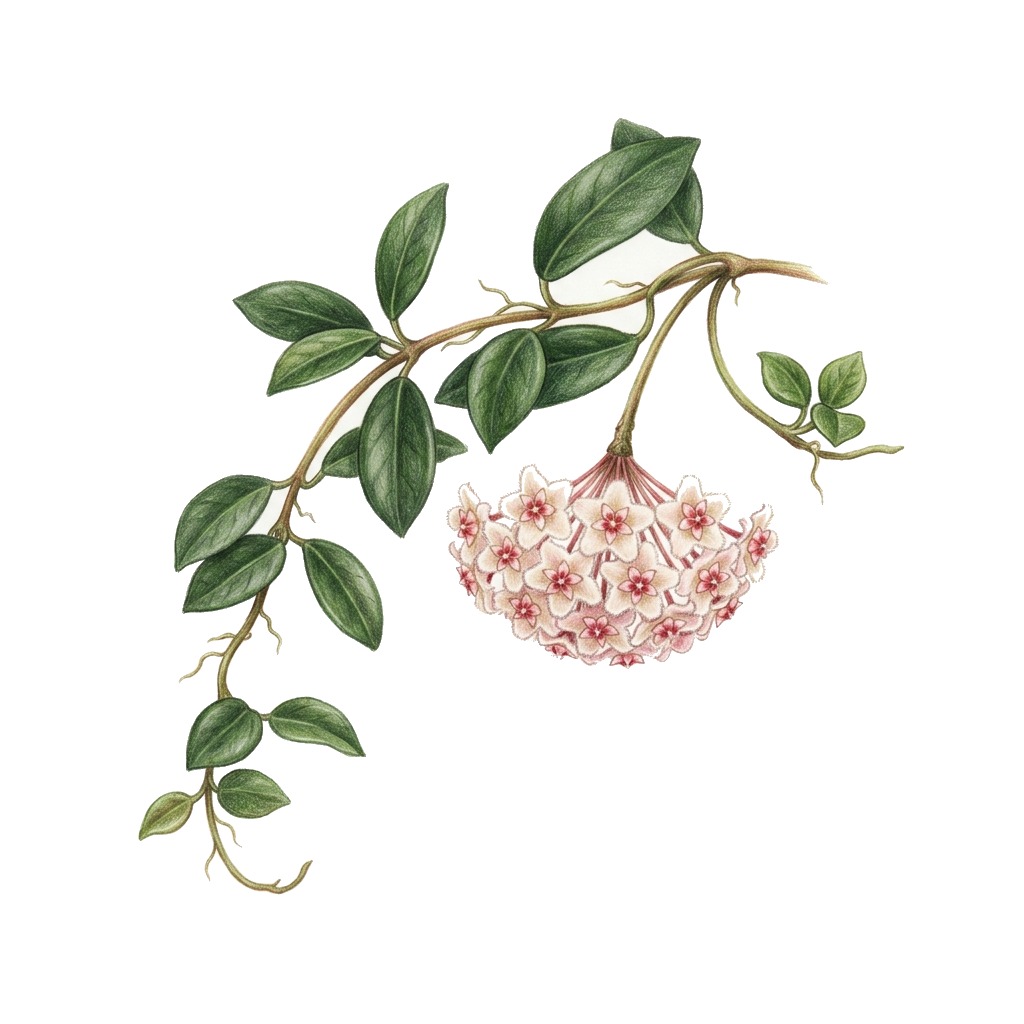
A popular climbing or trailing epiphytic vine from East Asia and Australia, known for its thick waxy leaves and clusters of star-shaped, fragrant, nectar-rich flowers.
Mixed Vegetable Planting Increases Land Productivity
A global review of farm trials found that growing different fruits and vegetables together produces higher yields per area than single-crop plots. Mixed plantings used space more efficiently and delivered up to forty-one percent higher land productivity. This strategy helps growers produce more food without expanding garden beds.
On 24 November 1859, naturalist Charles Darwin published his landmark scientific work on evolution by natural selection. His theories were grounded in extensive observations of plant variation, breeding, and adaptation. The work fundamentally reshaped the modern understanding of botany and plant biology.