Daily gardening tip · Southern hemisphere · Tuesday 17 November 2026
Soak Dry Mulch Materials to Avoid Shielding Soil from Rain
Piling bone-dry organic matter over dry garden beds creates a waterproof barrier instead of a moisture-retaining blanket.
20 minuteseasymulching
Check the moisture level of your soil before spreading any ground cover.
Water the bare earth thoroughly if it feels dry to the touch.
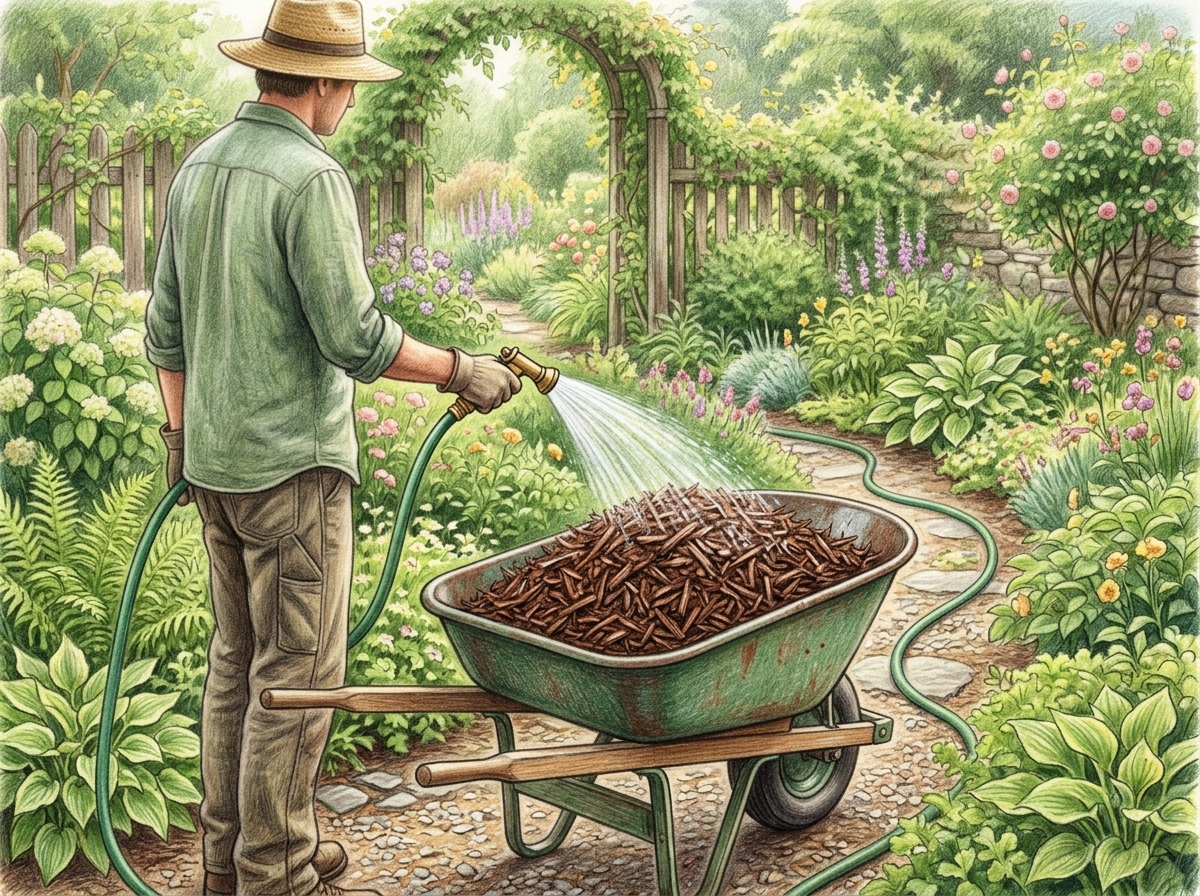
Spray dry straw, wood chips, or shredded bark with a hose to dampen them before application.
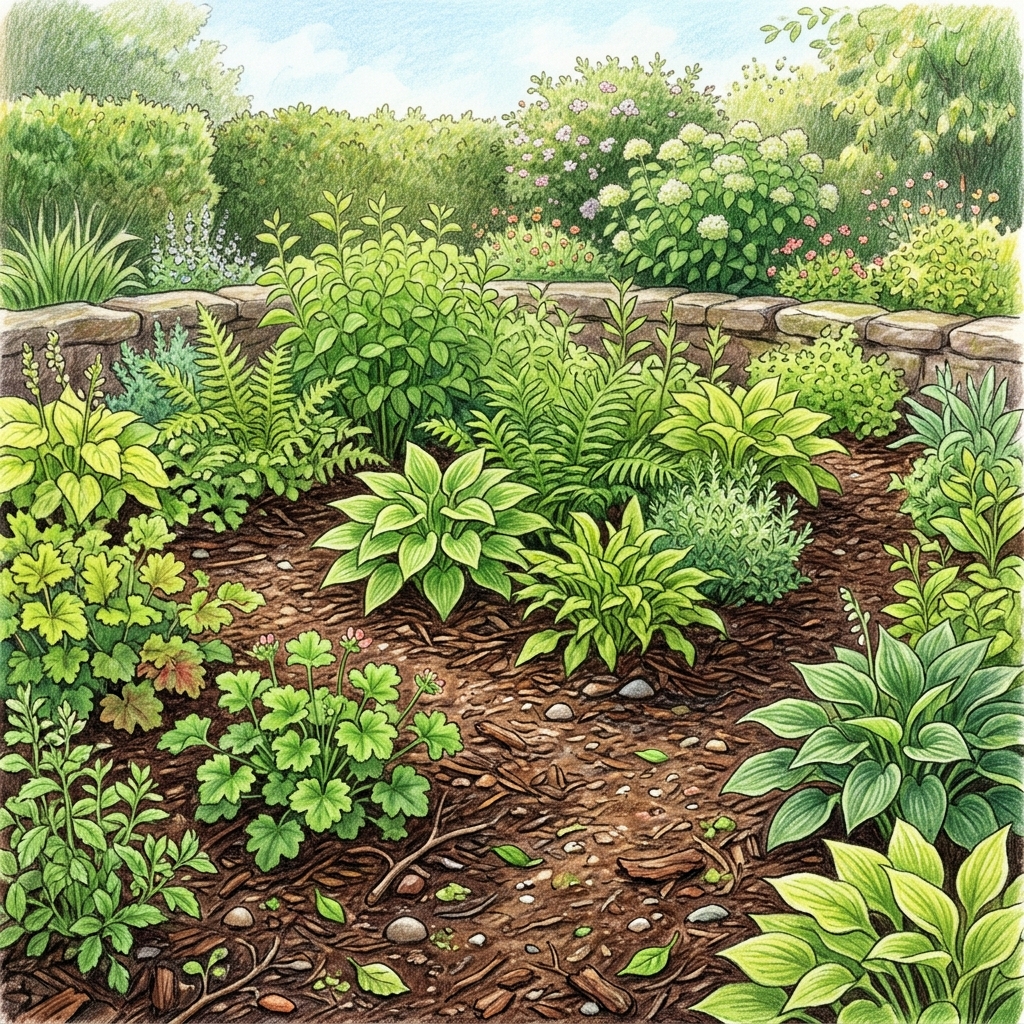
Spread the damp material evenly over the soil, keeping it a few inches away from plant stems.
Why it works
Dry organic materials like bark and straw can become hydrophobic, meaning they shed water rather than letting it pass through. Pre-wetting both the soil and the mulch ensures that rainfall and routine watering soak straight down into the root zone instead of pooling on top or running off the surface.
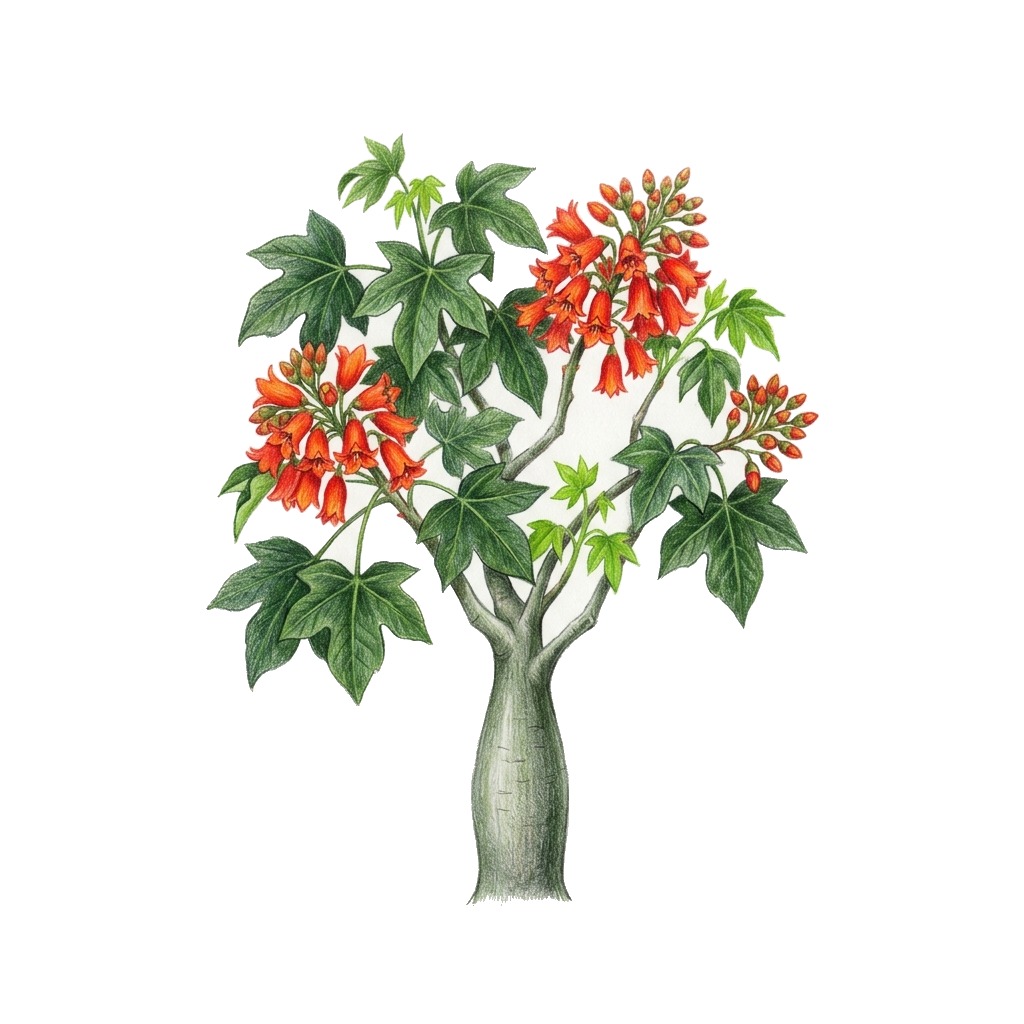
A stunning Australian deciduous tree famous for its brilliant display of bell-shaped scarlet flowers. The tree often sheds its leaves completely before blooming, creating a fiery visual impact.
Careys step up to RHS Chelsea’s Main Avenue with biggest garden yet
A group of award-winning gardeners is creating their largest display so far for a major flower show to highlight how plants are shared around the world.
Scientists tested a new protective fabric designed to shelter strawberry crops. The material blocks harmful insects while letting light, rain, and air flow through to the plants. Tests showed the cover increased fruit yield while reducing the need for chemical sprays.
Plant collector and professor John Fairey was born on 17 November 1930. He established a well-known conservation garden in Texas to preserve rare plant species. He made over one hundred expeditions to collect seeds and cuttings from threatened wild plants.