Daily gardening tip · Southern hemisphere · Wednesday 4 November 2026
Check Hedges for Hidden Climbing Weeds
Climbing weeds often hide inside dense hedges, wrapping around stems and smothering growth if left unchecked.
15 minuteseasyweeds
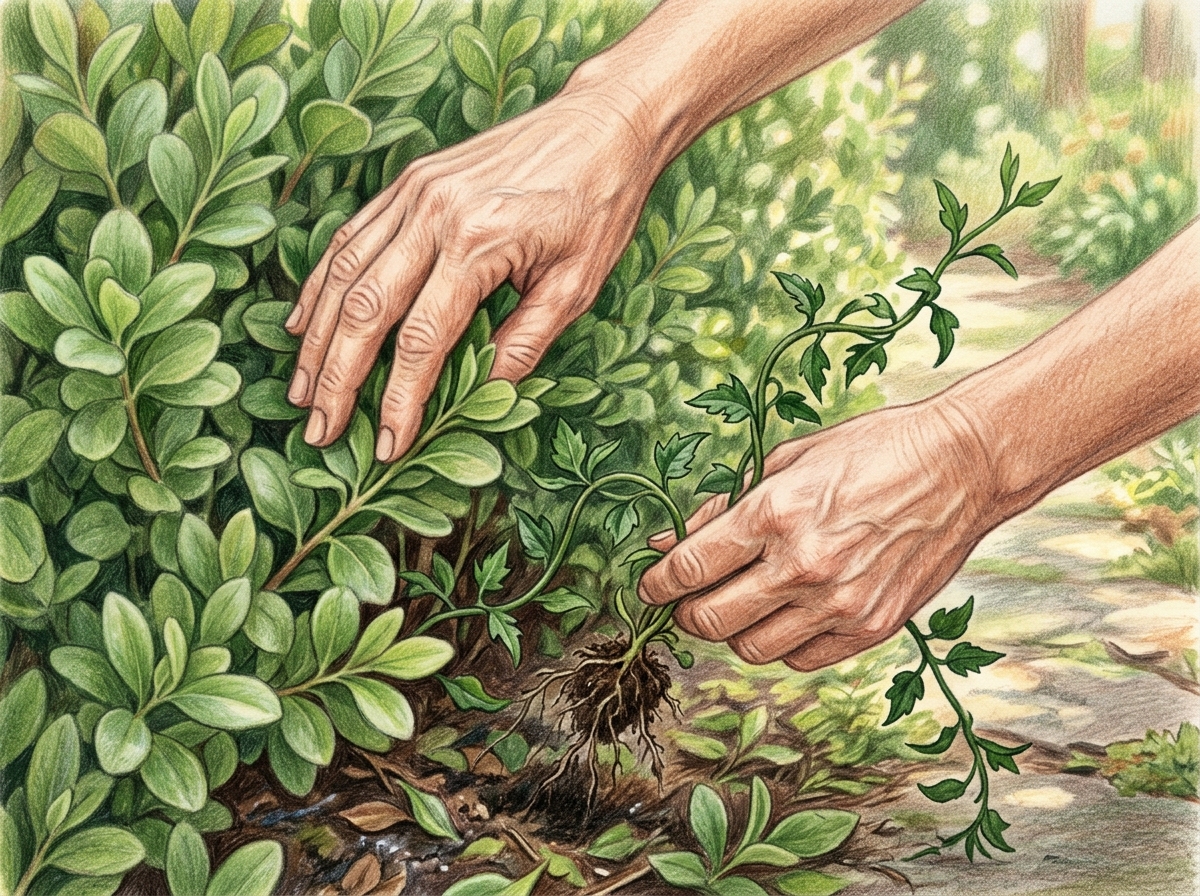
Walk along your hedge line and push aside lower foliage to inspect the base of the stems.
Look for thin twining vines, such as bindweed, wrapping around the main branches.
Follow each vine down to where its roots enter the soil.
Grasp the weed firmly near ground level and pull gently to extract as much root as possible.
Untangle the upper shoots carefully from the hedge branches to avoid snapping off the stems of your hedge plants.
Why it works
Climbing weeds use established shrubs as physical supports to reach sunlight quickly. By tracing the stems to their base and pulling out the roots early, you stop them from choking light and nutrients away from your hedge.
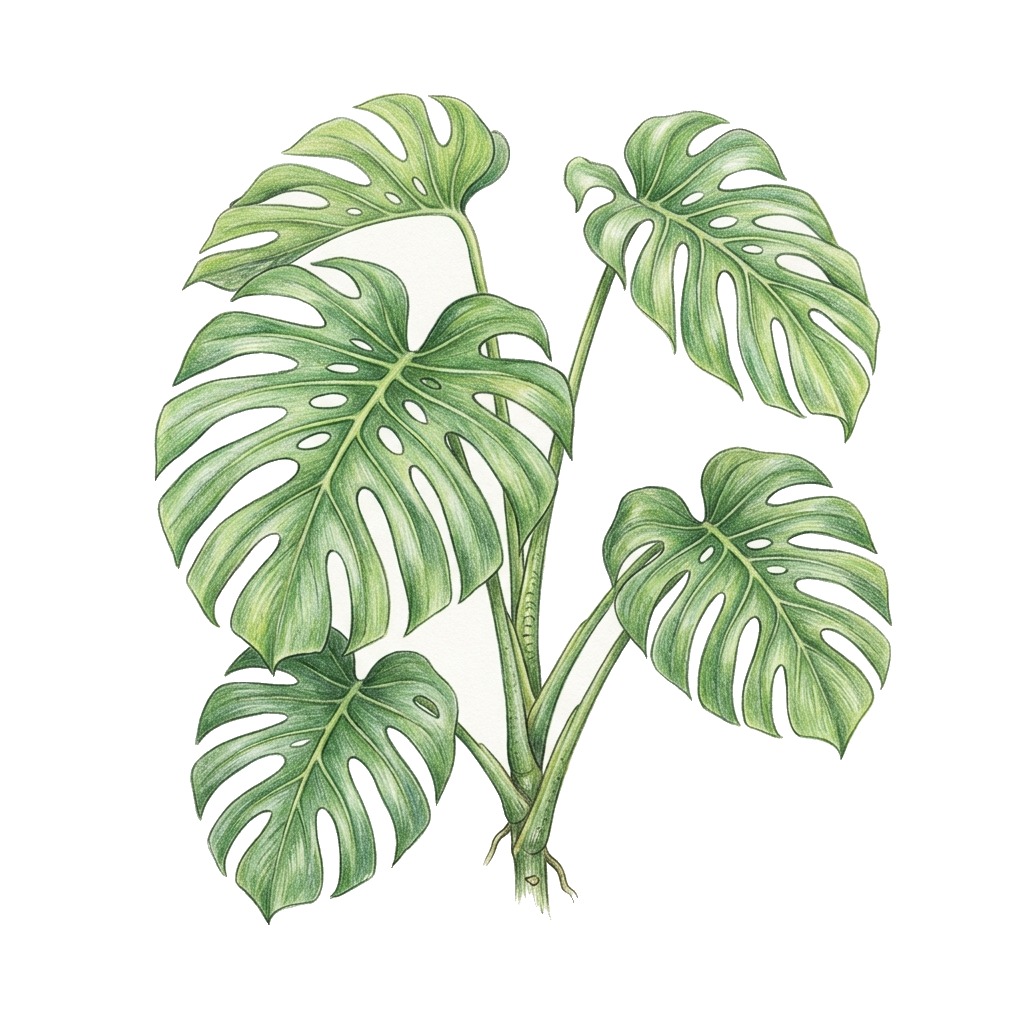
A robust evergreen tropical climber famous for its large, glossy leaves featuring natural cuts and perforations known as fenestrations. Native to the rainforests of Central America, it uses thick aerial roots to climb trees toward the canopy.
Vitax automates Skelmersdale lines after MTC trial
After a test project with a technology organization that received government funding, a company that makes plant food and pest control products is using automated machines across its entire location.
Birth of Norwegian Botanist Helge Ness, Pioneer of Hybrid Oak Trees
Norwegian botanist Helge Ness was born on 4 November 1861 in Rosendal, Norway. He became the first international student to graduate from Texas A&M University and later led the botanical division of the Texas Agricultural Experiment Station. He was the first scientist in the United States to successfully breed hybrid oak trees.