Daily gardening tip · Southern hemisphere · Friday 30 October 2026
Move Sensitive Potted Herbs into Afternoon Shade
As the days grow longer and warmer, sensitive herbs in pots can quickly stress and go to seed prematurely.
10 minuteseasyheat protection
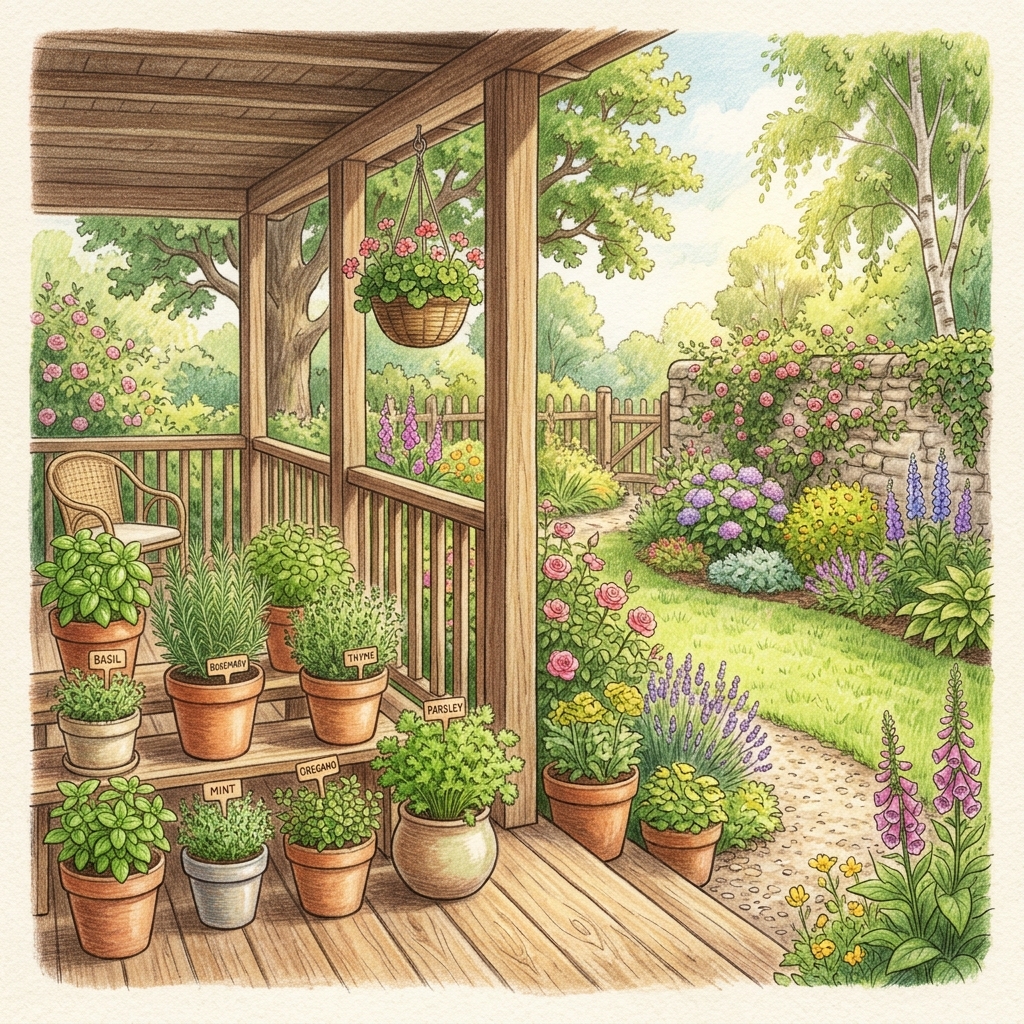
Identify potted herbs sensitive to high heat, such as coriander, dill, and chervil.
Check their current position during the early afternoon to see if they receive direct midday sun.
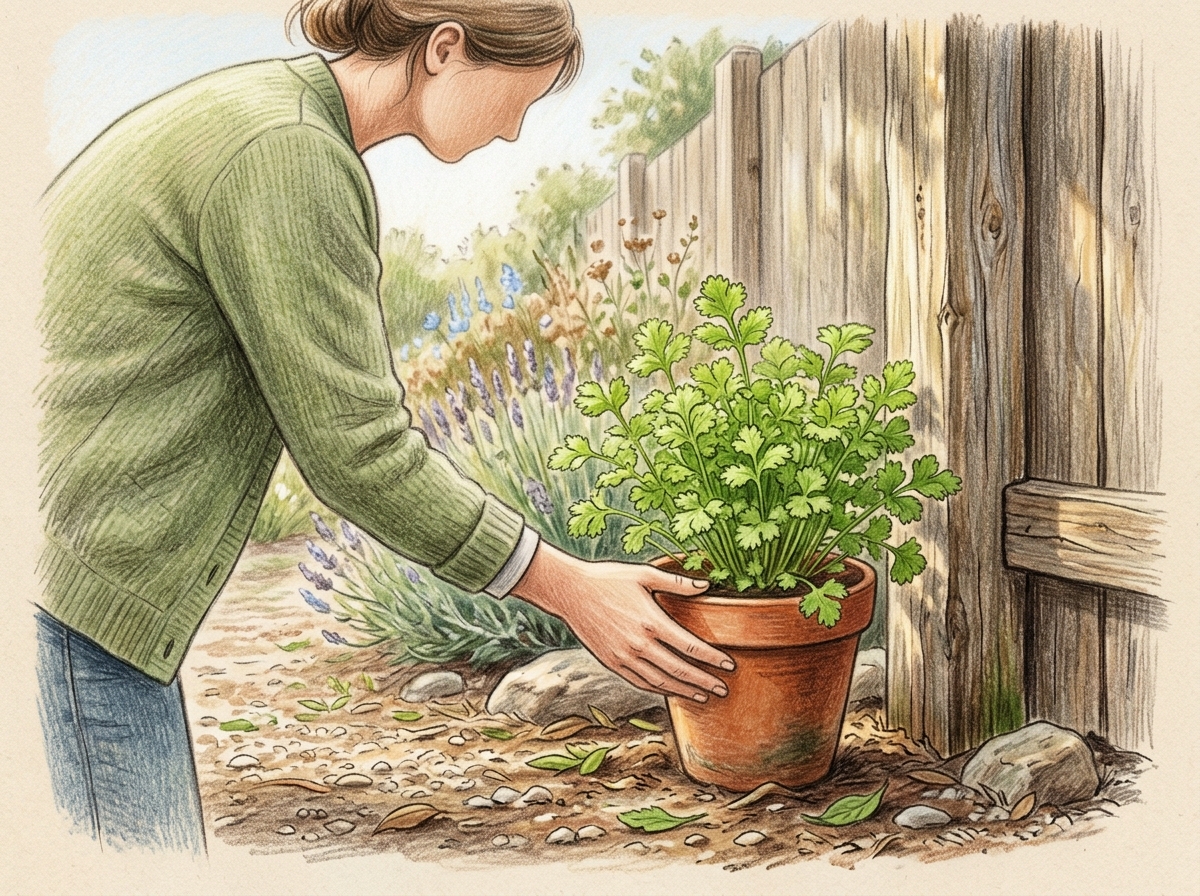
Lift and relocate the pots to a spot that receives morning sunlight but shaded protection from the harsh afternoon heat.
Water the soil thoroughly after moving to help the roots settle in their cooler spot.
Why it works
Strong heat and excessive direct sunlight trigger sensitive herbs to bloom and set seed early, a process known as bolting. Once a plant bolts, its leaf production stops and its flavour turns bitter. Shading these plants from afternoon sun keeps the soil cooler, encouraging them to keep producing tender, tasty foliage over the coming weeks.
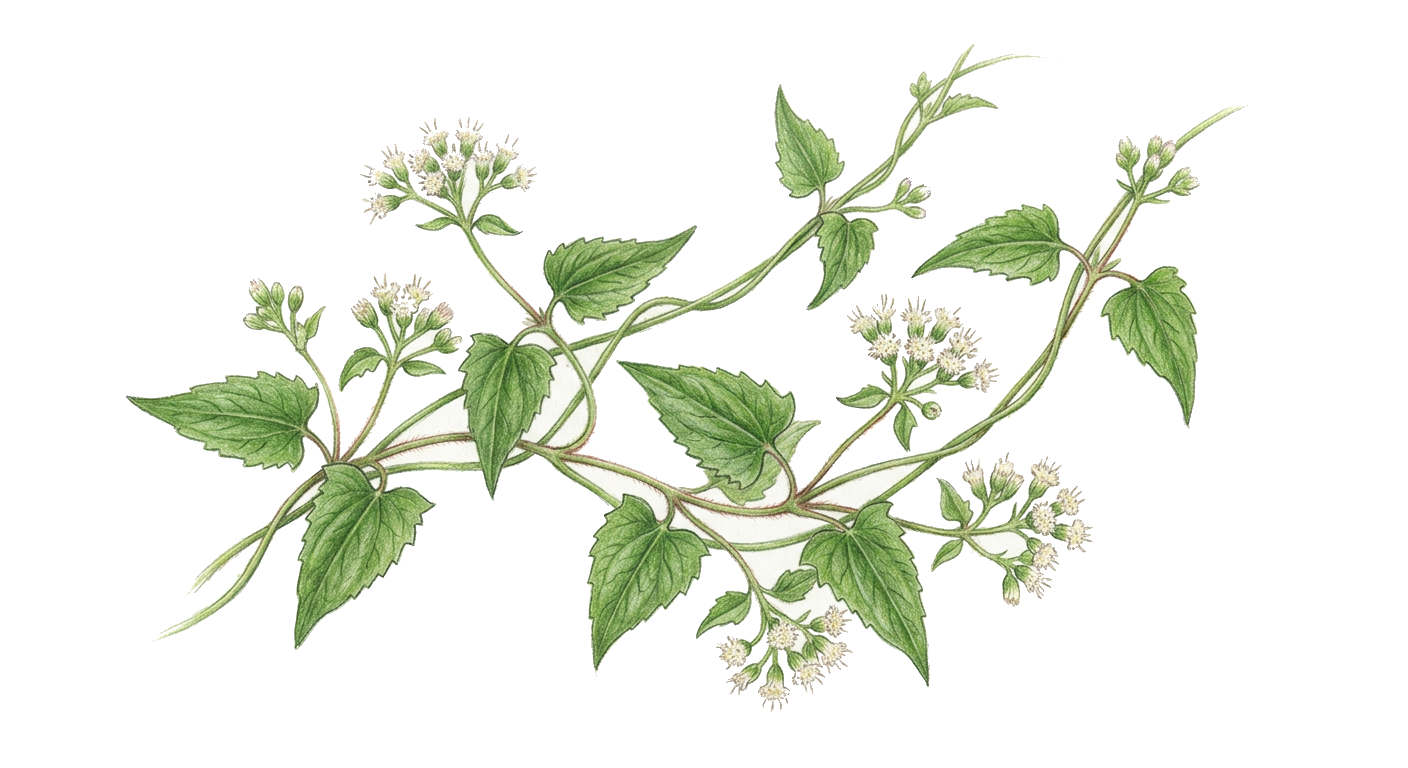
A native perennial vine in the Asteraceae family found in moist habitats of eastern North America. It is a twining climber with heart-shaped leaves and dense clusters of white to pink flowers.
AI and 3D-printed robots speed up plant pest testing
Researchers at the University of Cambridge developed 3D-printed robots and AI models to study plant-parasitic nematodes. The automated system screens up to 1,000 plants per hour, up from a previous limit of 90 plants per day. This technology helps scientists quickly identify genetic traits that protect crops against root damage.
On 30 October 1826, French botanist Henri Dutrochet presented his discovery of osmosis to the Paris Academy of Sciences. He explained how plant cells absorb water through their membranes instead of taking it in directly. He also demonstrated that chlorophyll is essential for plants to process carbon dioxide.