Daily gardening tip · Southern hemisphere · Tuesday 1 September 2026 · early spring
How Deep to Plant Seeds
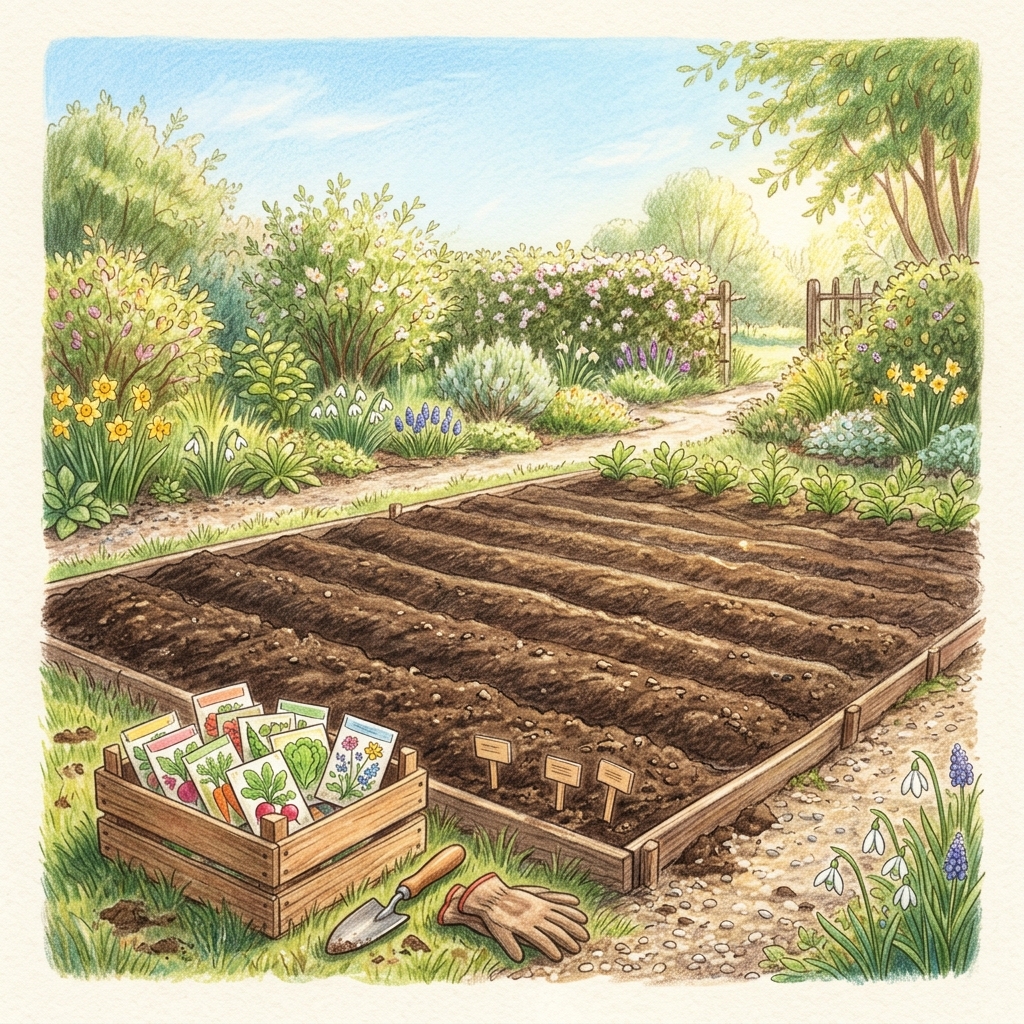
Planting your spring seeds at the correct depth ensures they have enough energy to reach the surface and grow into healthy plants.
10 minuteseasyseeds sowing
Look closely at the seed you want to sow.
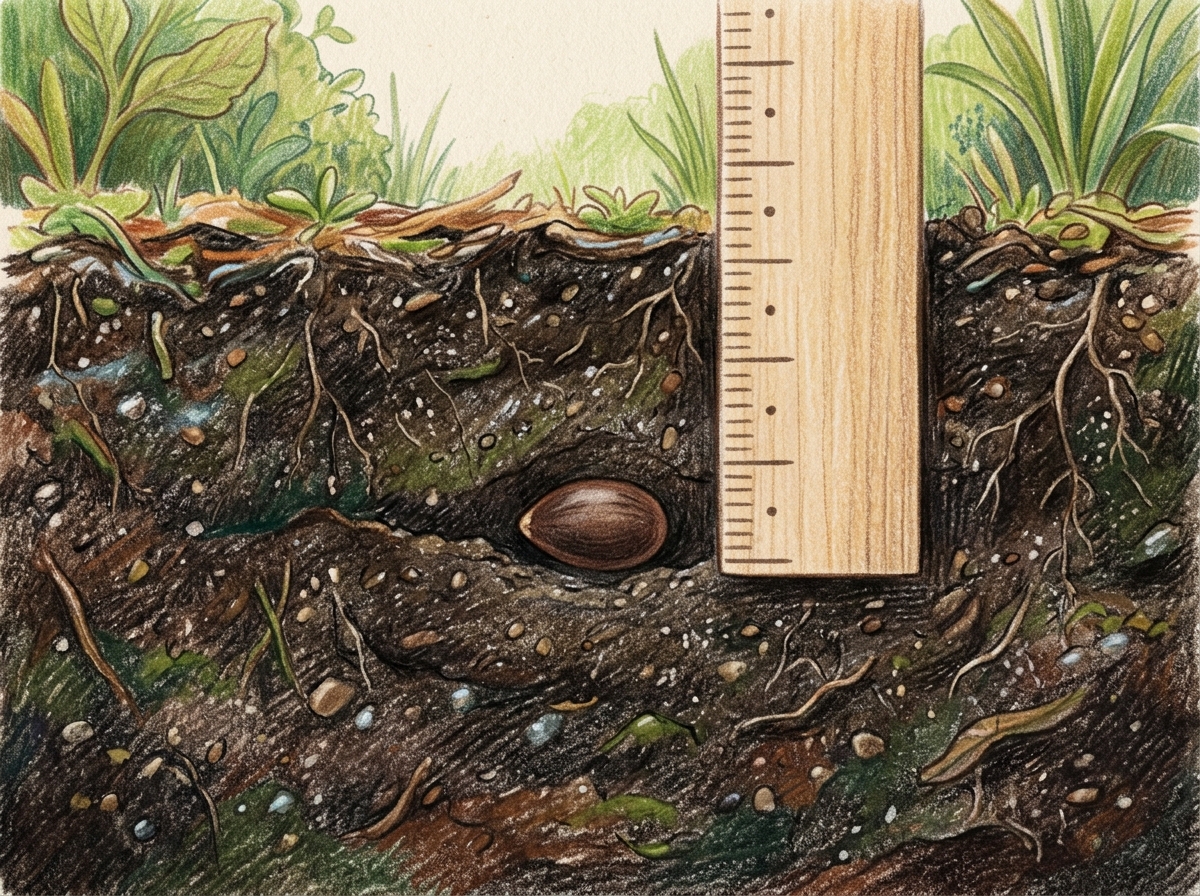
Estimate the width of the seed at its widest point.
Make a hole or trench in your moist soil that is twice as deep as that seed width.
Drop the seed into the hole and cover it gently with loose soil.
Press the soil down lightly with your fingers to ensure it touches the seed.
Water the soil gently using a fine mist so you do not wash the seed away.
Why it works
Seeds contain a limited amount of stored energy to help them germinate and push through the soil. If you plant them too deep, they will run out of energy and die before they reach the sunlight. Sowing them at twice their width protects them from drying out while keeping the journey to the surface short and easy.
Abandoned farmland recovers into wildflower meadow without artificial seeding
A long-term study showed that an unused agricultural field transformed into a rich wildflower meadow in just over a decade. Researchers found that plant diversity doubled and thousands of orchids appeared naturally without commercial seed mixes. The findings suggest that letting nature regenerate on its own can effectively restore biodiversity.
Plant physiologist Benjamin Minge Duggar was born on 1 September 1872
American botanist Benjamin Minge Duggar was born on 1 September 1872 in Alabama. He conducted pioneering research on plant diseases, mushroom cultivation, and fungal physiology. He later used his botanical expertise to discover Aureomycin, the first tetracycline antibiotic.