Daily gardening tip · Southern hemisphere · Thursday 20 August 2026 · late winter
Vent your winter plant covers
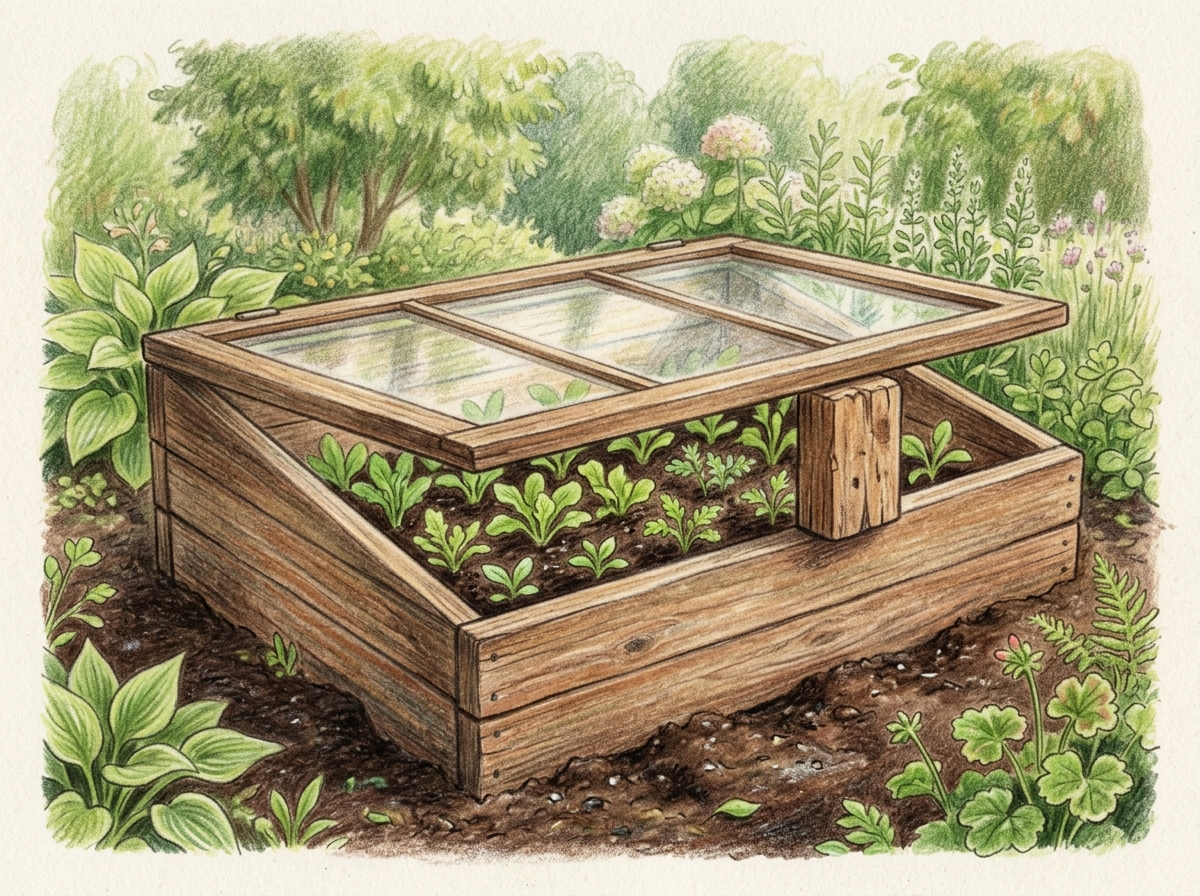
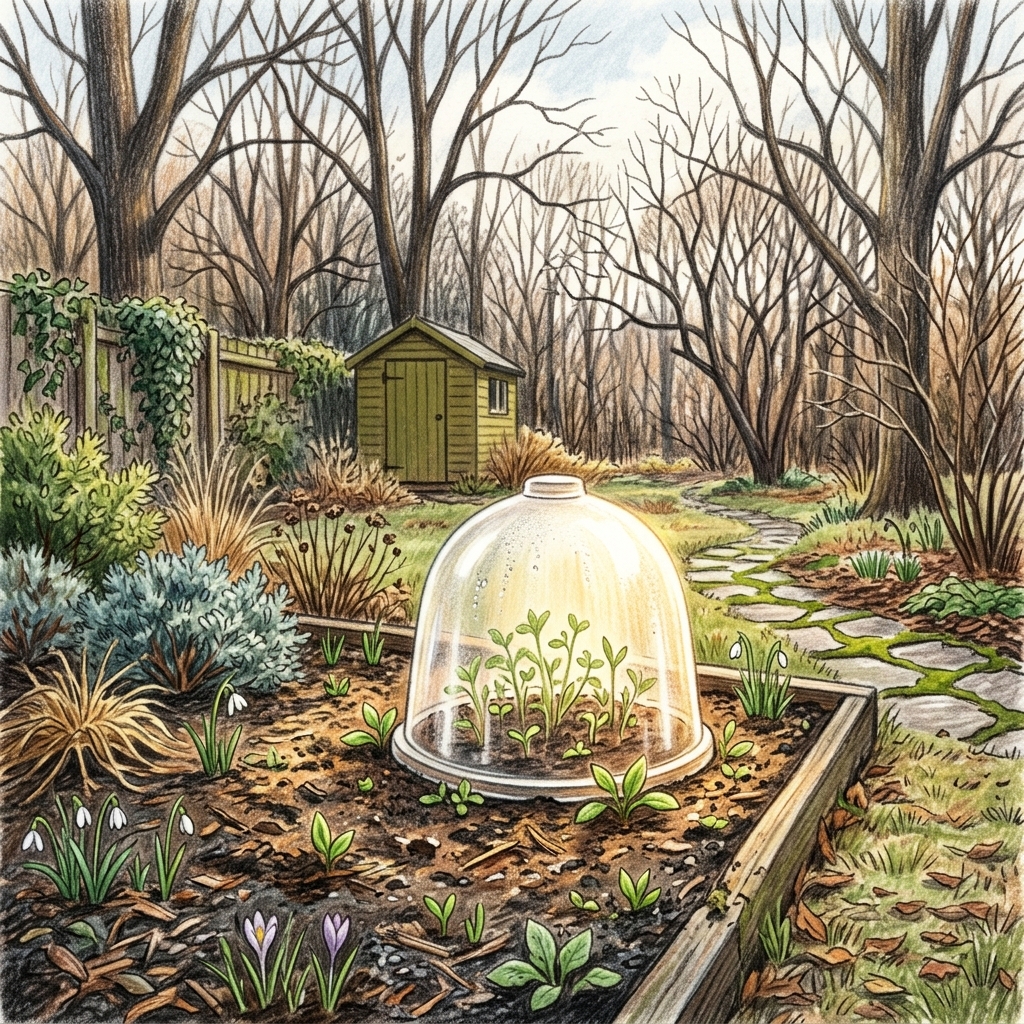
As the late winter sun grows stronger, closed plastic covers and cold frames can trap intense heat and damage your young plants.
5 minuteseasyheat protection
Walk through your garden in the mid-morning to locate any covered plants.
Prop open the lids of cold frames or lift the edges of plastic cloches.
Leave a gap of at least two inches to allow trapped hot air to escape.
Check that the soil under the covers is still damp, watering lightly if it feels dry.
Close the covers completely in the late afternoon to trap warmth for the cold night.
Why it works
Clear glass and plastic covers trap solar radiation, creating a greenhouse effect. On sunny late winter days, the temperature inside an unvented cover can quickly rise to levels that wilt or scorch tender plants, even if the outside air still feels cool.
Gardening news
Gardening news
Form Plants introduces peat-free requirement for suppliers
Starting in September 2026, a plant nursery named Form Plants will require all of its outside suppliers to provide plants grown without peat, matching the way the nursery already grows its own plants.
Scientists map the zoysia grass genome to help breed drought-tolerant lawns
Scientists at Texas A&M AgriLife Research have decoded the full genetic map of zoysia grass. This warm-season grass naturally tolerates heat and drought, but its complicated genes made plant breeding difficult. The new genetic blueprint helps researchers identify traits that can lead to tougher, low-water garden lawns.
Botanist David Moore records the first verified case of potato blight in Ireland
On 20 August 1845, botanist David Moore observed potato blight at the Glasnevin Botanic Gardens in Dublin. This was the first verified record of the destructive plant disease in Ireland. Moore later showed that a microscopic fungus caused the rot, disproving the popular theory that bad weather was responsible.