Daily gardening tip · Northern hemisphere · Friday 27 November 2026
Record Weak Crops for Better Crop Rotation
Spending a few minutes to log which vegetables struggled makes it simple to move them to healthier soil next year.
5 minuteseasyplanning
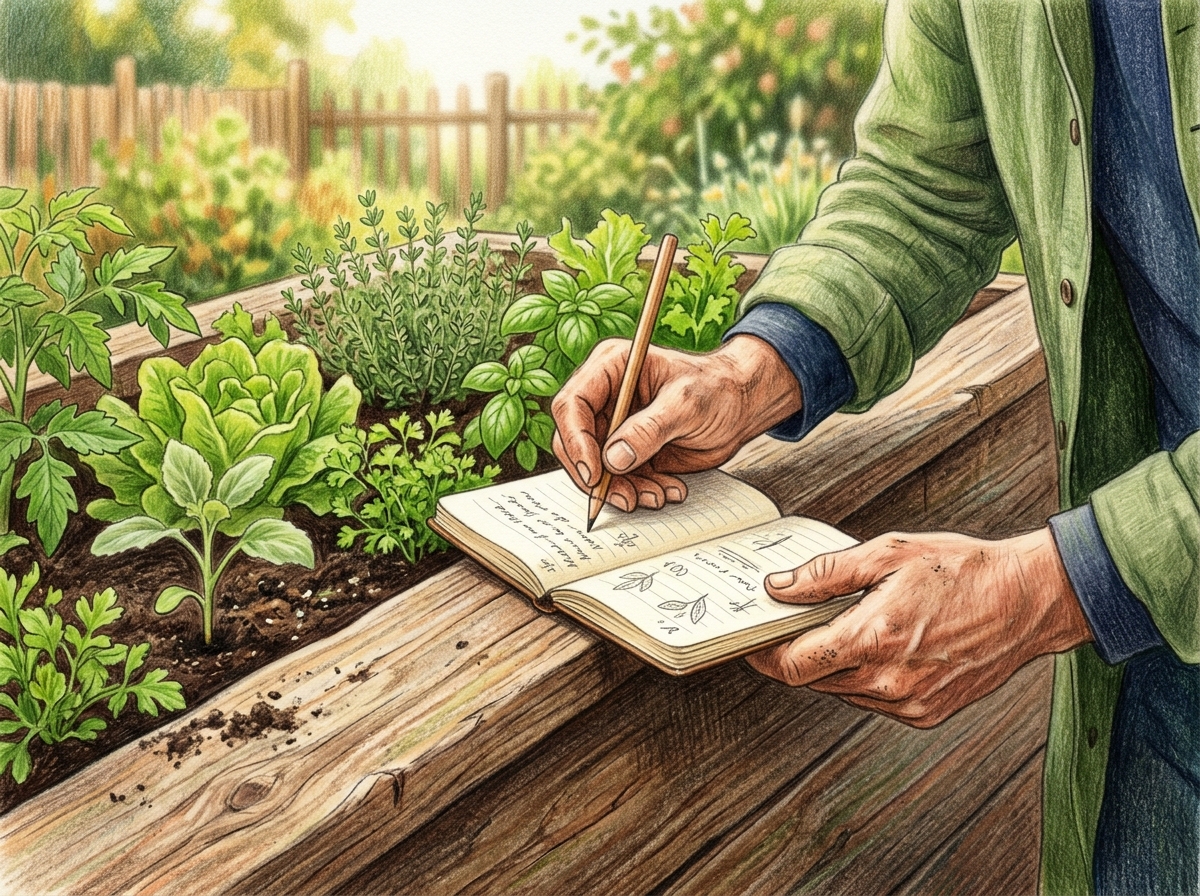
Take a notebook or digital device into your vegetable plot.
Identify any crops that suffered from soil-borne diseases, stunted growth, or heavy pest damage this year.
Write down the exact bed or container location where those poor performers grew.
Note the plant family of each weak crop, such as tomatoes and peppers or brassicas like broccoli and cabbage.
Store this list with your seed packets to review when you plan new planting locations next year.
Why it works
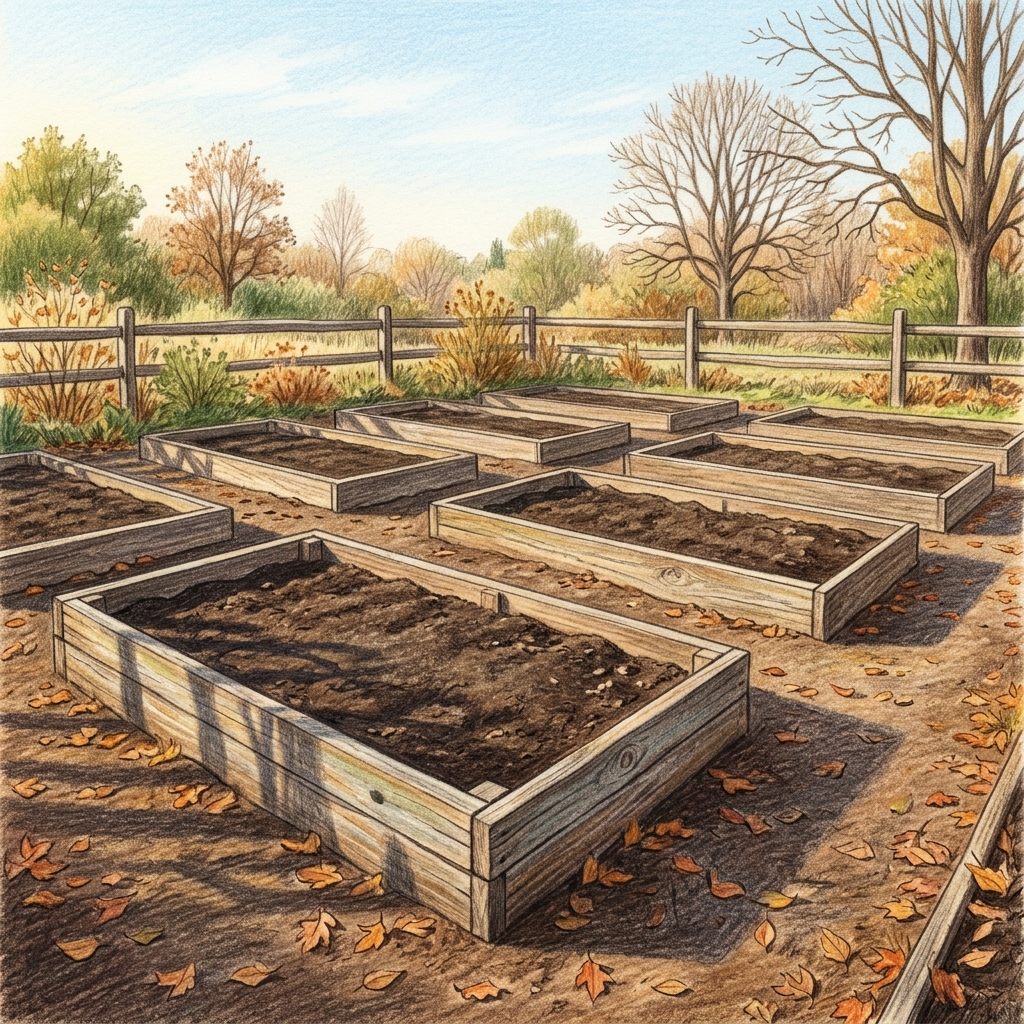
Soil-borne pests and diseases often target specific plant families and build up in the ground over time. Moving vulnerable crops to fresh soil breaks these disease cycles and helps prevent nutrients from becoming depleted in one spot.
A striking tropical perennial characterized by large, round leaves decorated with silver and dark green striping. As a member of the Marantaceae family, its foliage naturally folds upward at night
Liz Nicholson, the leader of a top gardening business, spoke in an interview about her decision to give her team ownership of the company instead of selling it to outside investors, as well as the recent challenges and future of the industry.
Tropical Trees Open Leaf Pores at Night to Save Water
Researchers discovered how certain tropical trees survive severe drought by taking in carbon dioxide at night. This allows the trees to keep their pores closed during hot daylight hours and prevent water loss. Scientists found that this water-saving trait evolved through complex genetic reshuffling over millions of years.
Errant Donkeys Released from Indian Prison After Eating Plants
On 27 November 2017, eight donkeys were released after spending four days in a prison complex in Uttar Pradesh, India. The animals were detained after trespassing onto prison grounds and eating expensive plants intended for landscaping. They were freed after their owner petitioned local officials for their release.