Daily gardening tip · Northern hemisphere · Wednesday 25 November 2026
Gravel Mulch for Alpine Plants
Where frosts occur, wet soil resting against delicate plant crowns over the coming weeks can cause them to rot.
15 minuteseasymulching
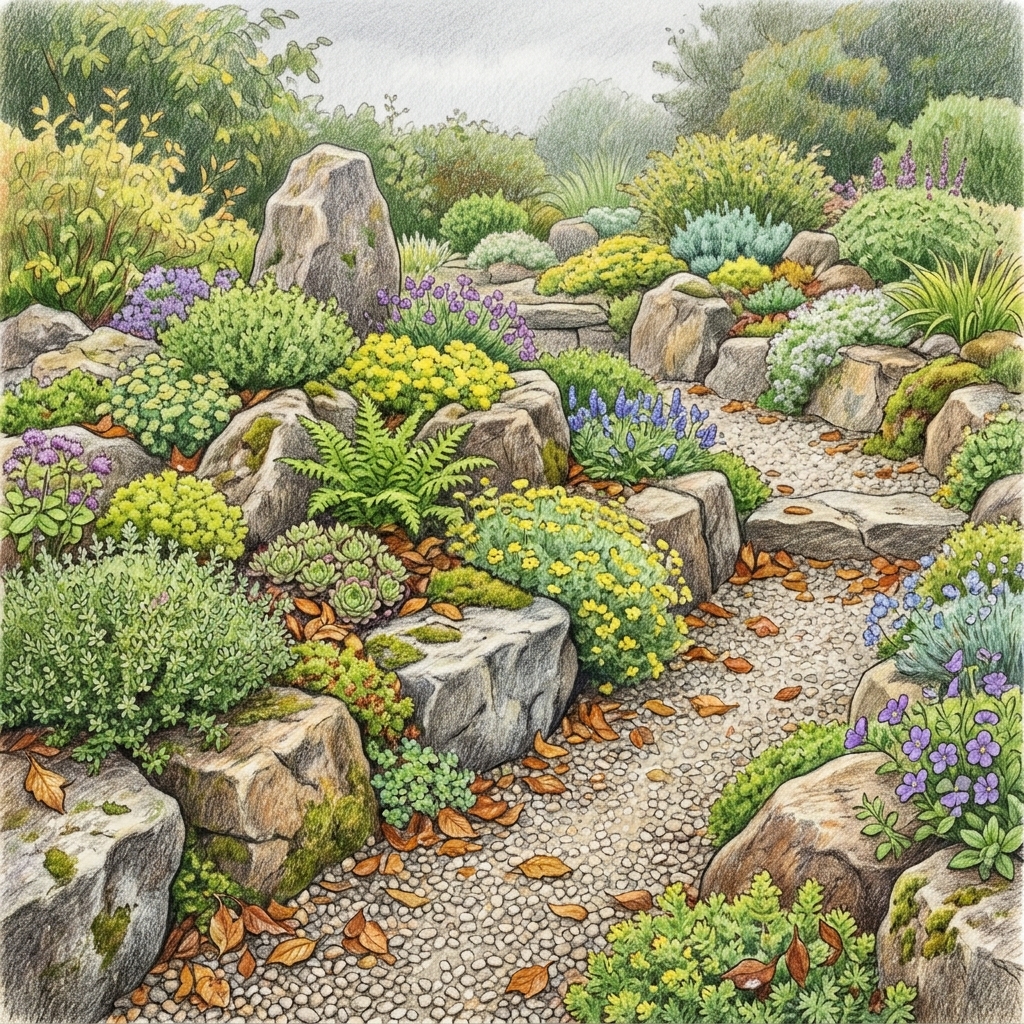
Check alpine plants in your garden bed or rockery to find where the stems meet the soil.
Clear away dead leaves, weeds, or soggy debris from around the base of each plant.
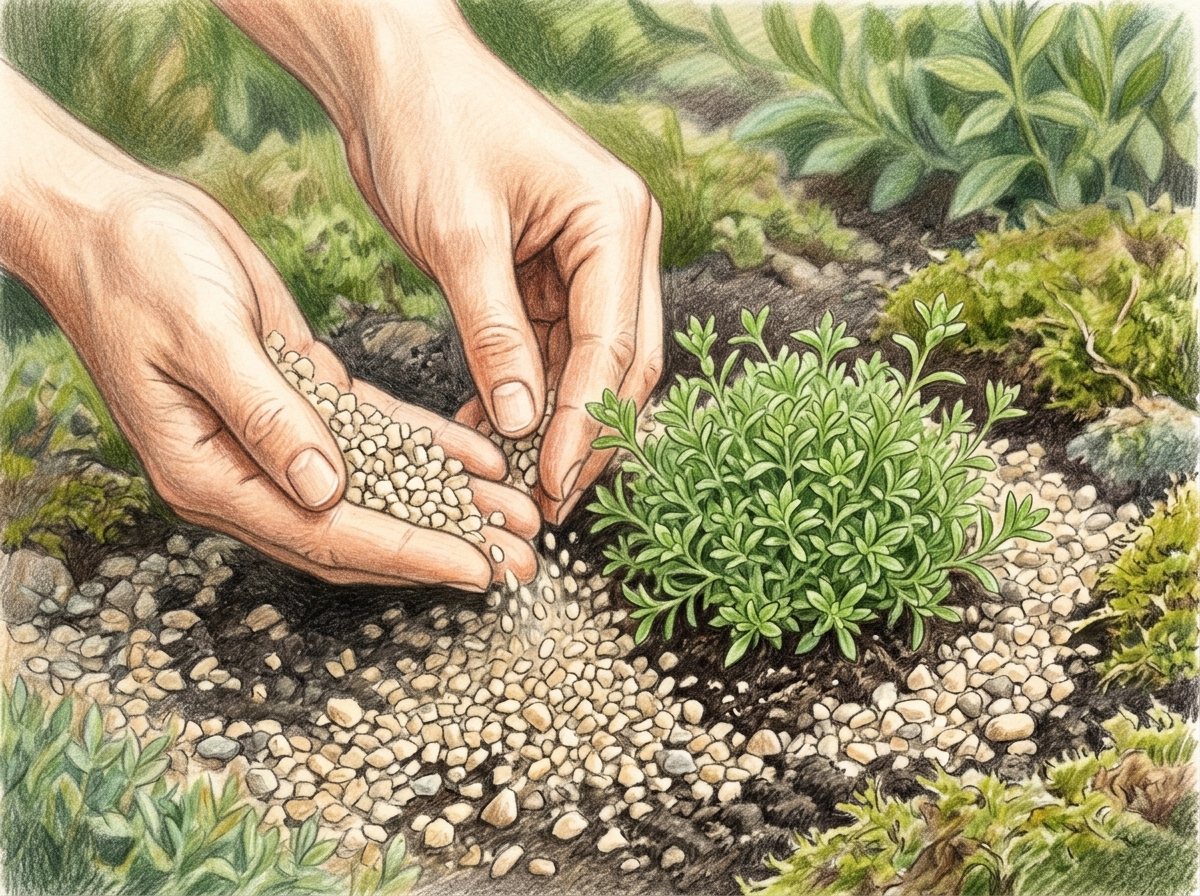
Obtain a handful of coarse gravel or horticultural grit.
Spread a layer of gravel 1 to 2 inches deep directly onto the soil surface around the plant crown.
Tuck the gravel slightly beneath the lower foliage so the leaves rest on stone rather than damp earth.
Why it works
Alpine plants naturally thrive in rocky, well-draining environments. A layer of coarse gravel allows rainwater to drain quickly away from the crown, keeping the foliage and upper stems dry even when the ground below remains moist.
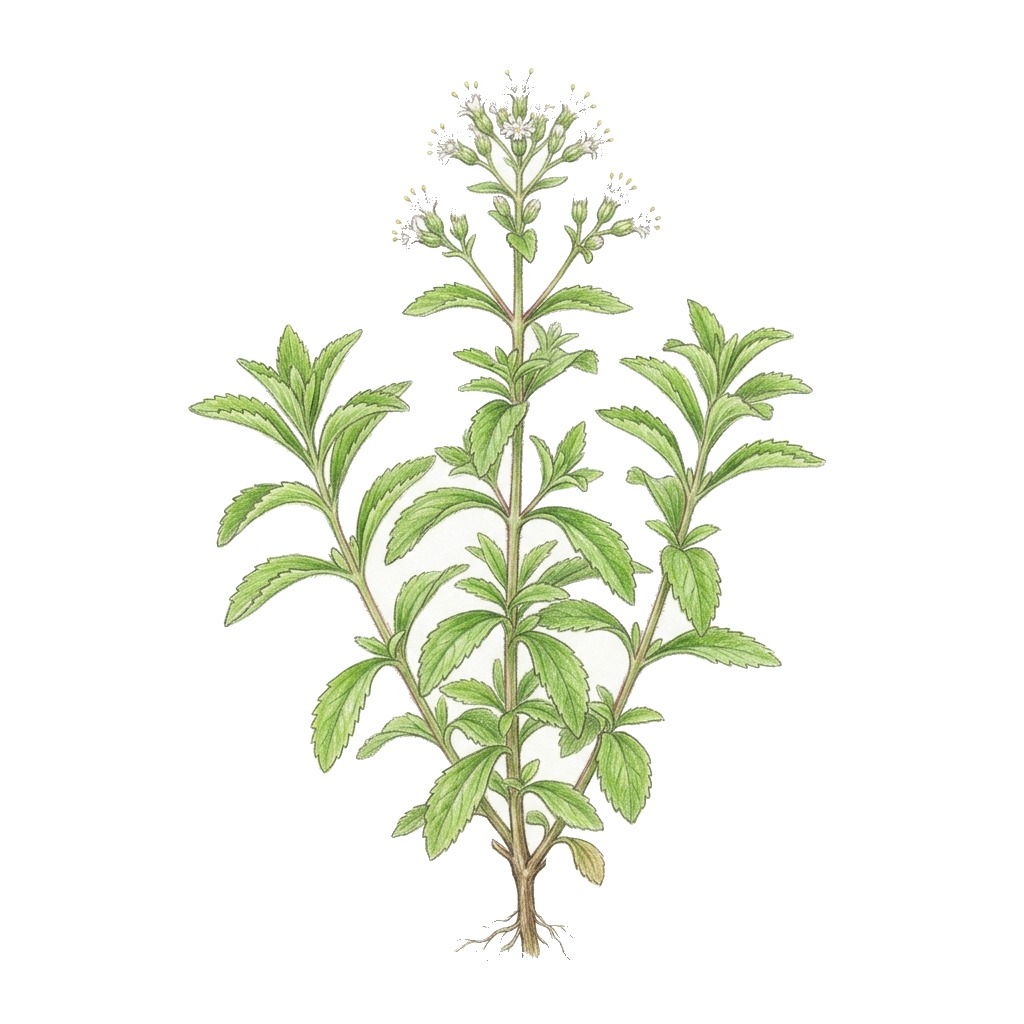
A tender perennial herb famous for its leaves, which contain steviol glycosides and are used as a natural, zero-calorie sweetener. It is native to Paraguay and Brazil.
Knitted fabric covers boost strawberry harvests in field tests
Researchers tested a three-dimensional knitted fabric called Plant Armor on strawberry crops. The material blocks harmful insects while allowing sunlight, rain, and air to reach the plants. In trials, covered plants produced up to three times more fruit than uncovered plants without chemical pesticides.
Botanist Nikolai Vavilov born on November 25, 1887
Russian botanist Nikolai Vavilov was born on this day in 1887. He identified major geographical origin centers for cultivated crops and built a massive global seed collection. His pioneering work laid key foundations for plant genetics and agricultural diversity.