Daily gardening tip · Northern hemisphere · Friday 13 November 2026
Check Stored Dahlia Tubers for Rot
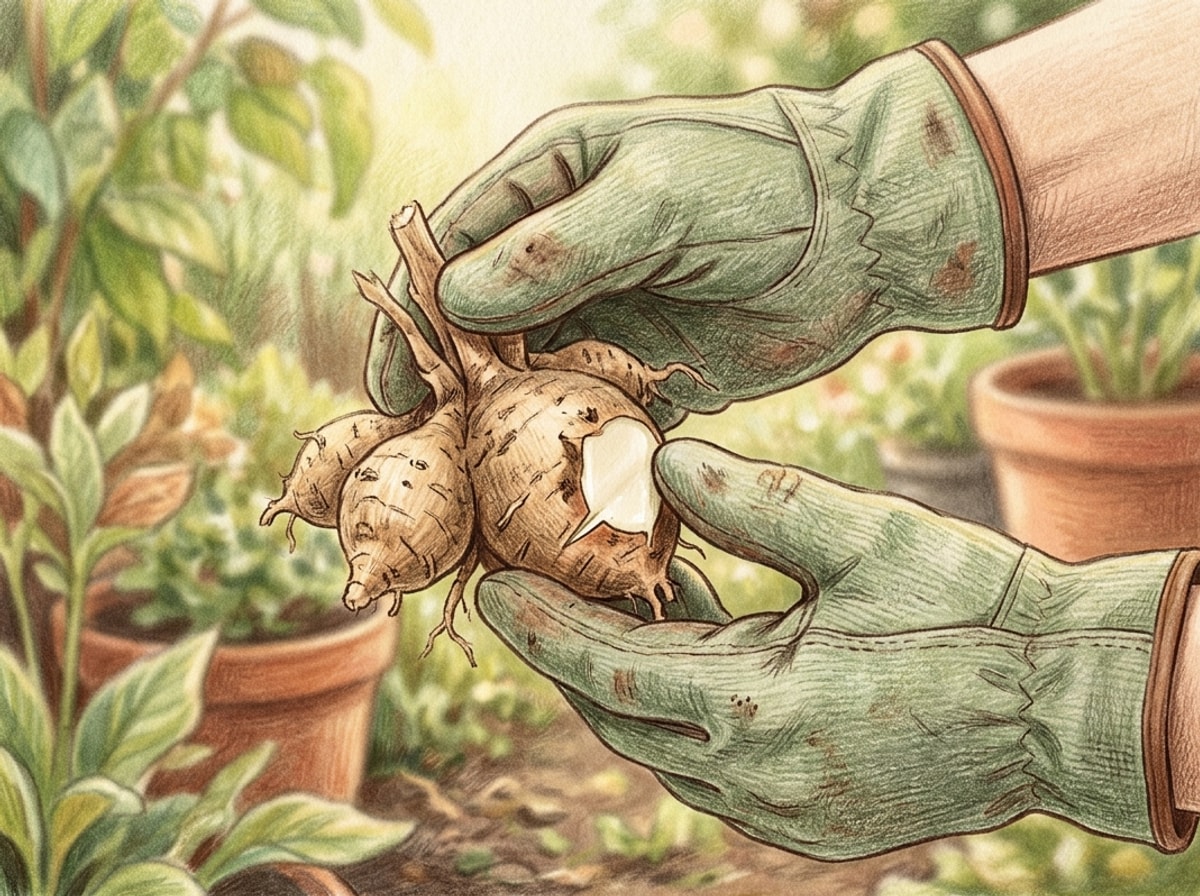
Checking stored dahlia tubers now prevents fungal rot from destroying your entire collection while in storage.
15 minuteseasydiseases
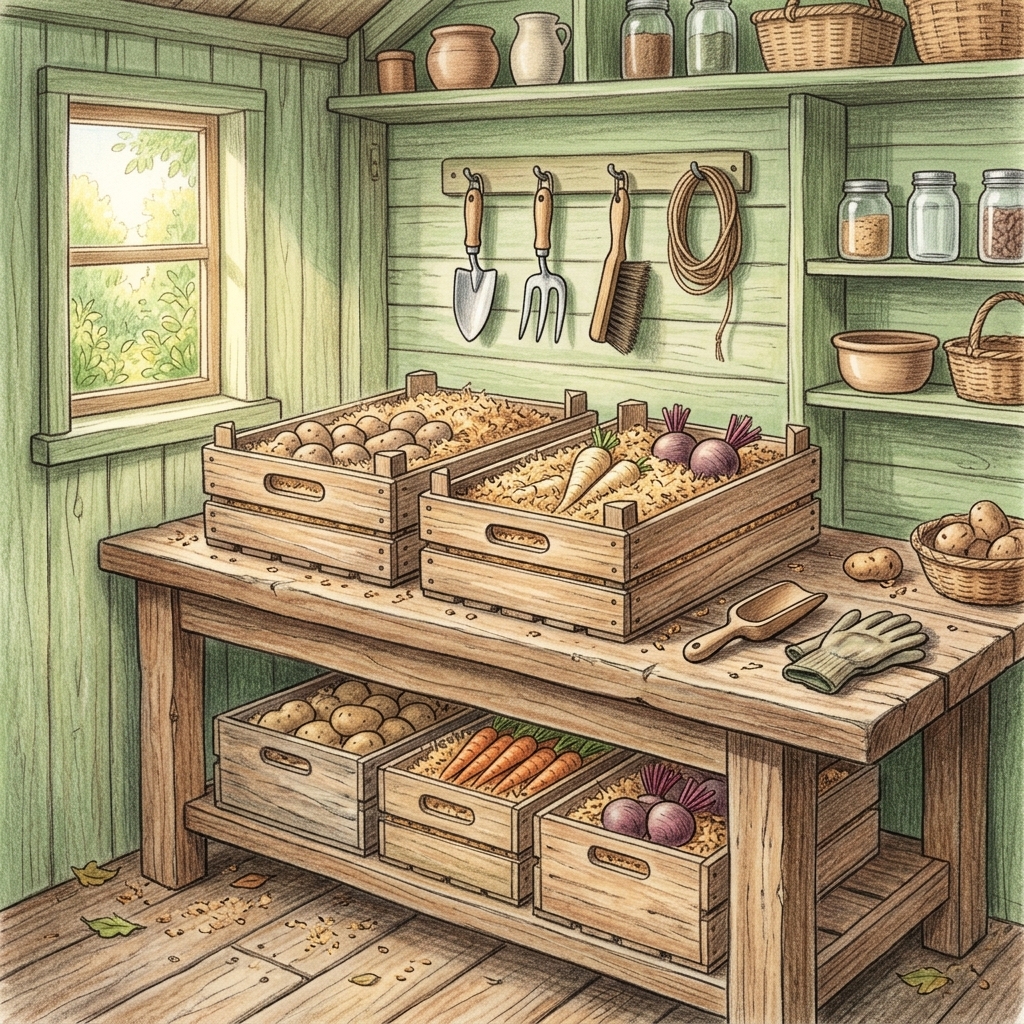
Locate the boxes or crates where you stored your lifted dahlia tubers.
Gently lift each tuber cluster and inspect it closely for soft, dark, or wet patches.
Press firmly on any suspect areas with your thumb to feel for mushy tissue.
Cut away small damaged areas with a clean knife down to healthy white flesh, or discard the whole cluster if rot is widespread.
Dust any fresh cut surfaces with sulfur powder or cinnamon to help them dry.
Return healthy tubers to their dry storage material, ensuring no tubers touch each other directly.
Why it works
Fungal rot spreads quickly in quiet, dark storage conditions through direct contact and airborne spores. Catching soft spots early isolates the infection before it can travel to nearby healthy tubers.
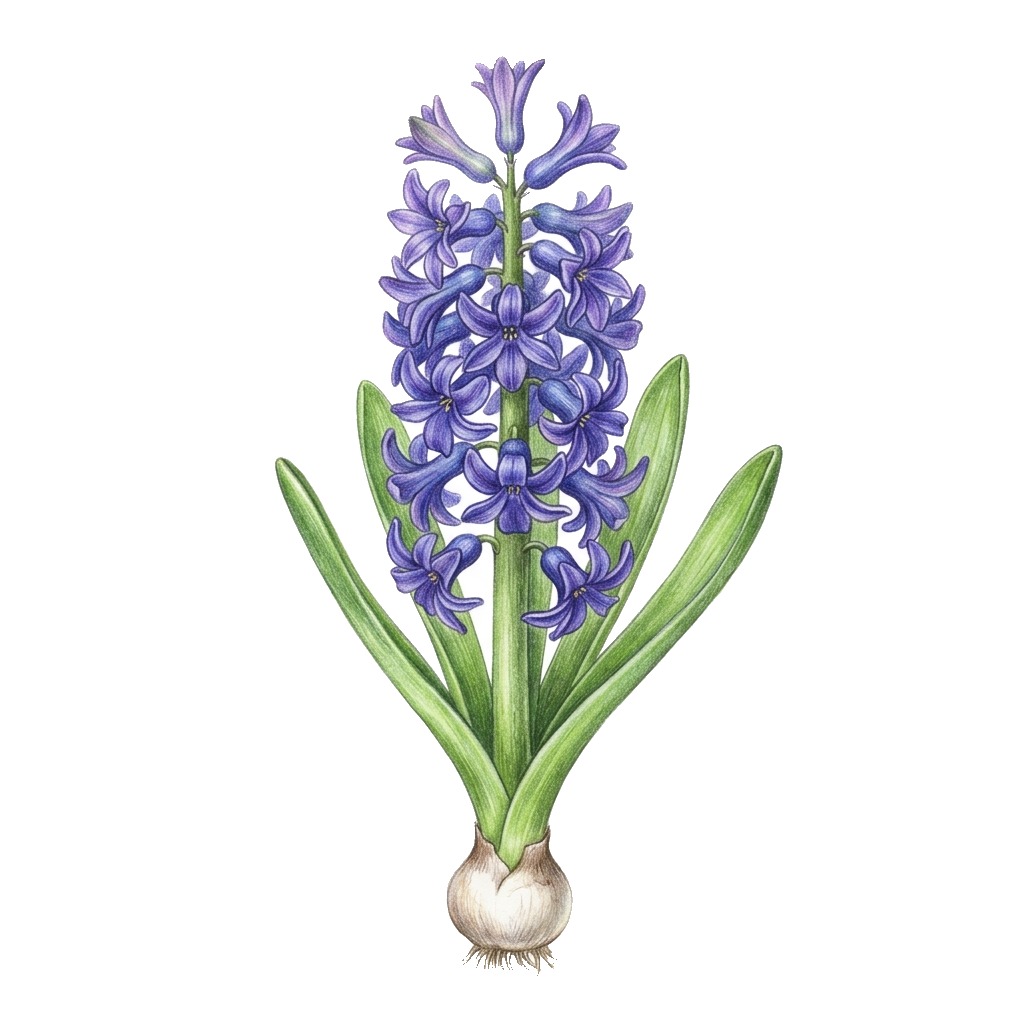
A highly fragrant, spring-flowering bulbous perennial. Each bulb produces a dense spike of bell-shaped flowers in a wide range of colors including blue, pink, and white.
Chris Beardshaw to design Prostate Cancer UK garden for Chelsea 2027
Renowned garden designer Chris Beardshaw will create a garden at the 2027 Chelsea Flower Show inspired by his father's prostate cancer diagnosis, and the display will later be moved to Edinburgh.
Simple Soil Test Helps Track How Microbes Recycle Nutrients
Scientists developed a lower-cost laboratory method to measure organic phosphorus bound to soil microbes. This form of phosphorus cycles quickly through living organisms to help feed plants. The easier testing process makes it simpler to study natural soil fertility and improve agricultural management.
South Africa Opened the Shangri-La Nature Reserve in 1955
On 13 November 1955, the Shangri-La Nature Reserve was officially opened in Betty's Bay, South Africa. Founder Harold Porter had purchased the land to protect indigenous coastal plants and native habitat. The site was later transferred to the state and renamed the Harold Porter National Botanical Garden.