Daily gardening tip · Northern hemisphere · Sunday 27 September 2026 · early autumn
Clean Lawnmower Blades Before Autumn Storage
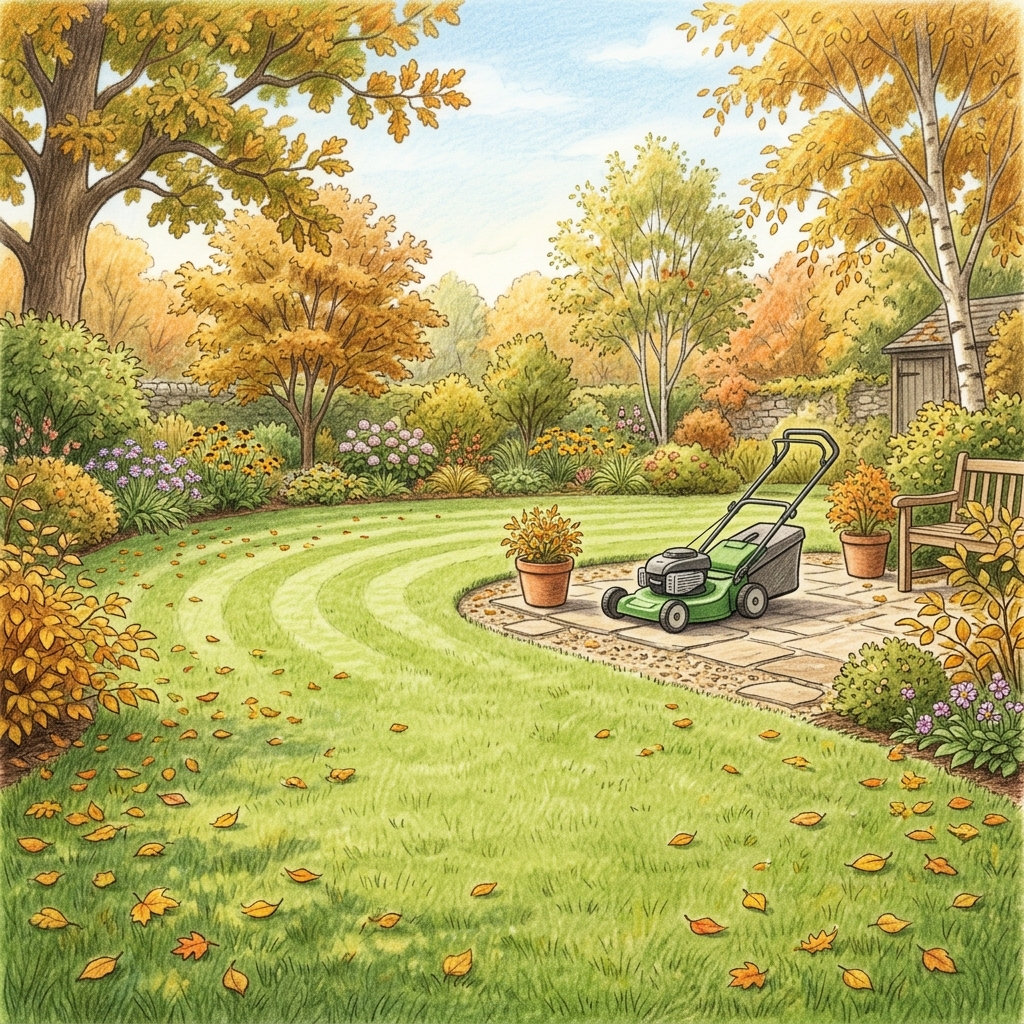
As grass growth slows down in early autumn, storing your lawnmower with wet clippings caked on the blades will ruin the metal before spring.
15 minuteseasytools
Disconnect the spark plug or remove the battery to make sure the mower cannot start.
Tilt the mower safely according to your manufacturer manual, keeping the air filter pointing upward.
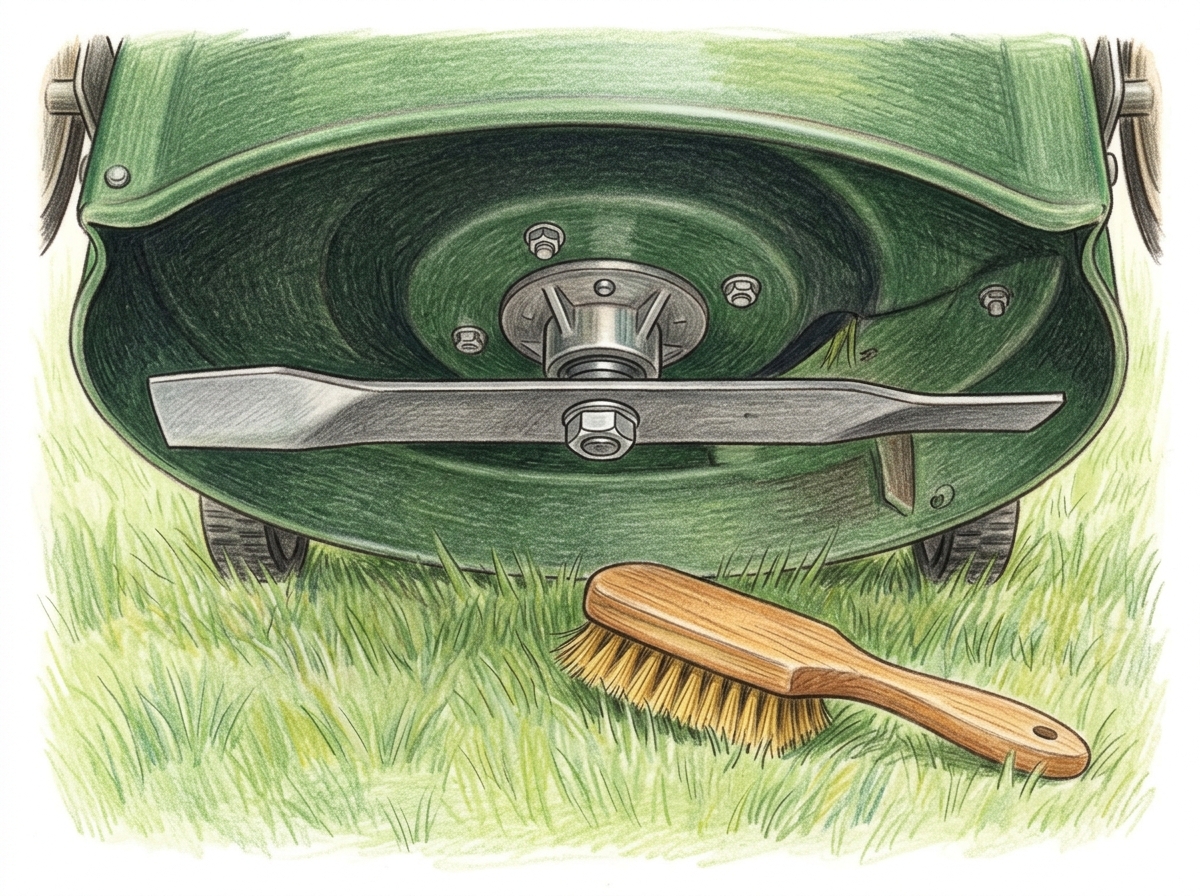
Use a stiff plastic scraper or a wire brush to scrape off all the dried, caked-on grass from the blade and the underside of the deck.
Wipe the metal clean with a dry rag.
Spray or wipe a thin coat of general-purpose maintenance oil onto the blades to block out moisture.
Why it works
Wet grass clippings trap moisture and contain natural acids that actively corrode steel. Scraping away this debris and coating the metal with oil prevents rust from forming during damp autumn and winter storage, keeping your blades sharp and your mower deck intact.
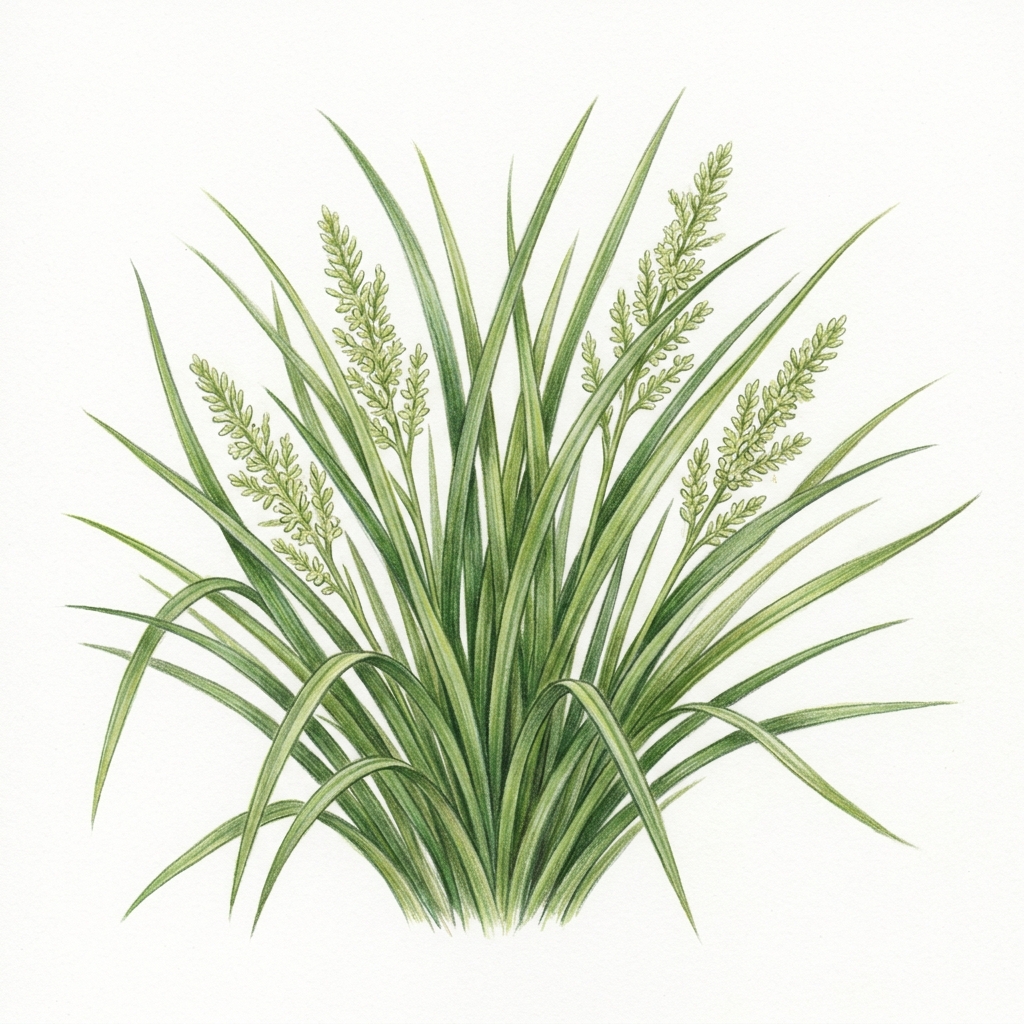
Lomandra longifolia is a robust, evergreen tussock-forming perennial native to eastern Australia. It features long, strap-like, deep green foliage with characteristic notched tips and produces aromatic yellow spiny flower heads held among the leaves
RHS secures £247,000 to protect threatened plants in the South-West
The Royal Horticultural Society has received 247,000 pounds from a heritage fund to collect and save about 1,000 plants from the South-West so they can be protected and studied in the future.
Grazed pastures hold significantly less milkweed for monarch caterpillars
Researchers found that cattle-grazed pastures contain over five times less milkweed than ungrazed or bison-grazed sites. Livestock trample and consume milkweed despite its toxic defenses. Managing grasslands without heavy cattle grazing could help protect monarch butterfly populations.
Johann Wolfgang von Goethe visited the Botanical Garden of Padua
On September 27, 1786, writer Johann Wolfgang von Goethe visited the Botanical Garden of Padua in Italy. During his visit, he observed a European fan palm that inspired his ideas on how plants develop. That same palm tree still grows inside the historic garden today.