Daily gardening tip · Northern hemisphere · Monday 7 September 2026 · early autumn
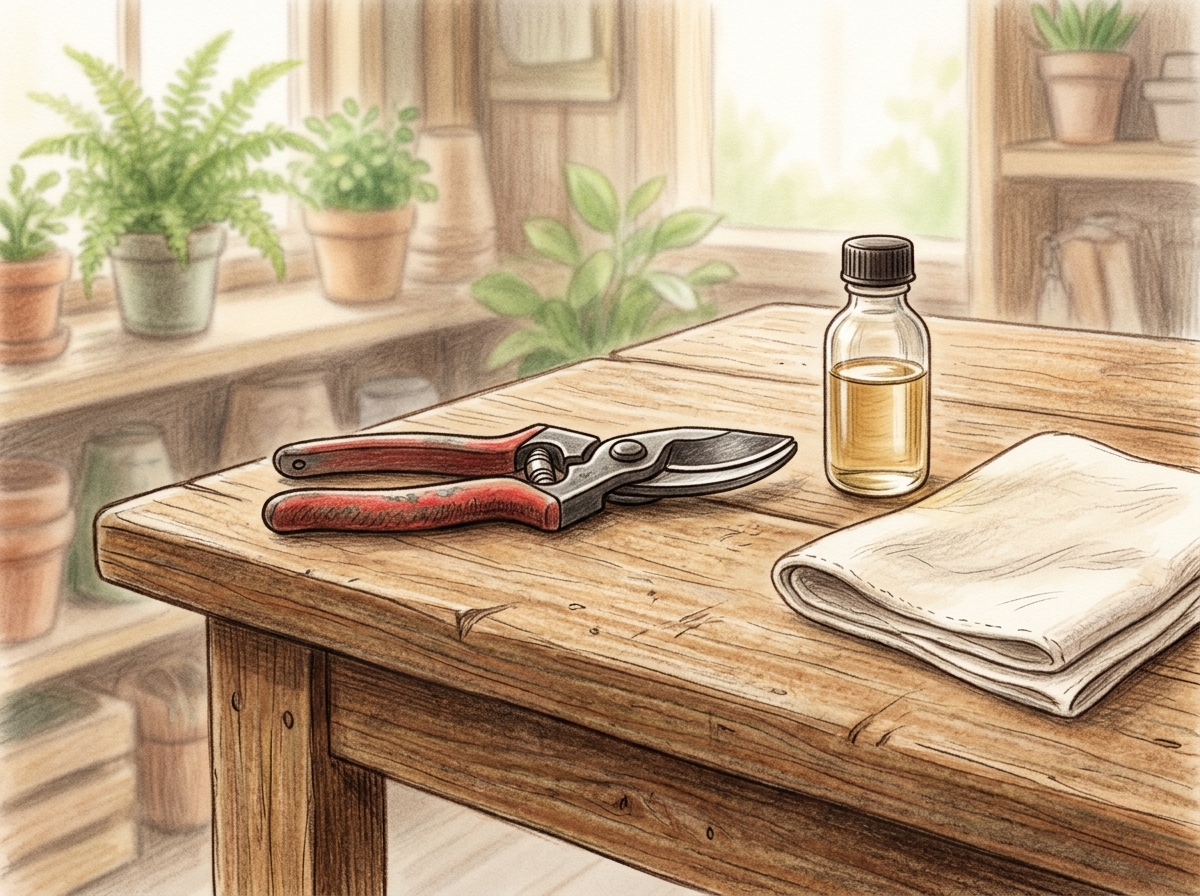
Clean and Oil Your Garden Shears
Preparing your garden shears now ensures they are clean, sharp, and ready for autumn pruning without spreading plant diseases.
5 minuteseasytools
Wipe the blades with a damp cloth to remove loose dirt and plant sap.
Scrub away stubborn grime using a piece of steel wool or a stiff scrub brush.
Dry the shears thoroughly with a clean rag to prevent moisture buildup.
Apply a few drops of mineral oil or household machine oil to the blades and the central pivot joint.
Wipe away any excess oil with a dry cloth so the blades do not attract dirt during your next use.
Why it works
Dirty shears can crush plant stems and introduce harmful fungi into fresh pruning cuts. Regular cleaning removes sticky sap that dulls the blades, while a thin layer of oil seals the metal against moisture to prevent rust during damp autumn weather.
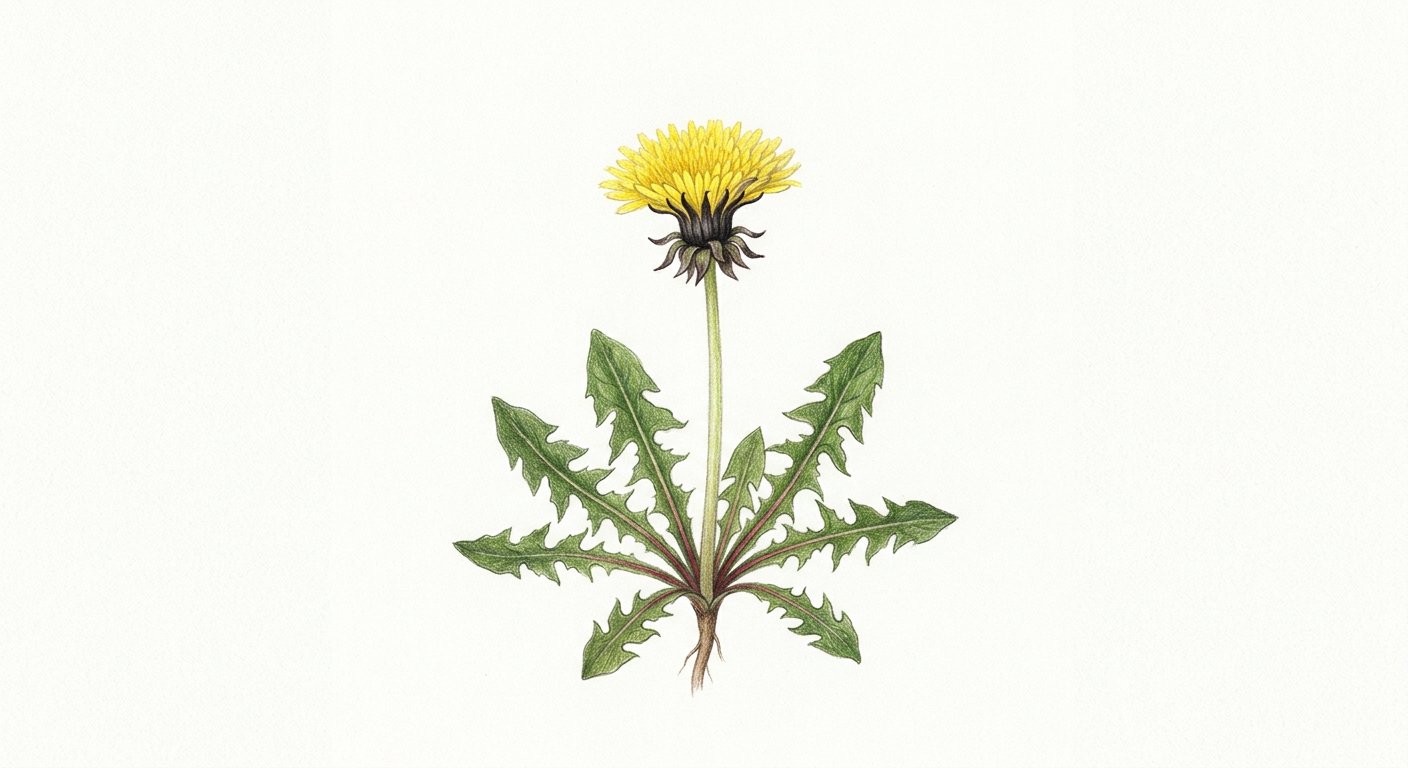
A European dandelion microspecies known for having dark, often purplish-tinged exterior bracts on the flower head. It grows in various grassy habitats and disturbed ground.
The UK gardening industry wants a major change in how the country prepares for dry weather, warning that water limits hurt plant businesses even though they use less than 0.2 percent of the nation's water.
Leaving former farm fields to regenerate naturally can restore wild orchid populations
Scientists monitored a former agricultural field left alone to regenerate naturally without planting added seeds. Over time, thousands of wild orchids emerged and established a thriving species-rich grassland. This finding shows that simple, nature-led restoration can rebuild plant diversity at a lower cost.
French naturalist Georges-Louis Leclerc was born on September 7 in 1707
French naturalist Georges-Louis Leclerc was born on 7 September 1707. As director of the Royal Botanical Gardens in Paris, he produced a monumental 44-volume encyclopedia of natural history. His work emphasized observing real ecological relationships and natural plant communities rather than strict categorization.